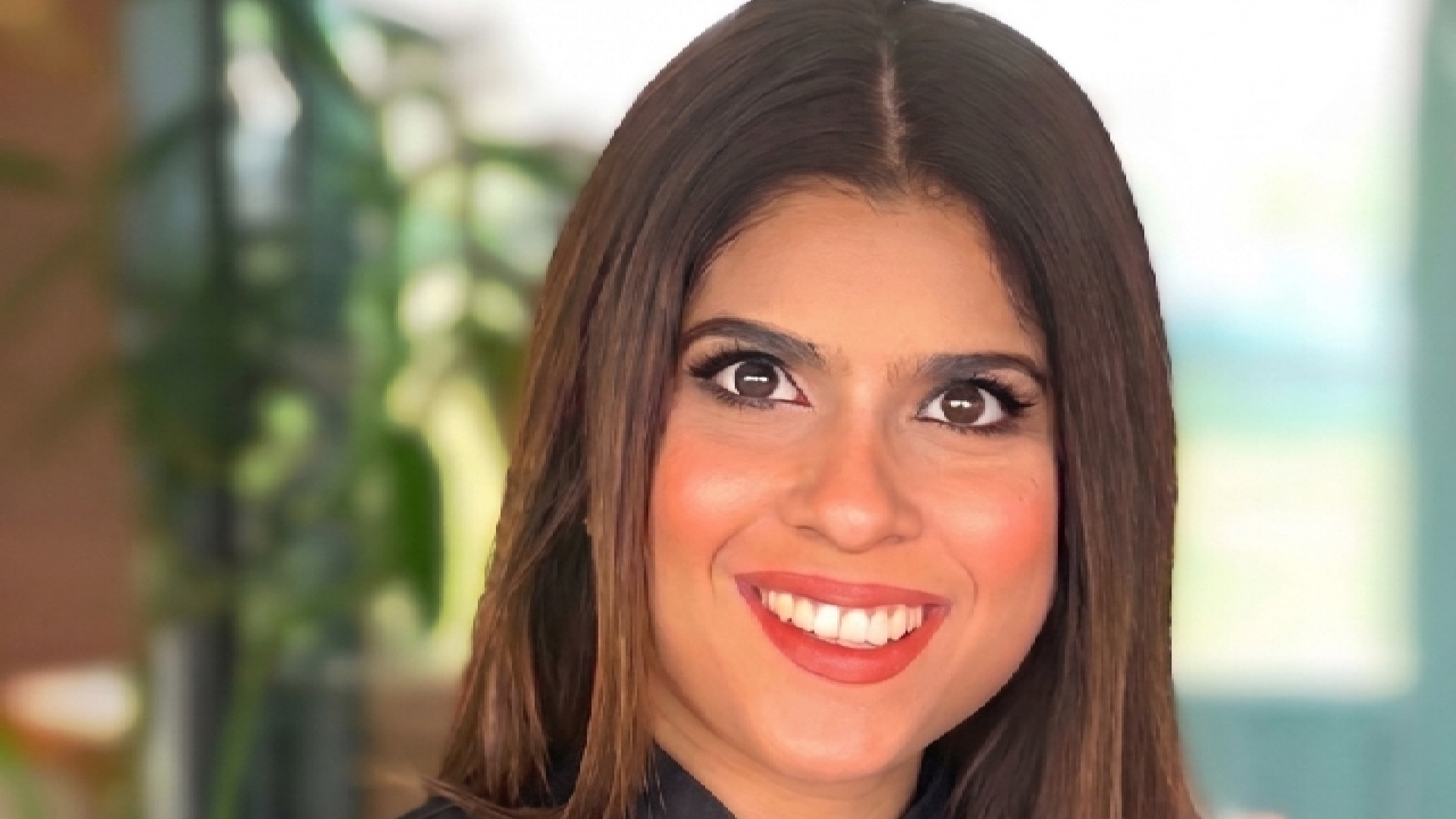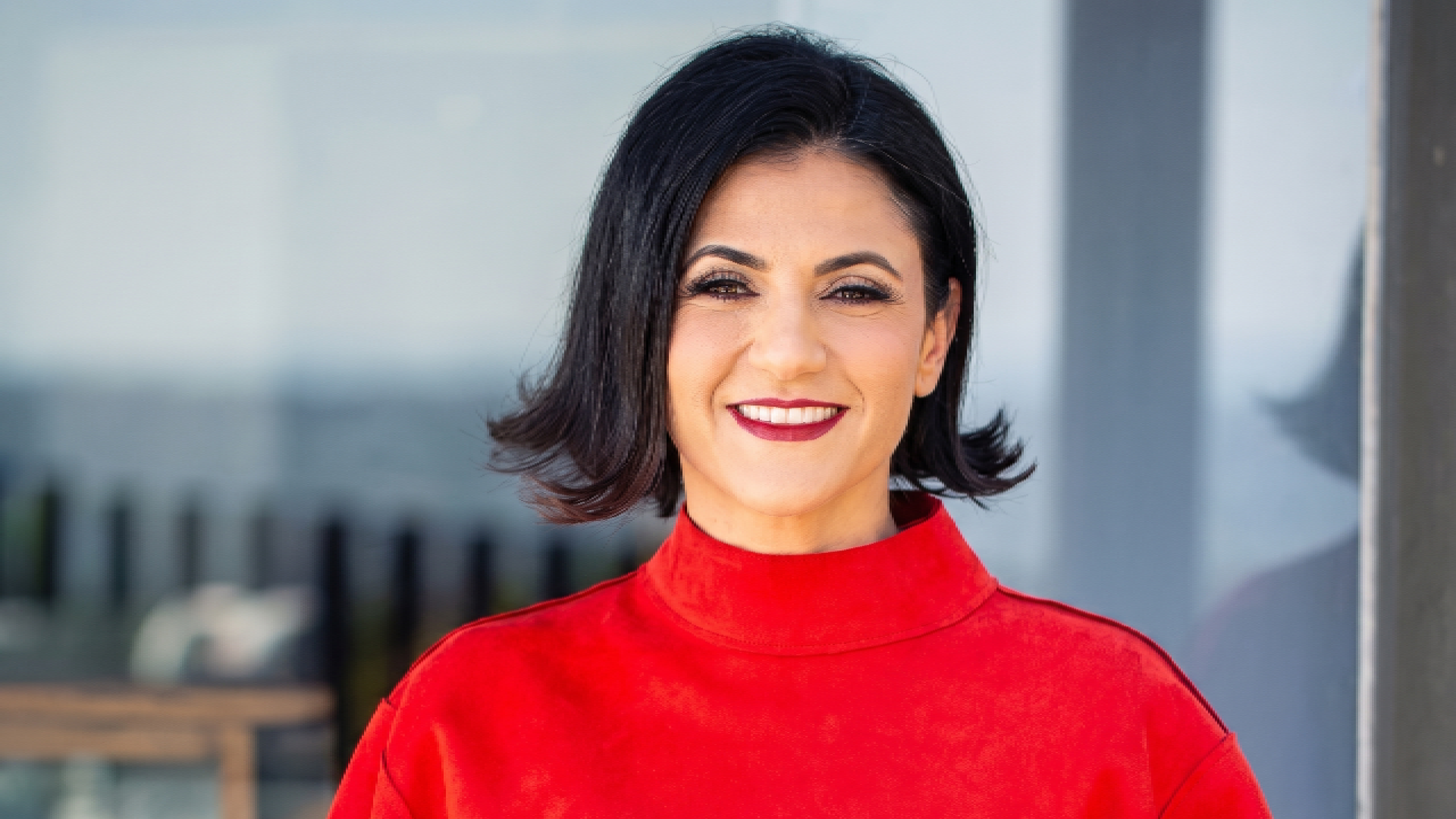
Paula Quinsee’s work begins with a deceptively simple idea: people want to be seen.
In homes, boardrooms, teams, marriages, and communities, she believes the same basic human need keeps surfacing in different forms. We want to feel acknowledged. We want to feel safe. We want to know that our voice matters.
Through Engaged Humans, Quinsee works with organisations and individuals to rebuild that connection. Her path into this work has moved through corporate marketing, long-distance running, relationship therapy, neuroscience, and entrepreneurship, eventually culminating in a career built around helping people understand themselves and each other better.
Stefan le Roux sat down with Quinsee for The Good Business Journal to discuss resilience, workplace culture, generational tension, AI, South Africa, and why relational intelligence may become one of the defining business skills of the future.
The Good Business Journal: Let’s start at the beginning. Where did you grow up?
Paula:
I was born in what is now Zimbabwe, but back then it was Rhodesia.
At seven, we moved to South Africa. We lived in Knysna for two years, then moved to Johannesburg, and later my dad was transferred to Durban. Because the provinces had different school syllabuses in those days, they wanted me to repeat Standard 8. My dad said no, she’s passed Standard 8, she’s not repeating it.
So instead of going to Pinetown Girls, I ended up going to Pinetown Technikon and doing a commercial matric. I started working very young, around 16 going on 17. My first job was as a shop assistant in Pinetown.
Stefan: How did that path eventually lead you into the work you do now?
Paula:
I moved back to Johannesburg in 1992 and started working for Standard Bank as a bank teller. I worked my way through different departments and landed, almost by chance, in a marketing coordinator role.
I realised I really liked the creative side of marketing. My manager at the time saw potential in me and encouraged me to study. Money was never an option for university, so I self-funded my degree while working full-time. I’m the only person in my family with a degree. I eventually completed a BA specialising in marketing.
Later, while I was in a long-term relationship, my partner and I hit a rough patch and went for couples counselling. Our therapist recommended that we attend an Imago Relationship Therapy workshop. I was blown away by the impact it had on me. It helped me understand my upbringing, how it shaped me, and how that influences the way we build relationships personally and professionally.
I decided then that I wanted to do that work.
Stefan: Did you make the pivot immediately?
Paula:
No, not immediately. I believe in divine timing. The first time I applied for the training, I couldn’t afford it because it was in dollars and my long-term relationship had ended. The second time, I had changed jobs and couldn’t get leave because it wasn’t work-related. The third time, everything fell into place.
I became a certified Imago Relationship Therapy facilitator and educator. That equipped me to understand relationship dynamics, first with yourself, and then how that plays out in personal and professional spaces through conflict, triggers, communication, and safety.
At first, I worked mostly with couples in the evenings and on weekends. But over time, that shifted.
Stefan: You were still in corporate at that point?
Paula:
Yes. I worked at Standard Bank, then Nedbank, and then moved into fast-moving consumer goods with KFC, also in marketing.
Stefan: What did your time in marketing teach you?
Paula:
What marketing taught me was that everything is about relationship. It’s about building a relationship with a brand, with an audience, with people. At KFC, spending time in stores with staff and customers, you really start understanding what makes people love a brand.
Eventually, I lost the passion for marketing, and the relationship side took over. In May 2014, I left corporate to pursue a career around making a positive difference in people’s lives. I had no grand plan. I just knew that was what I wanted to do.
Stefan: What helped you make that leap?
Paula:
Running played a big role. I started long-distance running in 2006. I joined Randburg Harriers and trained with a running coach for 10 years. I set goals for myself, and by default those goals pushed me into a more competitive space.
In 2009, I was 13th overall woman at Comrades and in the top 10 South African women. Running gave me identity, accomplishment, purpose, and credibility. It taught me resilience, determination, perseverance, grit, and putting in the blood, sweat, and tears.
All of that became part of the foundation I took into entrepreneurship.
Stefan: Today, most of your work is with organisations. What shifted?
Paula:
When I started, most of my work was with couples and individuals. Now about 90% of my work is with businesses, and 10% is with individuals.
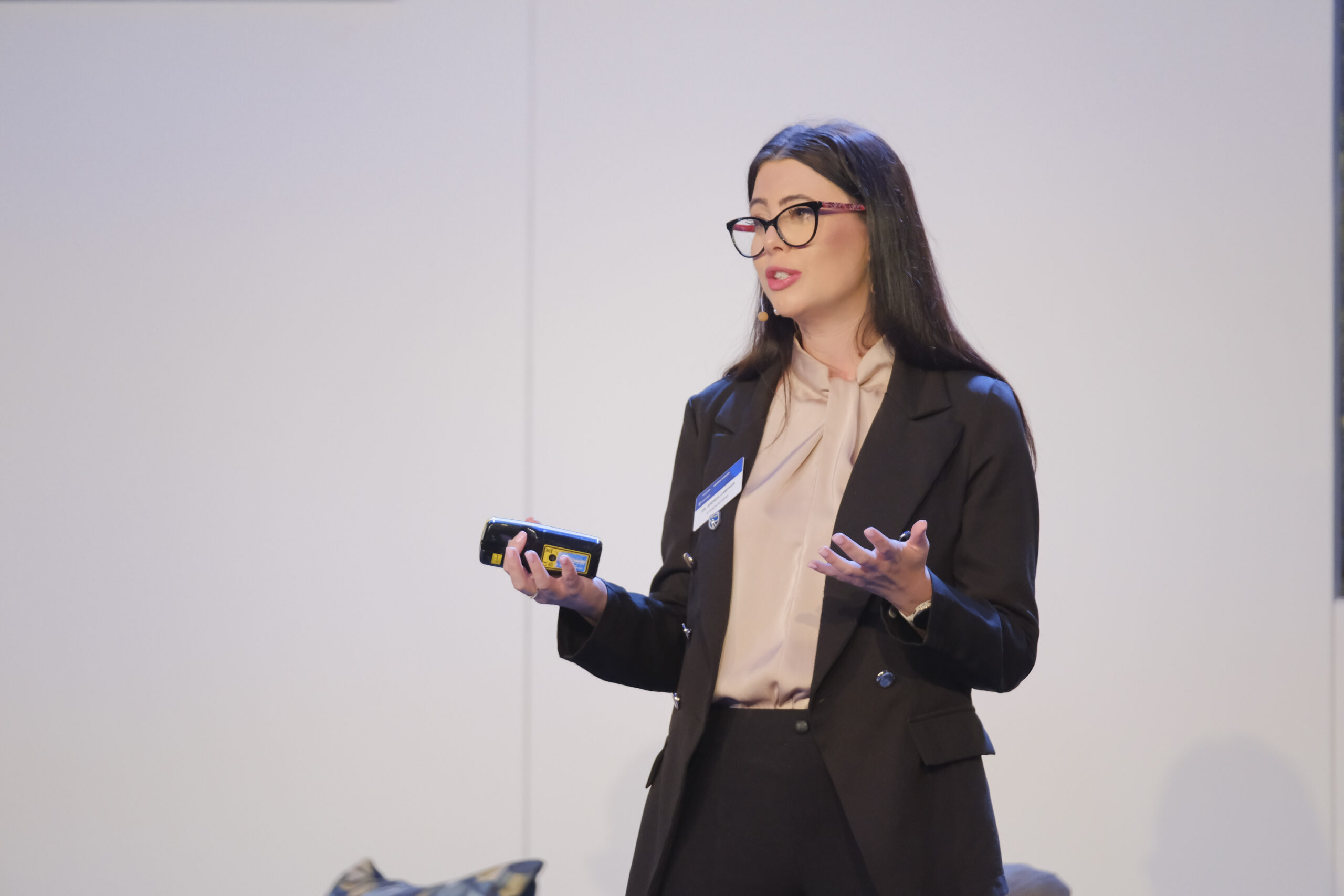
Over the years, I blended everything together: Imago Relationship Therapy, NLP, behavioural profiling, leadership work, and neuroscience. I’ve become fascinated by human behaviour and what makes us tick.
The essence of Engaged Humans is facilitating connection, because I believe we’ve lost it. We live in disconnected worlds. We’re disconnected from ourselves, from our personal spaces, and from our workplaces.
That disconnection shows up in divorce, dysfunctional families, unhealthy coping mechanisms, and disengagement at work. People are stuck in this always-on life where they never really switch off. We’re busy, busy, busy, doing, doing, doing, but we don’t know how to stop, be, and connect with each other as humans.
Stefan: You speak about performance in a very holistic way. What makes a high-performing human being?
Paula:
From a neuroscience point of view, there are four components that contribute to being high-performing. And I don’t mean competitive performance. I mean bringing the best version of yourself into a space.
The first is exercise, or really movement. For some people that’s going for a walk. For others, it’s running Comrades. Movement helps us shift energy, process emotion, manage stress, and avoid stagnation.
The second is nutrition. What you put into your body is how you fuel yourself. We used to think the brain was the most important organ, but we actually talk about three brains now: the head brain, the heart brain, and the gut brain. What you put into your body affects your gut health, which affects your heart health, which affects your brain health.
The third is sleep. It’s not just the number of hours, but the quality of sleep. That’s when the brain does a lot of its best work.
The fourth is mindfulness. It’s your frame of mind, what you consume mentally, and whether you operate from optimism or pessimism—growth mindset or fixed mindset.
Those four things help us cope with stress, resolve conflict, and connect with others because we are more connected to ourselves.
Stefan: You’ve worked with couples and companies. What is the common thread between intimate relationships and workplace relationships?
Paula:
At the end of the day, regardless of the environment, human beings have two core needs. We want to be seen, and we want to be loved or accepted for who we are.
In our personal relationships, that comes through emotional connection, intimacy, trust, and knowing someone has your back.
In the workplace, we get it through our roles, our contribution, recognition, performance, bonuses, promotions, and feeling that we add value. That gives us significance. It makes us feel accepted and that we belong.
There’s no real difference between personal and professional relationships, other than the way love shows up. In personal spaces, it is emotional love. In the workplace, it is love for the work, the people, the industry, or the environment. Otherwise, we wouldn’t keep showing up.
Stefan: What is one intervention that delivers real value inside an organisation?
Paula:
Creating spaces where people can sit around the table and feel that their voices are heard.
It starts with acknowledging what is working well, because if something is working, how do we do more of it? Then you look at what is not working, what is causing frustration, and what needs to improve.
But the important part is follow-through. If people raise issues and nothing happens, they stop trusting the process. When leaders acknowledge the issue, create an action plan, and actually implement it, people feel heard and valued. That builds trust and credibility from a leadership point of view.
Stefan: What is the biggest challenge within today’s corporate structure?
Paula:
We now have five generations in the workplace, which we haven’t really had before. Each generation has been shaped by different things. They bring different strengths, challenges, leadership styles, and communication styles.
That creates friction.
People in leadership positions are often under pressure from above and below. Many are reaching the point where they say, this stress and responsibility is not worth my mental health and wellbeing. Some would rather step into roles where they don’t have to manage people.
This is because many people are promoted into leadership positions without being given real leadership skills. They are not taught how to manage accountability, have difficult conversations, create safety, or hold space for another human being.
We don’t learn relationship skills at school. We don’t learn how to relate, how to listen, or how to handle feedback without becoming defensive. Then we put people into leadership positions and expect them to know how to do it.

Stefan: Do you think society has become less equipped to communicate effectively?
Paula:
Yes, most definitely. Especially younger generations coming through. I am generalising, but many have lost some of their social skills and ability to communicate effectively with others.
A lot of young people are dealing with anxiety, depression, overwhelm, and pressure to have their lives figured out. They are leaving school, going to university, studying, and entering adult life with this pressure from parents, education, career expectations, and the belief that they need to know exactly where they are going.
At the same time, the world is changing so fast that many are studying for things that may look completely different in five years. The old idea was that you needed a degree or an MBA to get somewhere. Now it is more about flexibility, adaptability, and constantly upskilling yourself.
Stefan: Where does AI fit into that conversation?
Paula:
AI is here, and people need to embrace it. That doesn’t mean everyone needs to become an AI expert, but they do need to know how to use it in their own role to become more efficient and effective.
The bigger question is: as more of the task-driven work becomes automated, where does that leave us as human beings?
It leaves us with connection. It leaves us with problem-solving, brainstorming, creativity, collaboration, and relating to each other. That means relational skills will become even more important, not less.
Stefan: What does success look like for you over the next few years?
Paula:
I’ve been blessed to work with some big blue-chip companies locally and cross-border, including Rand Merchant Bank, Discovery, Allan Gray, Ashburton Investments, Bank of Botswana, and smaller businesses too.
For me, success is having more impact and working with organisations that understand the value of investing in their people. Your people are your business. If your people are not well, your business is not well. It affects your bottom line and productivity.
I want to work with businesses and leaders who are serious about that. Locally, across South Africa, cross-border, and hopefully more internationally as well.
I also believe strongly that we need to hear both men’s and women’s voices. If we are talking about inclusive spaces, we need everyone around the table. We talk about women’s health, menopause, depression, juggling home and career and kids, but we also need to talk to men. There are single dads, divorced dads, hands-on fathers. Men experience their own struggles too.
The same applies generationally. We hear things like millennials are lazy, entitled, not loyal, and job-hoppers. There may be some truth in some of it, but when you step in and understand why, you get context.
When you have context, you have clarity. When you have clarity, you have understanding. Without context, you have ambiguity, and ambiguity leads to assumptions.
If we can sit around the table and have those conversations, we can create connection, community, and belonging.
Stefan: What keeps you optimistic about South Africa?
Paula:
There is something about the South African spirit. We are resilient. We are creative. We are adaptable. We just find a way.
There are still so many opportunities here to showcase what we can do as a country and what we can do together. You see it in sport, with the Springboks and how they bring us together as a nation. There are many other ways we can do that too.
The South African spirit is something I don’t think can be replicated. It is our own unique selling point.
Stefan: One final practical question. What is one habit that can help people who are struggling in a relationship, whether at home or at work?
Paula:
When you feel yourself getting reactive or defensive, pause.
Both people need to take a step back and reflect: What is going on inside me? What is triggering me? Why am I reacting this way? What is the underlying need or pain point?
Then come back to the table and be open. That is a scary place to be, because vulnerability is uncomfortable. But real connection happens when people are brave enough to say, this is what is going on for me.
It is not about who is right or wrong. It is about holding space for both perspectives and then asking, what do we do going forward?
That is where the next step begins.
As artificial intelligence accelerates, workplaces become more fragmented, and modern life continues to strain under the weight of disconnection, Quinsee’s work feels less like corporate wellness and more like infrastructure.
Beneath the neuroscience, leadership frameworks, and relationship dynamics sits a deceptively simple proposition: people perform better when they feel seen. In a world increasingly optimised for efficiency, her argument is that the future may belong to those who remain deeply, unmistakably human.