Some forms of entrepreneurship begin with ambition. Others begin with necessity.
For many of the young people entering the Ingelosi Foundation Bootcamps in Johannesburg’s Inner City, business is not a passion project or a scalable startup idea. It is survival. A side hustle stitched together between taxi rides. A desperate attempt to create income where no formal opportunity exists.
Founded in 2018 by Jen Tanesse, the Ingelosi Foundation works with young entrepreneurs operating at the very bottom of South Africa’s economic ladder, providing mentorship and business training to people often excluded from traditional entrepreneurial infrastructure.
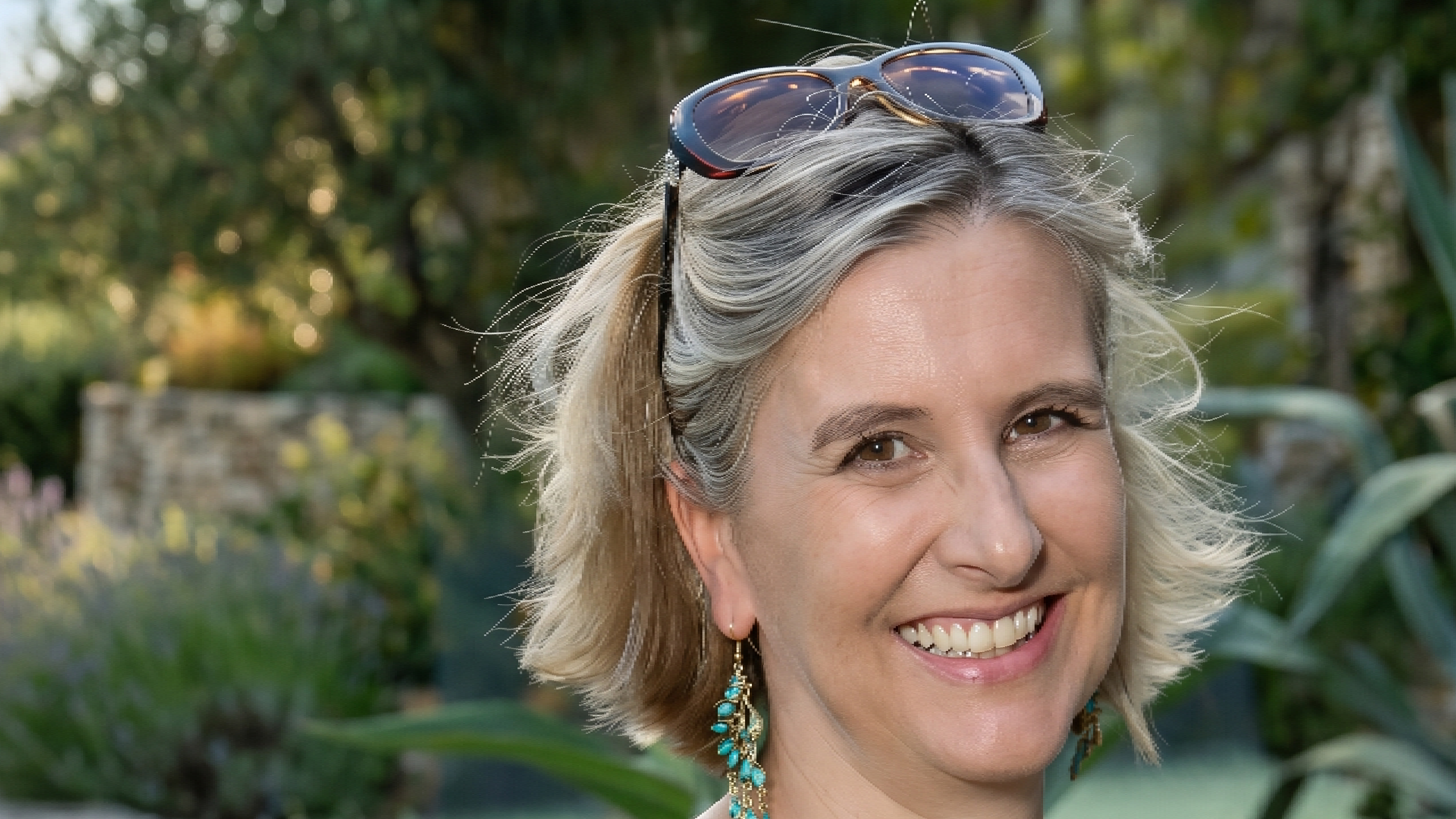
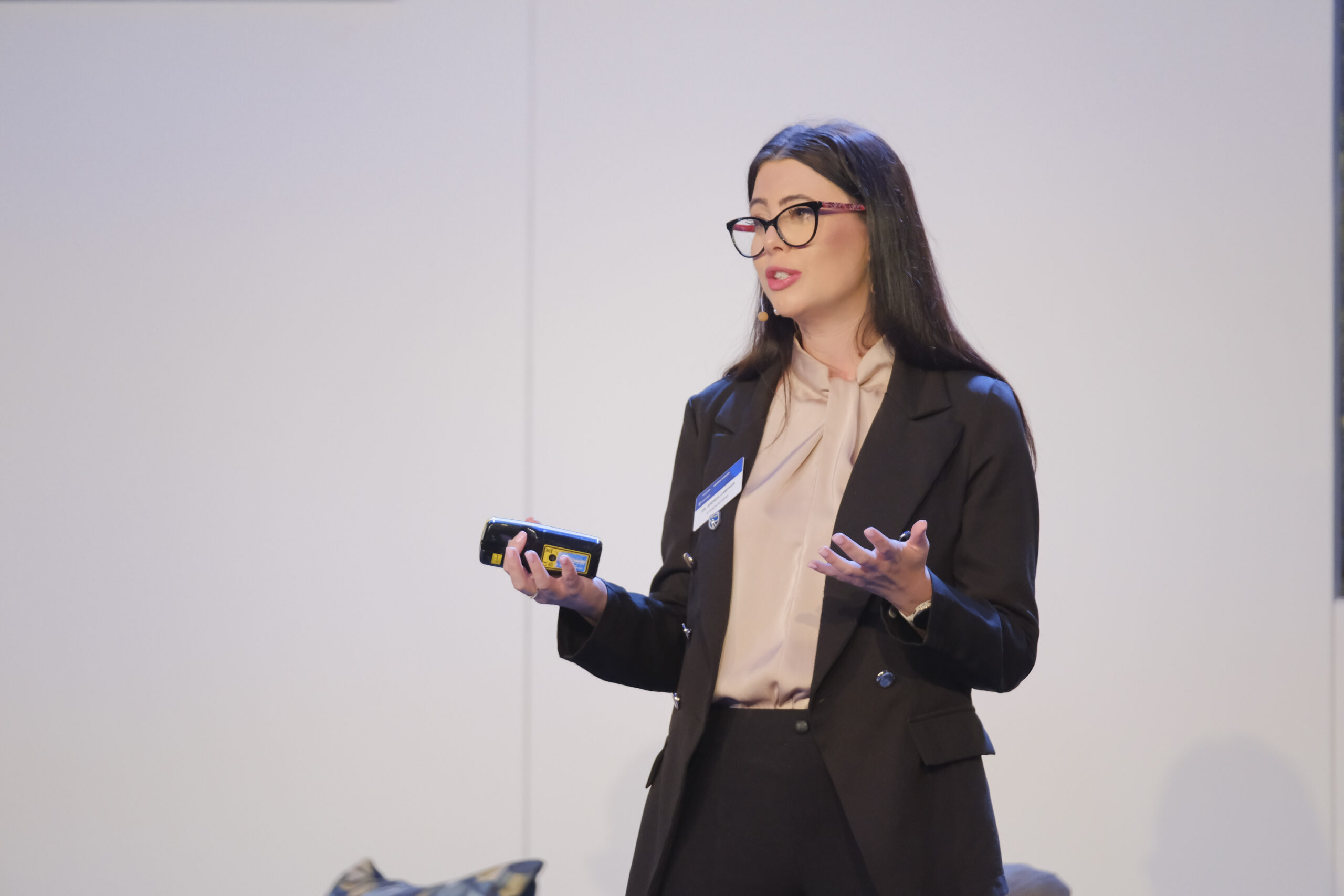
Stefan le Roux sat down with the Operations Manager of Ingelosi Foundation, Jean Veitch, to discuss the hidden complexity of poverty, the psychology of self-worth, and what gives her hope about South Africa’s future.
The Good Business Journal: What does entrepreneurship actually look like at the level you operate in?
Jean:
The people we interact with are literally living from hand to mouth. The reason they start businesses is survival. It’s not, “I’ve got a great idea, let me see if I can raise funding.” They come with a completely different set of challenges.
Some of them haven’t matriculated. Some have never seen a balance sheet or a budget before. We’ll have someone selling scones on the street corner, wondering why they aren’t making money, but they’ve never actually calculated the value of their own time.
So the level we operate at is very grassroots. We’re dealing with people who are trying to survive first and become entrepreneurs second.
Stefan: The scone reference is quite specific. Is there a story there?
Jean:
Yes, this person came to one of our boot camps saying she was a caterer. In the inner city, “caterer” can mean carrying a bucket of scones around and selling them on the street.
We started teaching her basic budgeting and costing. She was calculating flour, butter, and ingredients, but she wasn’t calculating her own labour. So we sat down with her and said, “What about your time? What about the hours you spend walking around town selling these?”
Stefan: It sounds like one of the biggest things you teach isn’t even business. It’s self-worth.
Jean:
Absolutely. Fundamentally, we teach people to value their time.
A lot of the people we work with have never been valued in that way before, so the idea that their time is marketable or economically meaningful is not natural to them.
Our intern used to spend three hours taking taxis to meetings because he thought he was saving twenty rand instead of taking an Uber. It took almost two years for him to understand that his time was actually more valuable than the money he was saving.
That’s the real lesson. Valuing themselves.
Stefan: Do you think that’s psychological? Because it almost sounds like a kind of economic imposter syndrome.
Jean:
Maybe partly, but I think it’s even more basic than that. It’s just a completely foreign concept.
People are told things like, “You can be great,” but they’re not given the tools for greatness. They don’t understand how to position themselves in society as legitimate contributors.
And that’s part of what we try to teach younger people in our youth programmes as well — understanding yourself, understanding your value, and understanding how to present yourself in the world with some depth behind the bravado.
Because a lot of that bravado is defensive. It’s survival.
Stefan: What makes the Ingelosi Foundation different?
Jean:
Most entrepreneurial programmes expect you to arrive with a developed idea already. Maybe you’ve tested a business model, maybe you already have access to funding or networks.
Our people are in survival mode. They’re desperate for income.
That’s our niche. We’re trying to help people who are operating below the level that most entrepreneurship ecosystems are built for.
Stefan: And yet even relatively small amounts of funding can completely change the trajectory of someone’s life.
Jean:
Definitely. But we also learned very quickly that funding alone isn’t enough.
Last year some participants received around R10,000 in seed funding, and even managing that amount of money was overwhelming because nobody had ever taught them how to grow money properly.
So now we’ve become much more involved in the process itself — mentorship, accountability, helping them structure spending properly, helping them think long term.
Because otherwise the money disappears and six months later they’re back where they started.
Stefan: There’s so much hidden complexity that exists inside poverty. People often judge from the outside without understanding the logistical realities people are dealing with.
Jean:
Exactly.
You can arrange a job interview for someone and then become frustrated when they don’t arrive, but you don’t realise they may have had to find childcare, borrow clothes, figure out taxi fare, or travel across the city using multiple taxis just to get there.
We take so many things for granted.
And then there are emotional pressures on top of that.
We had one young entrepreneur who wanted to become a hairstylist. Someone generously offered him free training, but he couldn’t afford the transport to attend the academy every day. So even though the training itself was free, it was still inaccessible to him.

Those are the kinds of realities people don’t see.
Stefan: Your own background actually started in advertising. How did this foundation come into existence?
Jean:
I started in advertising and later moved into consulting. Then I began working with a company called Meter Mate Metering, which installs electricity metering systems in buildings.
Because they operated heavily in the Johannesburg Inner City, the foundation was originally created as a way of giving back to this specific community, however we have expanded our Bootcamp model to other NGOs outside of this footprint.
At one stage Ingelosi Foundation bought a building in Berea that we hoped would become a training centre, but it was a hijacked building and things became complicated. Then COVID happened, we shifted into relief work, and eventually the building was burnt down by the people living there.
So we adapted. We found different venues, built different programmes, and kept moving.
It’s all been held together with dental floss and chewing gum at times, honestly.
Stefan: What keeps you hopeful about South Africa’s youth?
Jean:
They are determined.
They may not always know exactly how to channel that determination yet, but they genuinely want better futures for themselves. They are open to guidance, open to learning, and they are tough. Life has not been easy for them.
I think sometimes people mistake lack of opportunity for lack of motivation, and they are not the same thing.
Stefan: And lastly, what keeps you hopeful about South Africa in general?
Jean:
I think it’s the fact that there are so many people trying to make things better in their own way.
Some people work with youth. Some focus on climate. Some help abused women. Some create jobs. Some mentor. Some teach.
And I always say: look after your circle. If everybody looks after their circle properly, eventually those circles start intersecting.
That’s how things improve.
Stefan:
There is a tendency in South Africa to speak about unemployment and poverty in broad statistics, as though they exist somewhere far away from ordinary life. But beneath those numbers exists a parallel economy made up of people trying, often desperately, to create opportunity from almost nothing.
Street vendors. Hairdressers. Tailors. Hawkers. Young people building futures with whatever they can carry in their hands.
What Jean Veitch and the Ingelosi Foundation understand is that the issue is often not a lack of motivation, but a lack of equipment. Sometimes that equipment is funding. Sometimes it is mentorship. Sometimes it is simply someone teaching another person that their time—and by extension their life—has value.
And perhaps that is where real change begins. Not in grand solutions or billion-rand interventions, but in circles of people deciding to look after one another long enough for those circles to eventually intersect.