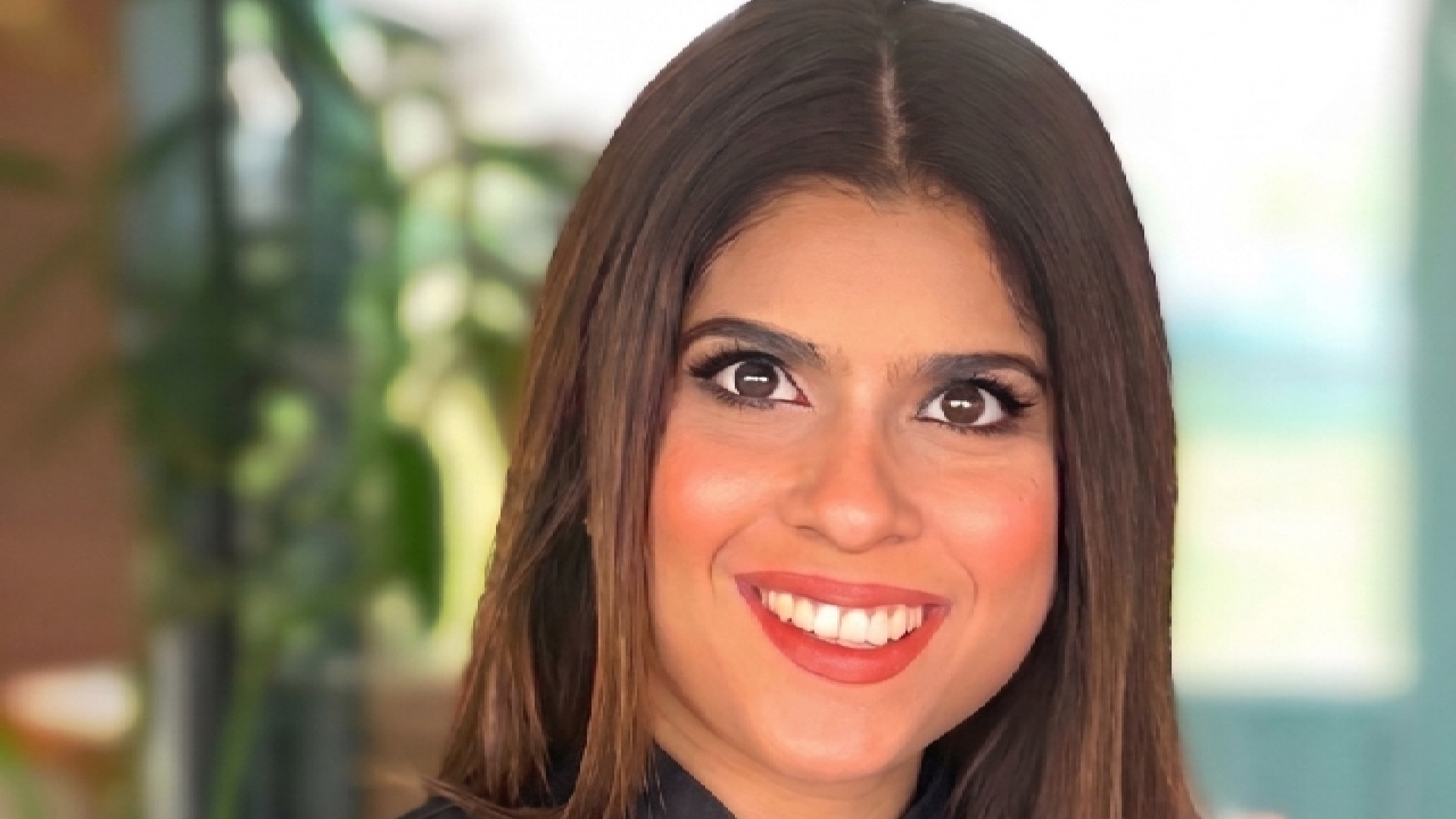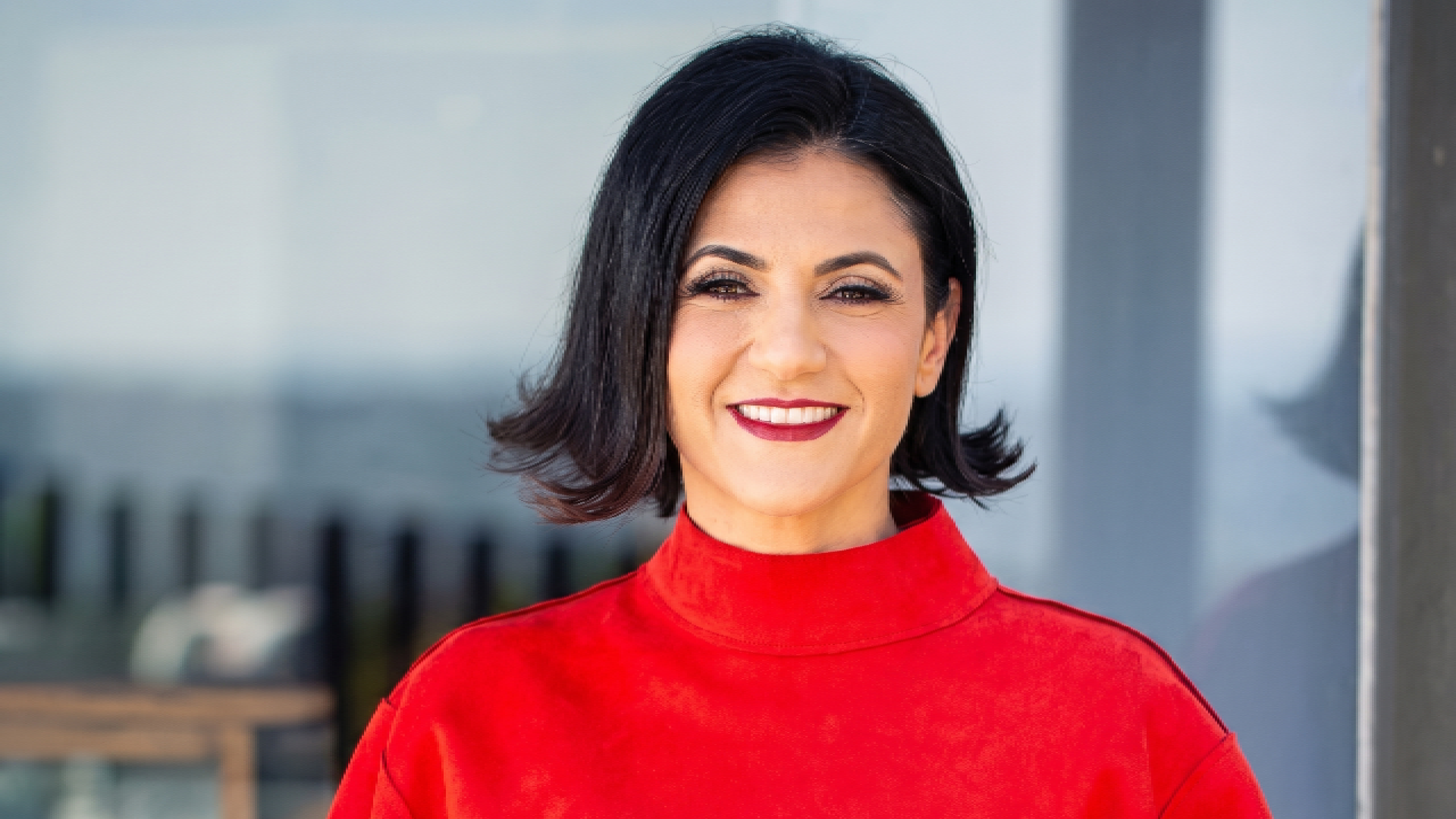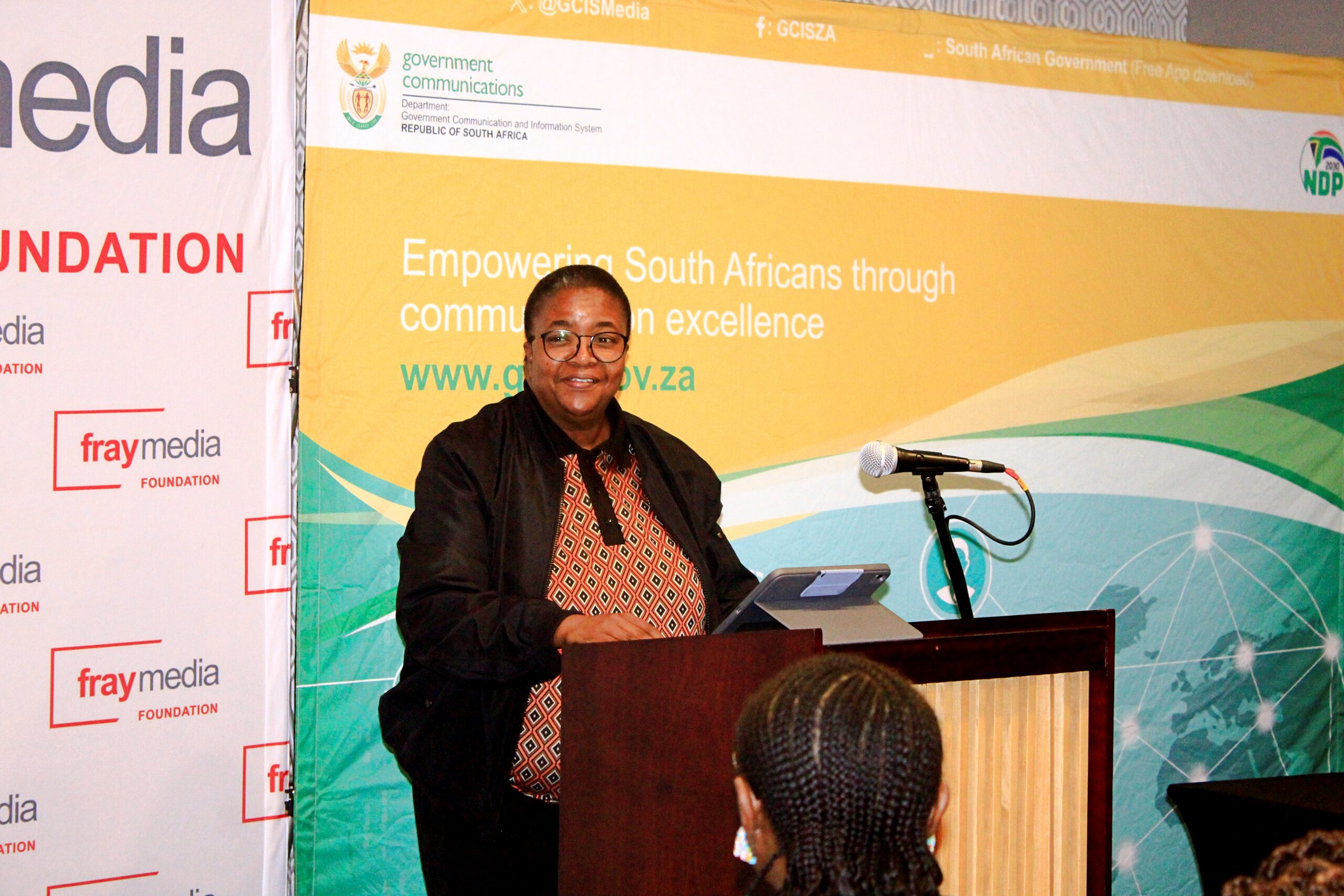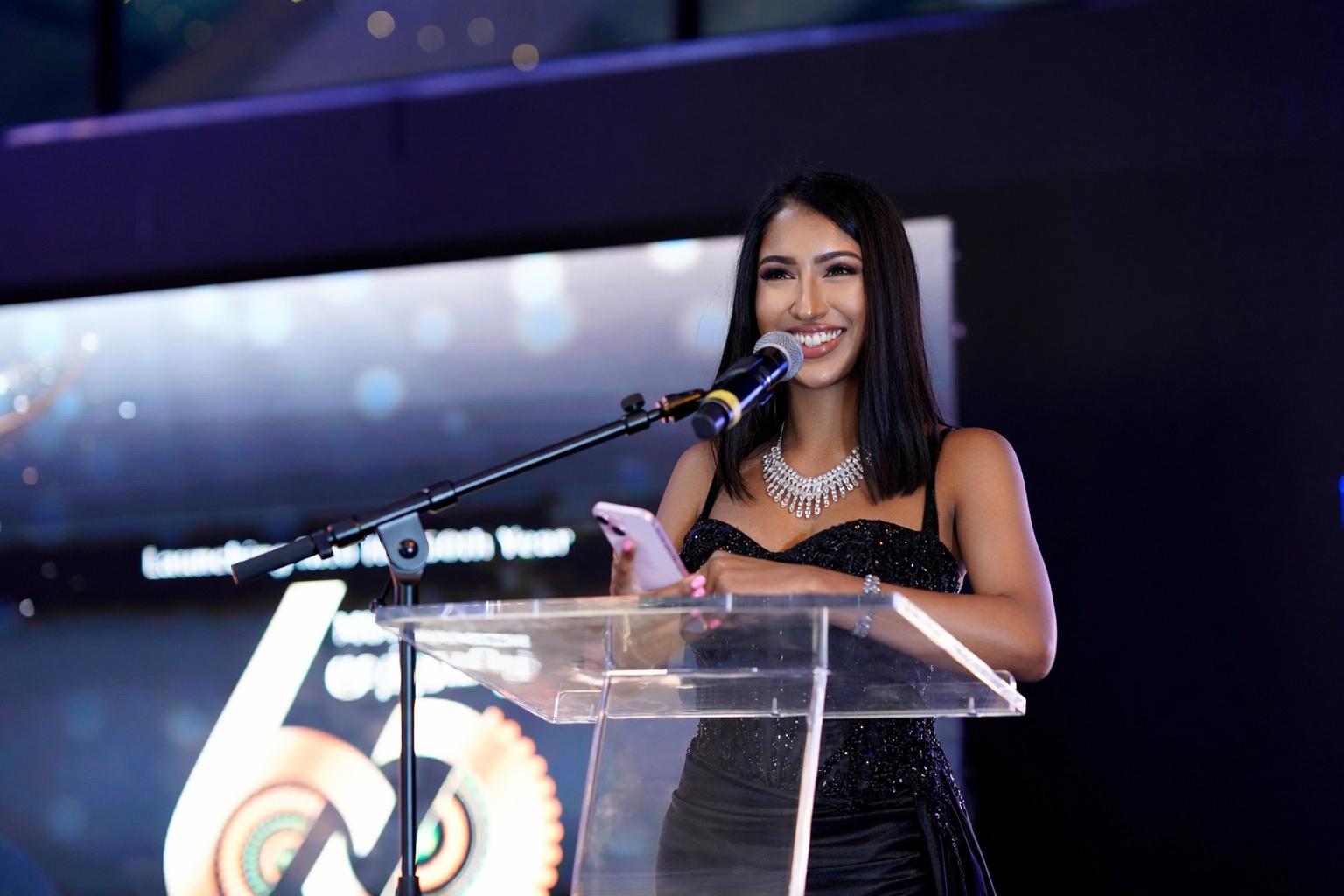
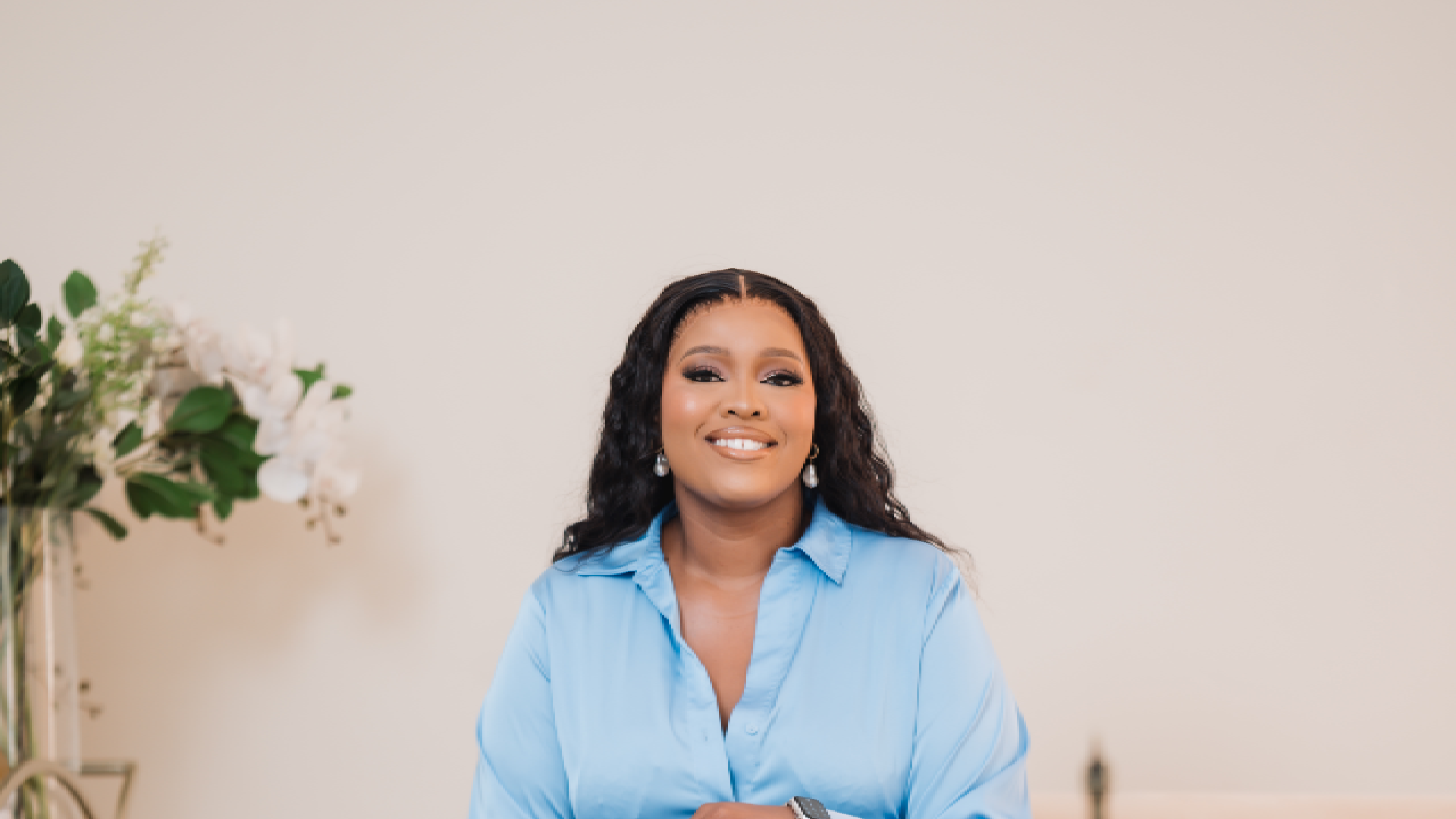
Ntando Zikalala has quietly built one of the country’s most dynamic talent and brand‑strategy agencies, but her story doesn’t begin in boardrooms or on red carpets. It begins in Soweto, inside a household of strong women, where entrepreneurship, resilience, and independence were part of everyday life.
Bryan Welker and Stefan le Roux sat down with Ntando to trace her path from a township upbringing to building an agency that now operates on a global stage. Along the way, she reflects on leadership, authenticity in marketing, and how a side project in talent management got her to the Oscars.
The Good Business Journal: Tell us about your childhood. Where did you grow up? What was it like?
Ntando:
My name is Ntando Zikalala, and my name actually means “will.” I live that every day. Everything I do is with my own will and in my own right.
I grew up in Soweto, in a township called Orlando, and I lived there all my life.
I’m 33 years old this year, and I’m a mother of two—two teenagers. One is 14, and my second just turned 13. I had my kids when I was really young. My first was a teenage pregnancy, and I had my second when I was 21.
I’m the eldest of three girls. I’ve got a sister who is 11 years younger than me and another who is 22 years younger. My kids and my youngest sister are basically siblings—they all grew up together.
I come from a home that was mostly female‑led by very loving and strong women. We call it “raising queens” at home because that’s what we’re up to. Each one that we’re raising needs to come out a queen.
My mother also had me very young; she was 17 when she had me, and she has been a single mother ever since then. In many ways, we grew up together, which created a very interesting dynamic.
Because I had my kids so young, I didn’t go to university. I come from what I call the University of Life. I learned in the streets, I developed in the streets, and so far it’s worked for me.
Bryan: Where did that hustling spirit come from?
Ntando:
It’s always been in me. My great‑grandmother and my grandmother were both incredible women. They were hustlers—entrepreneurs.
My great‑grandmother owned what you’d call a tavern during apartheid. She made ends meet, made it work, and managed to acquire property. We had cars at home. We really made things happen.
Seeing women around me create opportunities like that showed me very early that anything is possible if you’re willing to work for it.
Stefan: Your mother, Zandisile Nhlapo, is quite the figure in her own right. What was it like growing up with her as a role model?
Ntando:
My mom was a continuity presenter on SABC1. At that time she was essentially the face of the channel.
So I grew up around the entertainment industry. I grew up in the spotlight, seeing how television worked and how the industry operated.
But she was also very smart. She eventually pivoted from being a presenter to being a businesswoman. Today we actually work together, and I manage her as well, so it’s come full circle.
Bryan: When did you get your first real taste of entrepreneurship?
Ntando:
When I was in Grade 9 my mom was dating a radio DJ who had a daughter more or less my age. The two of us became close, and she introduced me to a dance competition called Masters of Rhythm.
Her partner at the time had conceptualised the show and was running it at the time. Through that connection, I got involved and worked on the event for three or four years while I was still in high school.
That was my first real experience of entrepreneurship.
I worked as the artist liaison and stage manager. We organised auditions, coordinated the show, handled the guest lists, and managed production. I was already working with spreadsheets, organising logistics, and making sure everything ran smoothly.
It made me money, but more importantly, it gave me access to the entertainment world.
That’s also when I realised something about myself: I’m a stickler for detail and aesthetics. I want things to look a certain way and run a certain way.
Stefan: You say that as though it is part of your being. Do you think that attention to detail can be taught, or is it something you are born with?
Ntando:
I think it can be trained, but it starts with passion. You have to be obsessed.
In my team, you need to be obsessed with growth, with the opportunity, with the environment you’re working in. If I don’t sense that hunger during recruitment, I already know it won’t work.
I have also seen people grow into it, but it takes time, dedication, and patience.
I would also like to say that I’m a longevity person. I believe in the long game. If I invest in someone today, the difference five or ten years from now can be huge.
Something I like to tell people that I am mentoring is that this is your real life, and there’s no expiry date. Everything you’re learning now compounds over time.
Stefan: Bring us closer to the present. How did your professional career begin?
Ntando:
I run two agencies today. The first is a below‑the‑line PR and communications agency called Liquid Image Consulting, which I run with my mother.
After I had my kids, I remember thinking, “What’s next?” My mom said, “Come work with me. Let’s do this together.”
So I joined Liquid Image and quickly realised that if I took it seriously, I could build something meaningful.
I’ve always loved entertainment, marketing, and PR, so it made sense. Before Covid our team had grown to about 22 people. We were running conferences, activations, corporate campaigns—serious work with clients like BP South Africa and Castrol.
Stefan: But To The Max started separately, right?
Ntando: Yes. That actually began as a hobby.
In 2016, I sent a DM to an actress named Linda Mtoba. She had just appeared on a show called Isibaya on TV and didn’t really have management yet.
I was travelling to Durban for work and asked if she wanted to meet for coffee. That coffee turned into a two‑hour meeting.
From that moment, I started managing her while still running an activations agency.
Stefan: And then Covid hit.
Ntando: Exactly.
Covid completely shut down events and activations. Everything we did at Liquid Image suddenly stopped.
But interestingly, the only enquiries I was receiving during that time were for Linda. Brands were moving from physical campaigns to digital collaborations, and talent management suddenly became incredibly relevant.
By 2021, my younger sister said to me, “You’re really good at this. Take it seriously.”
I was nervous and scared, but that moment pushed me to formalise the business.
That’s how To The Max Brand Management was born.
I always say it like this: a seed I planted five years earlier grew at the exact moment I needed shade.
Stefan: A lot of businesses collapsed during Covid. Yours was born in it. What was the biggest challenge?
Ntando: Trusting myself.
I deal with imposter syndrome a lot. Sometimes the biggest obstacle is my own thoughts.
And then there’s the challenge of building the right team—people who share the same passion and want to push the work forward.
Stefan: How would you describe your leadership style?
Ntando:
I believe in compounding—everything builds into a bigger picture.
That’s how I try to lead. I want to be excellent at what I do, but still create an environment where people feel comfortable sharing ideas, failing, and learning.
We’re not afraid to be wrong. We try again.
I believe our soft skills are actually our greatest strength.
Stefan: Your work is deeply tied to storytelling and shaping perception. Where do you draw inspiration as a storyteller?
Ntando:
Everywhere.
I’m like a sponge. I’m always learning and observing.
I’m not afraid to say, “Explain it to me like I’m five.” Simplifying things helps you understand them properly.
We grew up in a really unique generation. We experienced life before smartphones and then the explosion of social media, and I think a quirk of our generation is that we are used to pivoting when things change.

Now we’re stepping into AI and an entirely new digital era. I honestly don’t know what the next five years will look like.
I’m just here with the pen and paper, watching it unfold and preparing for it.
Stefan: What have been some of your proudest moments so far?
Ntando:
There are a few big ones.
Last year, we collaborated with a brand and took one of our talents to the Oscars. I ended up attending myself, walking corridors that even some American celebrities haven’t experienced.
We also captured the first photo of Selena Gomez and Miley Cyrus together in 20 years.
In the same month, we attended NBA All‑Stars and sat courtside.
We also structured the first brand ambassador contract for Vaseline and convinced Foschini, a major clothing and apparel brand that had never used a celebrity lead in over 100 years, to change their approach to celebrity endorsements
Those moments remind me how far the work can go.
Stefan: Where do you see To The Max in the next five years?
Ntando:
We’re taking it to the max—always.
Because we work across so many industries, we get early insight into how brands are thinking. Sometimes one client is doing research that another market won’t even consider for three years.
That helps us forecast and gives us market intelligence.
We also recently expanded into sports and in five years, we see To The Max firmly established as a leading integrated sports and culture agency, both locally and across key international markets. Our ambition is to evolve beyond talent management into a full-scale ecosystem that connects athletes, creators, and brands through sport-led storytelling, content and commercial partnerships.
A major focus of that growth is our expansion into sport. We are actively building a stronger footprint across multiple sporting codes, developing IP around athletes, creating original sports content formats & partnering with rights holders and brands to unlock new commercial value in sport. This includes deepening our work with professional athletes, investing in athlete-driven media platforms, and producing challenger-style and documentary content that sits at the intersection of sport, culture & overall entertainment.
Ultimately, To The Max in five years will be recognised not just as a representation agency, but as a creative and strategic force shaping how African Entertainment & Sport is experienced, consumed, and monetised globally.
Stefan: When a business decides to work with a marketing agency, what should they be thinking about to make sure the relationship actually works?
Ntando:
Authenticity.
When you are genuinely yourself, marketing becomes much easier.
Our job is to build a strategy around who you actually are, but we can’t do it without the client being fully present and authentic in the process.
Authenticity is the cheat code.
Bryan: What advice would you give young marketers and creators entering the industry?
Ntando:
Kids these days are in a rush, but I don’t know where they’re going.
Slow down your strategy, your expectations, and allow yourself to grow and understand who you are.
But I think there are two fundamental things. A hard worker can beat a talented person any day. And opportunities don’t arrive wearing a shirt saying, “Hey, I’m an opportunity.” You have to learn how to recognise opportunities and know what to do with them.
And remember: only dead fish go with the flow.
Bryan: What advice would you give a young woman in South Africa who might see herself in your story?
Ntando:
Don’t be afraid to fail.
A lot can go wrong—but even more can go right.
Failure is part of the journey.
Stefan: If you were speaking to someone who was thinking about leaving South Africa—or someone considering building their life and business here—what would you tell them about the country?
Ntando:
Three things.
First: the people. South Africans are incredible. There’s a warmth and charisma here that you don’t experience everywhere else.
Second: the food. We have amazing cuisine from every culture imaginable.
Third: the weather and the landscape. Mountains, coastlines, wildlife—it’s a beautiful country.
Ntando Zikalala’s story doesn’t follow a neat script. It’s built from early responsibility, strong women, township entrepreneurship, and a willingness to recognise opportunities before they fully reveal themselves.
From a teenage stage manager running dance competitions to the founder of an agency operating on a global stage, her journey reflects the power of persistence, authenticity, and long‑term thinking.
As she puts it simply: success isn’t about getting in—it’s about staying long enough for the work to compound.