Bryan:
Yael Geffen grew up in one of South Africa’s best-known real estate families, but at 22, she decided to follow her own path and left home in pursuit of anonymity, odd jobs and a better understanding of herself beyond her family name.
Years later, she returned to South Africa intending only to dip a toe into the family business. Instead, a series of deeply personal and professional upheavals would place her in leadership during one of the most turbulent chapters in Lew Geffen Sotheby’s International Realty South Africa’s history.
Bryan Welker and Stefan le Roux sat down with Yael as she reflected on identity, resilience, authenticity, leadership, motherhood and the importance of using any platform you have available to help others.
The Good Business Journal: How did your upbringing shape you?
I grew up in Johannesburg, and you could say I was raised in a kind of real estate dynasty. My late grandmother was Aida Geffen, and she was the first to pioneer real estate franchising in South Africa. My father worked for her for several years before leaving to start his own real estate agency with my mom, Sandy.
Real estate was part of everyday life growing up. I remember when my sister was born, my father was rocking her and going, “How many deals have you done today? How many deals have you done today?” So, I think the whole sales and entrepreneurial thing kind of ran through our family.
I was always referred to as Aida Geffen’s granddaughter or Lew Geffen’s daughter, and I didn’t really have my own identity. I couldn’t wait to travel and experience the world.
Stefan: You left for New York at 22. What did that chapter teach you?
I learned who I was. I learned my identity.
I loved the fact that on the same subway, a Wall Street broker and a homeless person were there at the same time. This idea of a real melting pot—that was such a gift.
I never felt lonely, but I was alone. I was financially cut off, and it was such a great experience doing things from the ground up.
I remember once I was in the subway at Grand Central and I was just feeling so beaten by the city, like, oh my God, this place is so hard. And there were buskers singing, “If I can make it there, I’ll make it anywhere,” and for the first time those words hit me. I thought, oh my God, I get that. I actually get that.
I learned that you could drop me anywhere in the world and I would be fine.
Stefan: When you came back to South Africa, did you imagine you would stay?
No. My intention was always to go back to New York.
I came back because it was the 2008 financial crisis and everything was closing.It was a bad time and, with winter on the way, I thought maybe let me dip my toe in the family business.
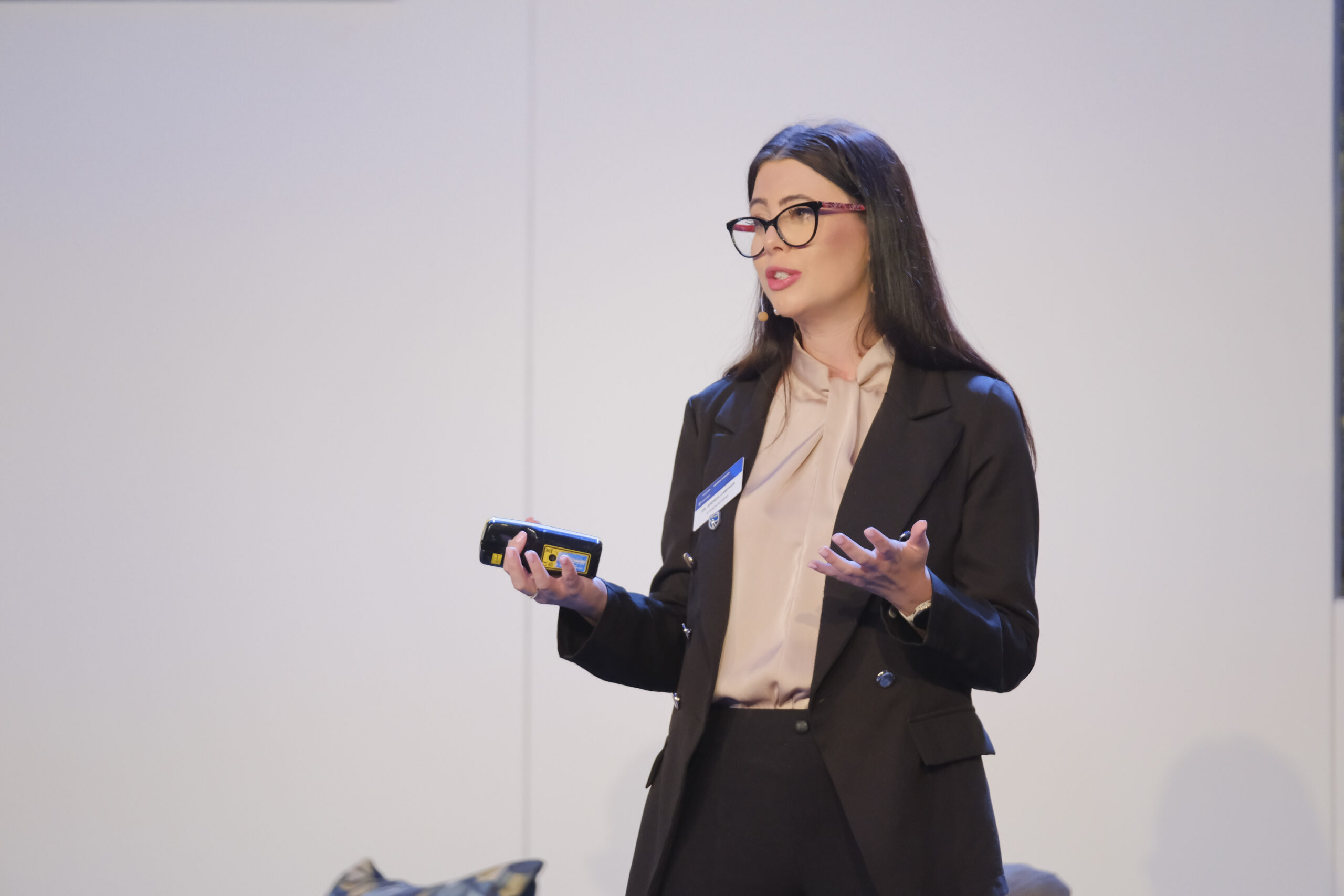
I worked for my late brother in his marketing department and was an apprentice to my father. I wanted to learn about the family business, but I didn’t come back with some master plan.
And now, 17 years later, here I am. They say what you resist persists.
Stefan: Your path into leadership was shaped by loss and crisis. How did that happen?
A couple of months after I started dating my ex-husband, his father passed away in Australia. Then four months later, my brother took his own life. He was a director in the company, and he had made me his alternate director before he died. So, all of a sudden, from just kind of having a job and a bit of a career, I was now sitting on the board.
Then in 2016, our former CEO was charged with murdering his wife at our national convention. It was all over the news, even international news, and because of the Sotheby’s name, daily calls were coming in regarding the situation. It was a very, very challenging time.
In 2017, I really started my journey as CEO, but I was very green. It was a bad recession; I was the only female CEO amongst the top brands, and the male CEOs were so astute and so much more experienced than me. And on top of that, I was the chairman’s daughter, so hello, nepo baby.
I also had a four-year-old, and I was a single mom. So, it was a crazy time.
Stefan: How did you learn to lead in that environment?
At first, I leaned into this thinking that I needed to be stronger by being more masculine. I started wearing ties like an idiot.
After wearing my fifth or sixth tie, I looked in the mirror and said, what are you doing, you schmuck? You’re a woman. You’re powerful. You deserve to be here. You don’t need to prove yourself. Just do the work.
And I started networking, empowering myself, getting a mentor, learning, focusing on knowledge, focusing on things that weren’t superficial.
Stefan: How do you think your experience in New York prepared you for the challenges you later faced
Living in New York built real resilience. I went from a family where we had three-course dinners at night to not knowing where my next meal was coming from and being grateful for a Hot Pocket out of the microwave.
Stefan: Your TED Talk “Make It Without Faking It” really resonated with me. What sits at the heart of that message for you?
The idea is that we have to self-promote in this world. Personal branding has become more powerful than ever. So how do you self-promote without making yourself and others cringe?
I think people read straight through the false humility, the virtue signaling, the “hashtag humbled, hashtag blessed” rhetoric. There’s a way to lead with authentic confidence versus fake bravado. And there’s a way to put yourself out there and still do it in a way that makes people like you.

People want to see the person behind the mask. It’s not always a beach in St Tropez. You want to see the messy. That’s what makes you like the person more.
Stefan: What drives you now?
I’m not motivated by money. I’m motivated by making an impact.
I think that’s what truly drives me. If I’m on a stage, it’s not for ego purposes or ‘hey, look at me’. It’s about what I can leave you with.
Whether I’m talking about mental health, empowering women, entrepreneurship, real estate—if you can make an impact in someone’s life and help them, that’s what drives me.
I think there are so many people in leadership positions that are wasted, because it’s such a wonderful platform. A lot of people have high-profile positions, and they settle for just living their lives. But we’re here to contribute.
Bryan: What would you say to the 20-something woman trying to find her place in the world?
Don’t be scared to ask for help. You are not alone.
Lean into authentic confidence. Embrace your femininity. You can be very powerful as a woman. You don’t have to lean into male toxicity or try to be something you’re not.
Bryan: What are you most proud of, and has your definition of success changed?
I have a couple of highlights.
Firstly, giving birth to my son and being a kickass, cool, rock-star mom. I’ve raised him very differently from the way I was raised. He’s what I’m most proud of—his development, his character.
Then, living in New York City alone with nothing and learning how to make it there and developing a friendship network. Those people became my family.
And interviewing Edith Eger. That was honestly a lifetime memory achievement. I’ve won a lot of awards, but that was something else.
If I talk about how my definition of success has changed, one of the biggest lessons for me has been letting go of control and stopping trying to rescue everyone. I’ve got this natural rescue archetype, and it’s so pointless.
You waste your energy because people end up doing what they want to do. “Not my monkey, not my circus” has been a big lesson for me. It’s allowed me more space and more oxygen for myself.
Stefan: What makes you optimistic about South Africa?
I think we are one of the most entrepreneurial countries on earth because of everything that we deal with. You can either complain or just get on with it and make the most out of it.
Most people struggle with acceptance. South Africans can accept very quickly, and then we pivot.
Bryan:
From New York subways to boardroom crises, Yael Geffen’s story is about choice—the choice to grow, to lead authentically, and to use her platform for impact. It’s a reminder that real leadership is built from the inside out.