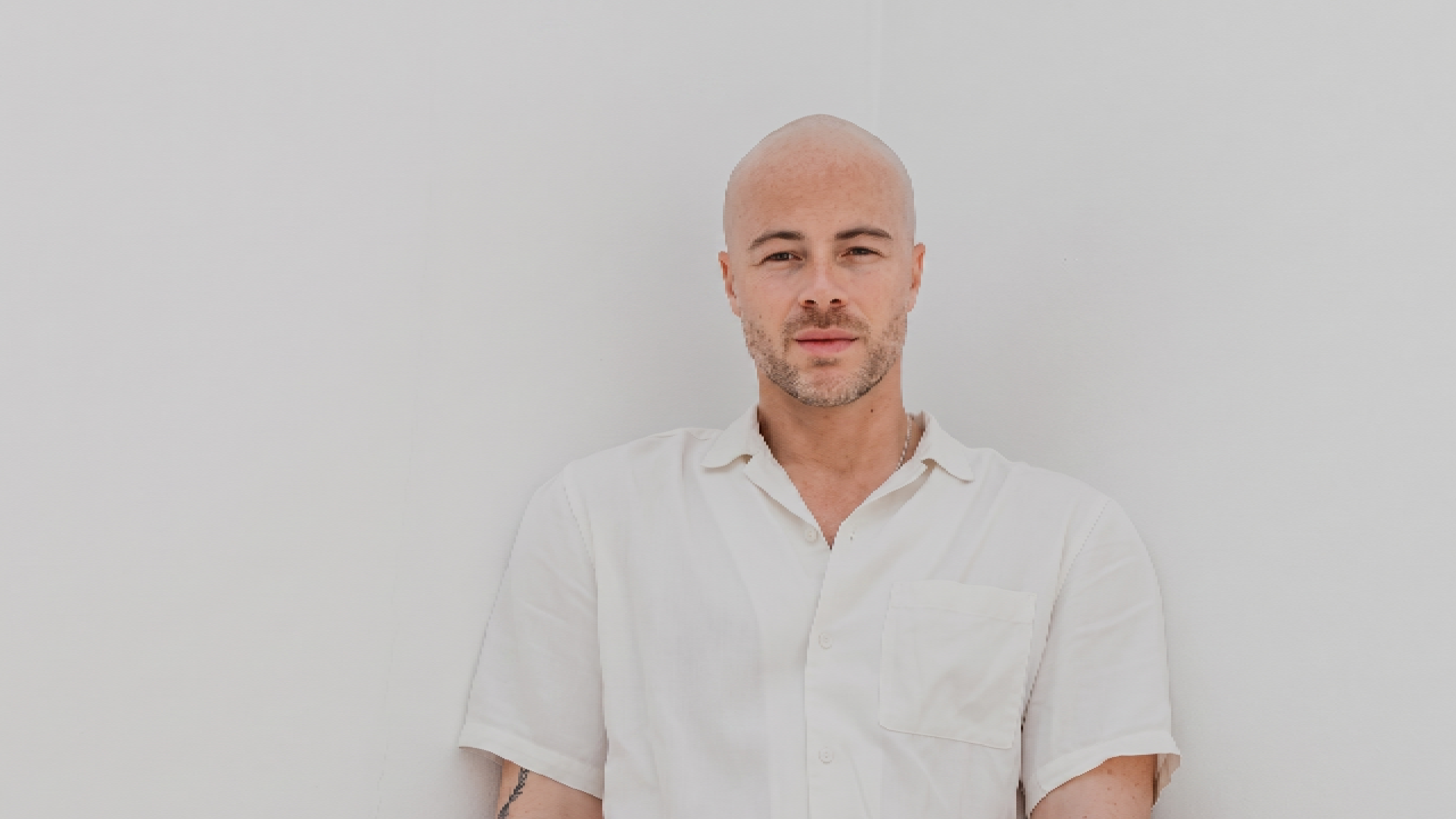
Diaan Daniels’ story in fashion started early, sitting with his grandmother while she sewed and observing his mothers elegence. What stands out in his story is not just how early that passion formed, but how consistently he chose to back it.
From taking on his first wedding dress while still studying, to walking away from a diploma in favour of real work, to reaching out to people long before he had any reason to believe they would say yes—his career has been built on acting before certainty arrives.
Nearly three decades later, that same willingness to adapt continues to shape the business. The latest chapter has seen Daniels partner with Hanco Jansen van Vuuren, bringing a younger perspective into the leadership of the brand as it navigates new audiences, social media, and an increasingly digital marketplace.
Stefan le Roux sat down with Diaan to unpack mindset from the early days of figuring things out as he went, to building a business that now spans bespoke and ready-to-wear, and learning when to trust his clients, and when to lead them.
The Good Business Journal: Let’s start at the beginning. Where did you grow up?
Diaan:
I grew up in Bloemfontein in the Free State and went to school at Jim Fouché High. That’s where everything started.
Stefan: And when did fashion become part of your life?
Diaan:
Very early. My grandmother was always sewing and doing crochet work, and I used to sit with her and help. I was her right-hand man. That sparked something.
My mom also had a big influence. She’s very elegant, and I loved the whole process of her going to designers and how she presented herself. So between that and my grandmother, it was always there.
I actually wanted to study drama after matric, but at the last minute, I realised fashion made more sense.
Stefan: Do you think that interest in drama still plays a role in what you do now?
Diaan:
Definitely. I used to stutter when I was young, so drama helped me become more confident. It also teaches you how to access different parts of your personality.
When clients come in, they expect a certain energy from you. It’s not fake—it’s just another layer of who you are. During the day, I tap into that more theatrical side of myself. It helps guide the client through the process.
Stefan: How did it transition from passion into a business?
Diaan:
I studied fashion at the Bloem Fashion Academy. In my first year—literally within the first two months—my niece was getting married and asked me to make her wedding dress. I didn’t have much experience, but I did it.
That really kicked things off. Soon after, I started getting exposure through fashion shows and local networks. By 19, I was already getting work.
At the same time, I was told only 1% of designers make it. I didn’t take that well. I’m the type of person who will prove you wrong.
By my second year, I had to decide whether I wanted my diploma or the business, because I was already too busy with matric farewell dresses. I chose the business.
Because the reality is, fashion school doesn’t teach you everything. It doesn’t teach you how garments fit real people or how to adapt designs. That’s what makes a designer—going the extra mile.
Stefan: Did you ever feel imposter syndrome having taken that leap at such a young age?
Diaan:
No. I had confidence in what I was doing. If you love what you do, you must stand behind it.
Also, when you’re young, you’re fearless. My mindset was simple: they can only say no. And then what? Nothing.
So I just did it. I reached out, I made mistakes, and I fixed them. At the end of the day, it’s just fabric—you can start again.
Stefan: You stayed in Bloemfontein for quite a while before moving to Johannesburg. What led to that shift?
Diaan:
I started my business in 1998 and only moved to Johannesburg in 2008.
In between, I had an opportunity to go overseas. I went to Toronto Fashion Week and had the chance to stay and expand there, but I chose not to. I didn’t want to lose control of my name or my identity.
That was important to me—I wanted to build something on my own terms.
I also tried Cape Town for a bit, but it wasn’t the right fit. It felt too pretentious and disconnected from the type of work I do.
Johannesburg just made sense. It’s direct. People know what they want. So I moved, opened a shop immediately, and built from there.
Stefan: How would you describe the business today?
Diaan:
It’s evolved a lot. We started purely bespoke—wedding dresses, evening wear, suits—but now we’re expanding into ready-to-wear as well.
We’ve introduced off-the-rack collections, and we’re building that side of the business more intentionally. Online is the future, so you need products that can scale.
At the same time, I’ve always done menswear. I’m known for bespoke suits as well, which sets me apart because not many designers do both men and women at that level.
Stefan: You’ve been in the game for a few decades now. How have you adapted to the shifting marketing landscape and the influence of social media?
Diaan:
That was a big shift. For a long time, I did everything myself, and social media wasn’t a focus.
Then I realised we were missing a whole generation of clients. So I brought in younger talent—someone who understands that space better—and that changed everything.
It’s important to surround yourself with the right people. You can’t do everything alone, and you need different perspectives to grow.
Stefan: Hiring is obviously a big part of that. What do you look for in people?
Diaan:
Curiosity and willingness to learn. Skill can be taught, but attitude can’t.
They also need to be grounded, kind, and able to work as part of a team. Everything we produce is a team effort.
And then communication. I actually test this by giving people the wrong information in a test brief and seeing if they are aware enough to pick it up, and brave enough to point it out to me.

Stefan: That’s ruthless, I love it.
Diaan:
It is, but it tells you everything. Do they think for themselves? Do they speak up? Because if they don’t, they’re not right for this environment.
Stefan: You deal with clients at very emotional moments in their lives. How do you handle difficult people?
Diaan:
First thing—I don’t believe the client is always right.
They don’t understand the process or what goes into creating a garment. This isn’t retail—it’s something they need to trust you with.
Most of the time, when someone is difficult, it’s not actually about the dress. You end up playing psychologist as well.
And I’ve learned not to give in when I know something won’t work. If I follow every instruction, the end result won’t be good—and I won’t put my name on something I’m not proud of.
I’m very direct with clients. It’s about getting them back to reality quickly so we can create something they’ll actually love.
Stefan: Has that always come naturally?
Diaan:
No, I had to learn it.
Now I set expectations from the first consultation. I explain the process and how things will work. If you can’t speak up in a fitting, don’t come back later with changes. It doesn’t work like that.
And if you don’t trust me, then I’m not the right designer for you.
Stefan: What are the biggest challenges for the business right now?
Diaan:
Growth. We’re growing fast, but there’s so much more I want to do.
The challenge is focus. You can’t do everything at once, so we’re building the business in layers—wedding, then evening, then other product categories.
It’s about scaling without losing control.
Stefan: Where do you see the brand going?
Diaan:
I’ve learned not to be too rigid with that question because things always evolve.
What I can say is I want to build something bigger than just bespoke. I want products that can reach more people—ready-to-wear, accessories, online collections.
I also want to make real money. For a long time, I focused purely on the craft. Now it’s about building something that can grow financially as well.
Long term, I want the brand to become a complete offering—like the big fashion houses—while still keeping that bespoke element.
Stefan: What advice would you give to young designers?
Diaan:
Stay in your own lane. Don’t get distracted by what others are doing.
And understand that fashion is hard work. It’s not just sketching and having someone else execute it. You need to spend hours learning how garments are made. There are no shortcuts.
Also—be fearless. Put yourself out there. Call people. Create your own opportunities.
Someone is going to say yes. And if they don’t, you create your own yes.
Because if you don’t have that drive for yourself, how are you going to lead your clients?
You need to be the strongest voice in the room.
Behind every one of Daniel’s garments is a designer who has spent decades refining not just his craft, but his conviction.
Because in the end, building a name is not just about talent. It’s about backing yourself when no one else does.