
GBJ’s editorial guide to South African entrepreneurs, featuring long-form conversations with the founders, leaders and changemakers building the country’s business future.
They are romanticised as miracle workers. They are expected to build through impossible conditions, or reduced to case studies about access, funding and failure. South African entrepreneurs are often spoken about in extremes.
Building a business in South Africa means dealing with the country as it is. Founders face delayed payments, unreliable infrastructure and limited access to funding, often while trying to keep their businesses running from one month to the next. Yet they continue to find practical ways forward.
Through our interviews, we have met founders who started with almost nothing, as well as those who drew on corporate experience, family businesses, township markets, technical expertise or creative skill. Their journeys are not interchangeable, and neither are the reasons they chose to build. The Good Business Journal exists to document those differences and tell the real story of what it takes to build a business here.
Our conversations are long-form, editorial and selected with intention. They are not paid PR pieces or surface-level founder profiles. They are conversations with people who have built something real, carried responsibility, made difficult decisions and have something worth saying about business in South Africa.
This page is the front door into that coverage. From R1,000 to billion-rand businesses, from Johannesburg to the rest of the continent, these are South African entrepreneurs, founders, leaders and changemakers building in public, in pressure and with purpose.
Featured GBJ Profiles: Five Stories Worth Starting With
If you are new to GBJ, these five stories are where many readers should begin.
Sheldon Tatchell — Legends Barbershop

Sheldon Tatchell’s story begins on a stoep in Eldorado Park and grows into a barbershop brand with reach across Africa. What makes the story powerful is not only scale, but the way faith, skill, dignity and community sit inside the business.

Grenville Salmon — Pace Car Rental

Grenville Salmon’s story is one of the clearest examples of South African entrepreneurship in its most grounded form. He started Pace Car Rental with a borrowed car and built it into a billion-rand business, not by waiting for perfect conditions, but by using what was available and staying in motion.
Peter Rix and Kume Luvhani — Vaxowave

Peter Rix and Kume Luvhani’s Vaxowave story speaks to the next generation of South African tech entrepreneurship. It is a story about partnership, foresight and building carefully in a market where technology keeps changing, but trust still matters.
Tumi Phake — Zenzele Fitness Group

Tumi Phake represents a generation of township founders who are not asking to be softened for the market. His story moves from Katlehong to venture-backed entrepreneurship, but what makes it important is his understanding of capital as responsibility, not just opportunity.
Apiwe Nxusani-Mawela — Tolokazi Brewery
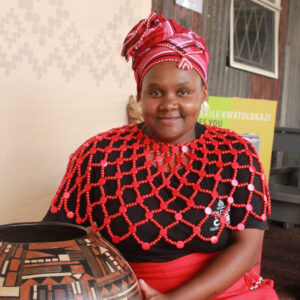
Apiwe Nxusani-Mawela’s journey through brewing is a story of skill, reinvention and endurance. She built, lost and rebuilt in an industry where Black women are still rarely centred, which makes her story both personal and structurally important.
Browse by Theme
Founder Stories & Profiles
GBJ’s founder stories are long-form conversations with South African entrepreneurs about what they built, what they got wrong and what they understand now. These profiles are not written to celebrate success from a distance; they are designed to get closer to the decisions, pressure and discipline behind the business.
Browse GBJ founder stories and profiles
Young & Next-Gen Entrepreneurs
The next generation of entrepreneurs in South Africa is building with a different relationship to access, digital tools, visibility and risk. GBJ follows younger and next-generation founders not as a trend, but as part of the country’s future business infrastructure. Read Ainsley Naidoo on building businesses that endure.

Entrepreneur Lessons & Mindset
Across GBJ’s conversations, certain patterns keep returning: discipline, patience, trust, reinvestment, restraint and the ability to keep going without romanticising the struggle. These stories are where entrepreneurship becomes less about personality and more about practice. Read Graham Mitchell on the discipline of building businesses that last.
Browse by Industry
GBJ’s coverage of entrepreneurs in South Africa moves across sectors because the country’s business story is not held in one industry. We cover technology and fintech, agriculture and food, property and construction, social impact, education, wellness, media and the service businesses that quietly keep communities moving. As GBJ’s industry coverage grows, this section will connect readers to deeper industry spotlights.
For now, browse all GBJ stories by industry and founder
About GBJ’s Approach
The Good Business Journal covers South African entrepreneurs through editorial selection, not paid placement. We look for founders, executives and business leaders with proven track records, genuine stories, community relevance or hard-earned lessons that deserve to be recorded properly.
Our format is long-form because business stories need room. A founder’s journey cannot always be reduced to a quote, a launch announcement or a polished press release. GBJ exists for readers who want to understand the person, the pressure and the work behind the business.
Learn more about how GBJ selects its stories and what it means to be featured.
Could Your Story Belong Here?GBJ features South African founders and business leaders whose track records are real and whose stories are worth telling in full. Being featured is not paid for. It is earned. Once published, your story becomes a permanent, searchable record on Google, in AI tools like ChatGPT and Perplexity, and in a growing archive read across South Africa and in more than 20 countries. If you believe your story belongs here, tell us why. We read every submission. |