The idea of a “news cycle” predates printing presses, broadcast studios, and social media feeds by centuries. From the earliest days of organised society, power has relied on the ability to move information faster and further than dissent. In ancient Egypt, pharaohs issued decrees through courier networks that carried official messages across vast territories. Information did not simply circulate; it asserted authority.
Misinformation followed just as closely. In ancient Rome, Octavian—later known as Augustus—ran a calculated propaganda campaign against Mark Antony, shaping public opinion through speeches, coinage, and official narratives that portrayed his rival as corrupt and disloyal. The goal was persuasion, not accuracy. The medium carried legitimacy. The message carried intent. The result altered the course of history.
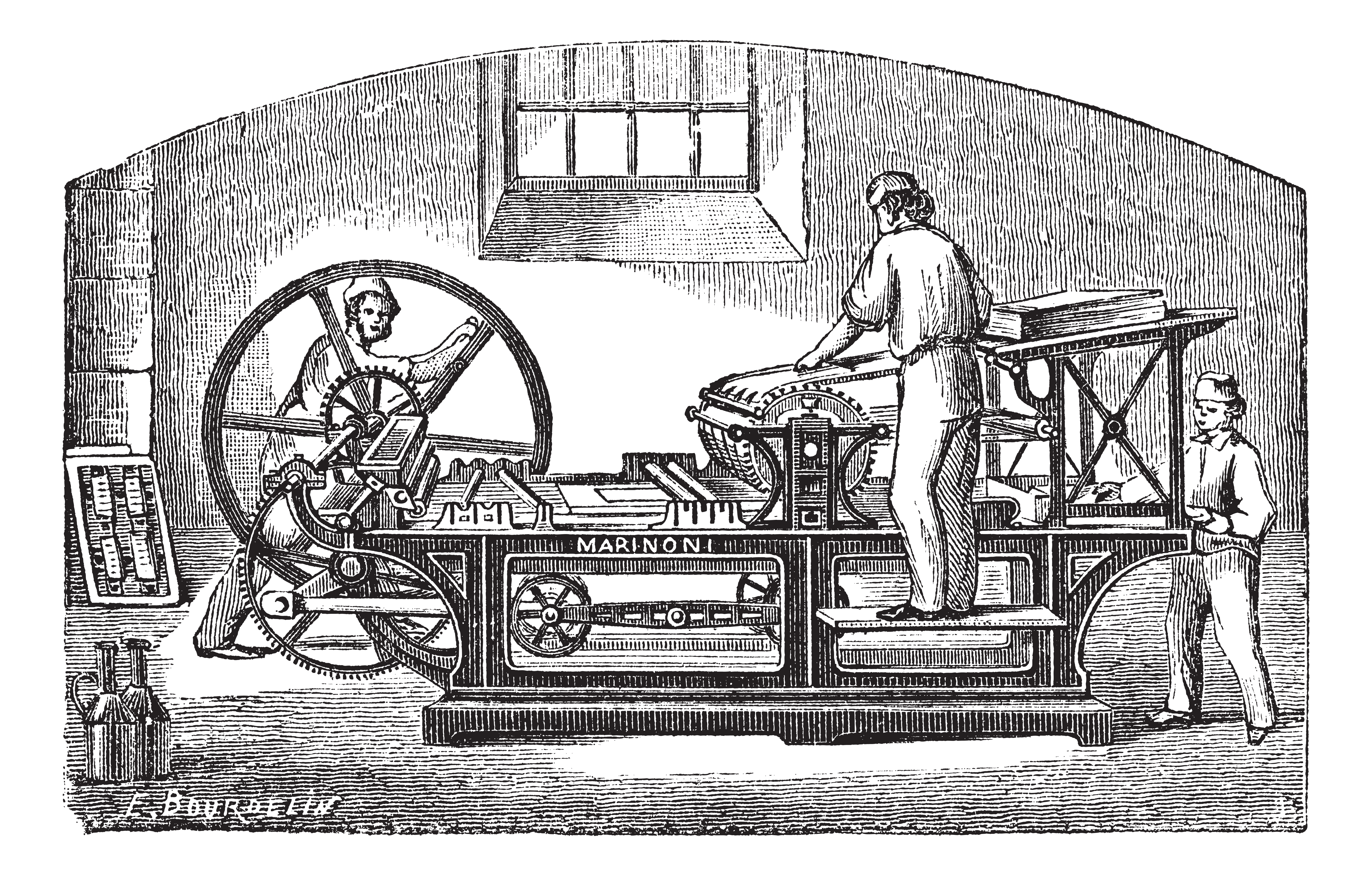
As societies moved from oral tradition and hand‑copied texts into the age of mass publishing, credibility became a practical concern rather than an abstract one. The printing press, followed by newspapers and broadcast media, allowed information to travel at scale.
With that reach came a new problem: readers needed a way to distinguish verified facts from persuasion, speculation, or commerce. In response, publishers created classifications that signalled intent as much as content.
Reporting emphasised verification. Editorial applied institutional judgment. Opinion made subjectivity explicit. Advertorial acknowledged persuasion in editorial form. These distinctions did not solve the problem of trust, but they gave readers a framework for navigating it.
Why Media Content Needs Clear Labels
We consume media every day in much the same way we eat every day. Over time, humans have developed instincts—and later systems—to judge what is safe, nutritious, or harmful. We learn to recognise spoiled food, to read labels, and to follow social norms around how food is prepared and shared.
Media offers no such sensory cues. You cannot smell a misleading article the way you can a rotten egg. Distortion, selective framing, or commercial influence rarely announce themselves. Schools and households seldom teach media etiquette in the same way they teach table manners or basic nutrition. As a result, people navigate an information environment that shapes beliefs, decisions, and behaviour without many of the tools they use elsewhere in daily life.

If media shapes how we think, vote, invest, and lead, then understanding what we consume becomes a shared responsibility. Clear distinctions exist to help readers assess intent, structure, and incentive. They do not tell people what to think. They help people decide how to read.
What follows is a practical guide to the most common forms of media content—reporting, editorial, opinion, sponsored content, and advertorial—and how they typically appear in print and digital environments.
Understanding the Different Types of Media Content
Before drawing conclusions, readers benefit from knowing what kind of content they are engaging with. Confusion often arises when different formats present themselves in similar ways. The distinctions below focus on intent, process, and disclosure.
Reporting
Reporting documents events, facts, and developments in the public interest. Journalists verify sources, attribute claims, and prioritise accuracy. While perfect objectivity remains elusive, reporting commits to evidence and transparency.
Typically labelled as: News, Reporting, Investigations, Special Report. In print, reporting appears in designated news sections without opinionated language.
Reporting answers a simple question: What happened?
Editorial
Editorial content expresses the institutional voice of a publication. Editors select topics they believe serve the public, apply judgment to established facts, and frame issues within a broader social or economic context.
In a traditional newspaper, editorial pages sit apart from news coverage. A front‑page article may report on a policy decision; an editorial several pages in will explore its implications and argue why it matters.
Typically labelled as: Editorial, From the Editors, Editor’s Note, Viewpoint.
Editorial answers the question: Why does this matter to the community?
Opinion
Opinion reflects an individual perspective rather than a newsroom position. Columns and op‑eds make subjectivity explicit and rely on the author’s experience or reasoning.
In print, opinion pieces usually include the writer’s name, photograph, or biography, making attribution clear.
Typically labelled as: Opinion, Commentary, Column, Op‑Ed.
Opinion answers the question: What does this person think, and why?
Sponsored Content
Sponsored content involves a commercial relationship. A brand funds the piece, and that relationship shapes its framing or focus. Clear disclosure allows readers to account for that influence.

In print, sponsored features often appear in dedicated sections. Online, they may sit within a content feed but carry visible labels.
Typically labelled as: Sponsored, Paid Content, Partner Content.
Sponsored content answers the question: What does a brand want you to know?
Advertorial
Advertorials use editorial style to deliver advertising messages. Because they closely resemble journalism, labelling becomes essential to preserve trust.
Print advertorials often appear as full‑page features marked as advertising. Digital versions rely heavily on disclosure.
Typically labelled as: Advertorial, Commercial Feature, Special Advertising Section.
Advertorials answer the question: How can persuasion look like information?
Where The Good Business Journal Fits
With these distinctions in mind, clarity about positioning matters.
The Good Business Journal operates as an editorial‑led publication. It focuses on long‑form storytelling—particularly conversational Q&A editorials drawn from extended, podcast‑style discussions. These interviews are unsolicited and independently initiated. They do not arise from brand partnerships or commercial arrangements.
Each conversation seeks to extract insight from lived experience and demonstrated achievement. Introductions reference a guest’s work or ventures to establish context and credibility, not to promote products or services. These mentions remain high‑level and avoid calls to action or technical detail.
This approach places GBJ’s interviews between traditional editorial and profile writing. That tension is intentional. The publication uses conversation as a tool to surface patterns, lessons, and decision‑making frameworks relevant to business in the South African context.
GBJ edits each piece for clarity and coherence while preserving the speaker’s voice and intent. The goal is illustration, not endorsement—to build a growing blueprint of successful business practice, one conversation at a time.
GBJ clearly labels opinion pieces and discloses sponsored content when it appears. Commercial relationships do not influence editorial selection or framing.
A Commitment to Clarity
Speed and scale dominate modern media. Clarity often falls by the wayside. The Good Business Journal treats clarity as foundational. Labelling, disclosure, and intent matter because they give readers the context they need to engage critically.
GBJ does not seek to dictate conclusions or promote agendas. It aims to uphold distinctions that help readers understand why a story exists and how to read it.