Bryan:
Pre-primary education rarely carries the status it deserves. It is often spoken about as childcare rather than foundational work, even though almost every doctor, professional, or leader begins their life in a pre-primary classroom. The responsibility of shaping a child’s first years—socially, emotionally, and cognitively—is immense, yet the profession itself remains largely unnoticed from a public appreciation perspective.
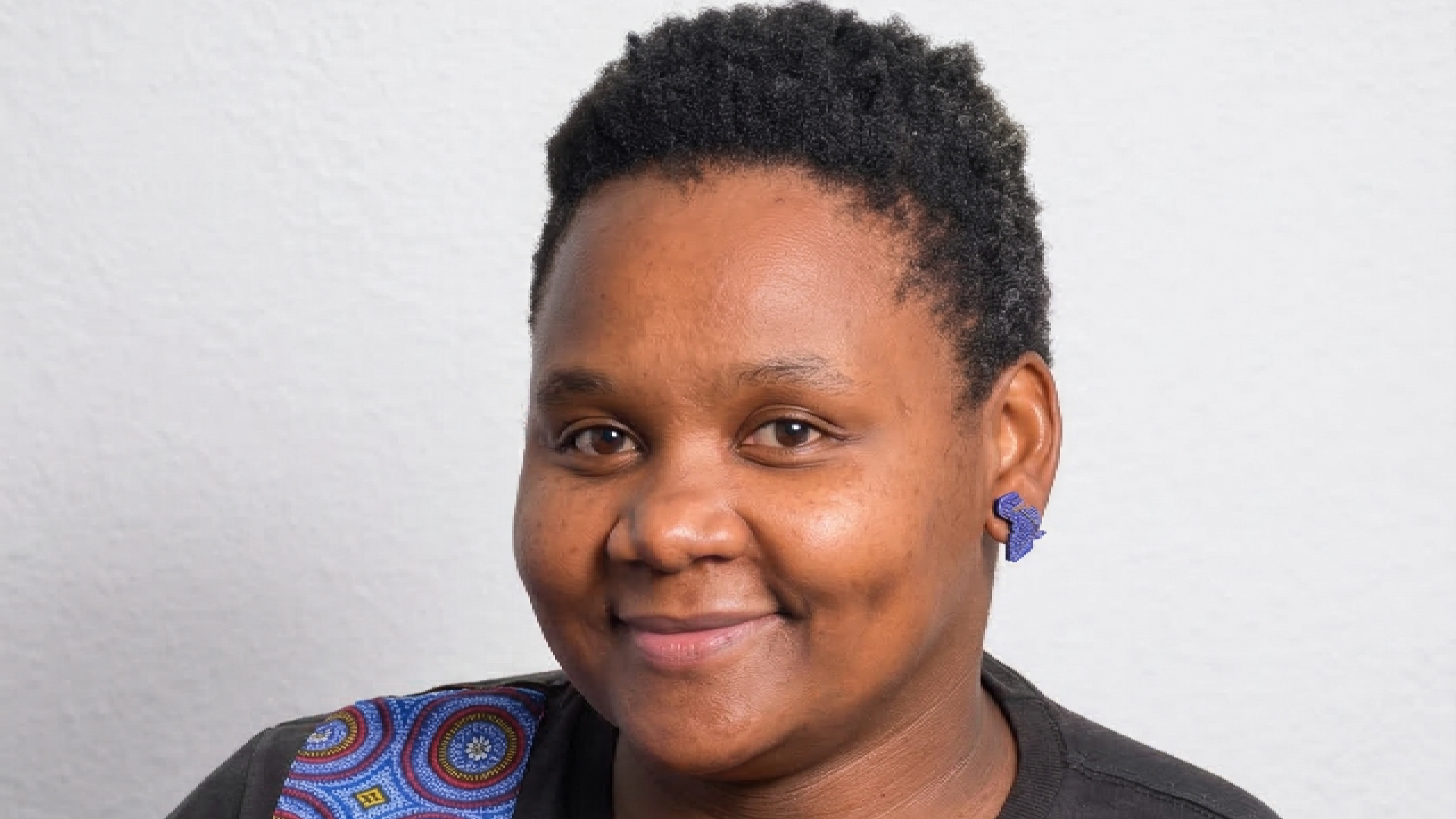
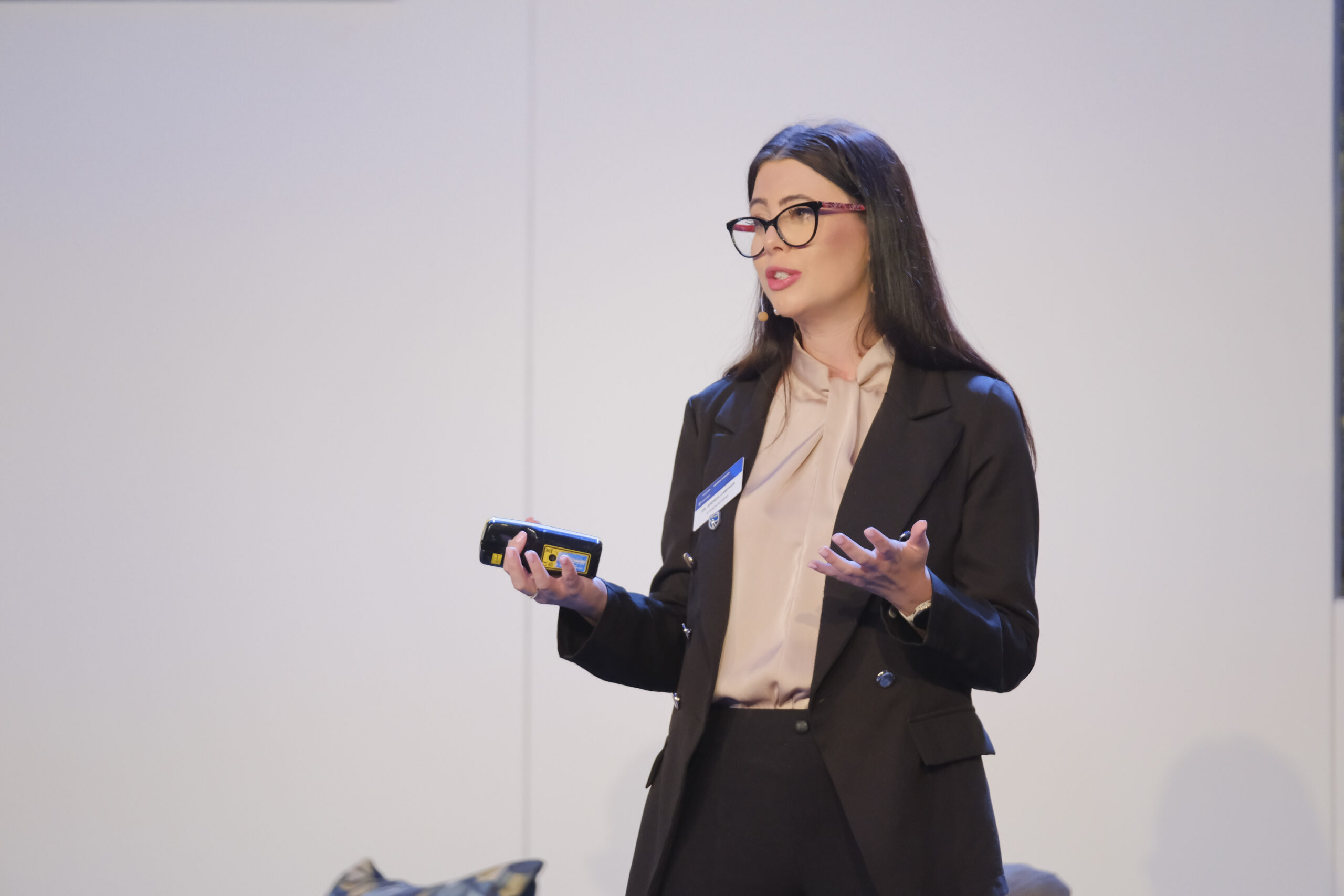
Leressa Samuels knows this reality firsthand. She and her husband acquired Northcliff Pre-Primary—a school with a near-50-year history—just months before the Covid lockdowns hit. What followed was a crash course in leadership, accountability, and emotional labour, offering a rare and honest view into one of society’s most demanding yet undervalued professions.
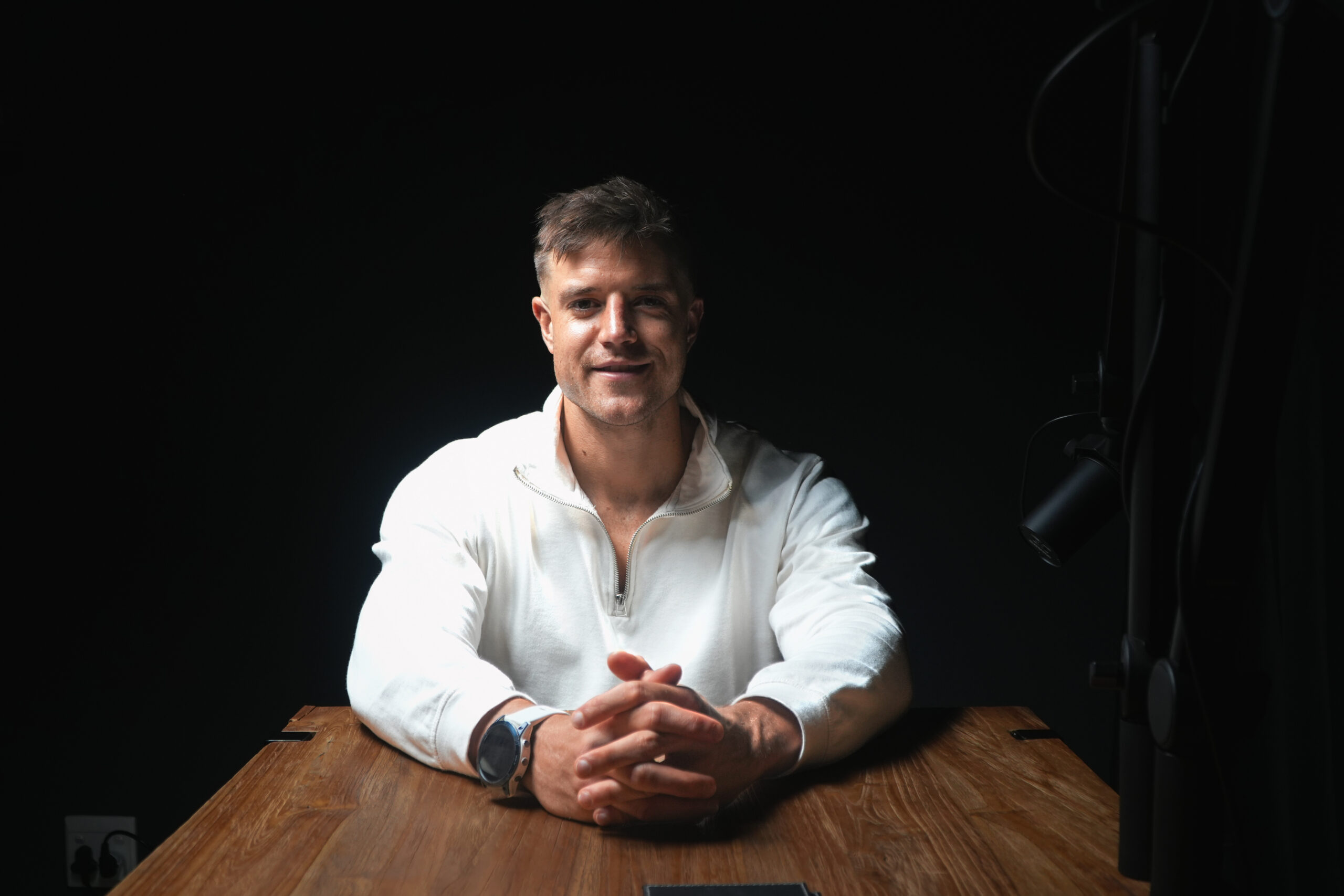
Bryan Welker and Stefan le Roux sat down with Leressa Samuels to explore what it truly takes to lead a pre-primary school, and why the earliest years of education may be the most consequential of all.
The Good Business Journal: Can you tell me about your childhood and early background?
I grew up in Port Shepstone and was raised in Oslo Beach on the South Coast. My father is a pastor, so I grew up in a very conservative household. I attended government schools locally before moving to Durban to study after high school.
I initially studied information technology and completed a diploma, followed by an internship with KFC in Port Shepstone. While I started in programming, my career gradually moved into administrative roles. I later studied project management and eventually completed a BCom in business management. That background shaped how I think about systems, people, and responsibility.
Stefan: How did that background lead you into education and school ownership?
There was always an interest in owning a business. My father ran his own business, and my mother ran a school, so education was something I grew up around. Combined with my passion for children and my understanding of how schools operate as businesses, it felt like a natural fit.
In 2020, my husband and I were looking for a second income stream. We came across an opportunity to acquire an existing pre-primary school in Northcliff. We didn’t have significant capital—just experience, and a willingness to learn. The school had been operating for decades, and we saw potential.
Bryan: You took over just before Covid. What was that like?
We officially took over in January 2020. By March, we were forced to close due to lockdown. We were first-time business owners with ten staff members and only seventeen children enrolled. When schools reopened months later, we had six children and ten salaries to pay.
Looking back, I genuinely don’t have a logical explanation for how we survived that period, only that it was by the grace of God. We paid staff from our own pockets and committed to seeing it through. We used that time to plan, strategise, and prepare for reopening. For the first three years, there were no profits—only rebuilding.
Bryan: How did the school recover?
We focused heavily on visibility and trust. We used free digital platforms, updated our website, ran Facebook campaigns, and leaned on word of mouth. Slowly, enrolment grew year by year.
Eventually, we expanded into school transport—a decision that proved critical. What started with one vehicle grew into four, now providing transport to over 80 families. That diversification helped stabilise the business and allowed the school itself to grow exponentially.
Stefan: Why do you think pre-primary education is so underestimated?
There’s a misconception that education begins with reading and writing. In reality, so much needs to happen before that—emotional regulation, socialisation, independence, responsibility, and communication.
This became very apparent after Covid; we saw children who had never played with other children before. Teaching a child how to share, how to exist in a group, how to express emotions, and how to care for themselves is foundational work. Without it, academic learning becomes much harder later on.
Stefan: What would you say is one thing parents often overlook?
Many parents assume that education is solely the teacher’s responsibility. It’s not. It’s a shared responsibility.
Those early years cannot be recovered. From birth to seven, foundations are laid that children will always return to. Parents being involved—making learning fun, understanding where their child is developmentally, and reinforcing values at home—makes an enormous difference.
Bryan: How do you approach hiring and leadership?
Qualifications matter, but heart matters more. You can train skills, but you cannot teach someone to genuinely love children.
Our culture is family-oriented. I take time to get to know staff as people, not just teachers. I lead by example, remain present, and handle parent issues personally. That accountability builds trust—with staff and parents alike.
Stefan: Parents are naturally protective and emotionally invested, which can make any difficult conversation a potential flashpoint. How do you navigate that?
The children are often the easy part.
I’ve learned to listen first. Parents are emotionally invested and rightly so, but if they feel heard and see genuine effort to improve, trust builds. Every difficult situation has been an opportunity to strengthen the school, not weaken it.
I remain the face of the business. I shield staff from unnecessary conflict and take responsibility. That trust is why the school has grown.

Stefan: What has working with children taught you personally?
Patience, calm, and compassion.
Correction without understanding doesn’t change behaviour. When children understand why something is wrong and how it affects others, correction becomes meaningful. Watching experienced teachers model that approach has changed how I parent and how I lead.
There are also moments that remind you just how high-stress this environment can be. Not long ago, I saw a teacher sprinting across the playground carrying a child with red stains on her face, shouting for people to move. In that split second, your mind goes to the worst—you think a child is seriously hurt. Only when we reached the bathroom did we realise it was sand that another child had kicked into her mouth, making it look far worse than it was.
She was fine, but the surge of panic and responsibility in that moment was very real. That’s something pre-primary teachers carry daily, even in moments when nothing ultimately goes wrong.
Bryan: What advice would you give aspiring entrepreneurs?
Don’t wait for perfect conditions. You’ll never feel ready.
Start, commit to learning, and be patient. We told ourselves from the beginning that the first three years were about building—not profit. That patience made all the difference.
Stefan: Finally, what gives you hope about South Africa?
Our people.
Despite everything, South Africans remain warm, relational, and family-orientated. That sense of community is rare and valuable. It’s the reason we stay, and the reason we believe this country remains deeply investable—not just economically, but socially.
Bryan:
Pre-primary education rarely produces visible milestones that can be measured or celebrated in the moment. Its impact unfolds years later, in how children relate to others, regulate their emotions, carry responsibility, and step into the world. The work demands constant vigilance, emotional resilience, and a level of accountability few professions carry—yet it remains largely unseen.
Through her leadership at Northcliff Pre-Primary, Leressa Samuels offers a clear reminder that the most consequential work in society is often the least recognised. Long before careers are chosen or titles earned, futures are shaped by those willing to show up every day, absorb the pressure, and carry responsibility without applause. It is foundational work—and everything that follows depends on it.
Every week, The GBJ editorial team sits down with some of South Africa’s best. With a tenacity and spirit that can create success out of nothing more than a glimmer of hope, we believe South African businesses deserve a platform to tell their stories.
Born from WDR Aspen, The GBJ wants to ask you: how are you telling your story? Reach out and let us help you with your voice.