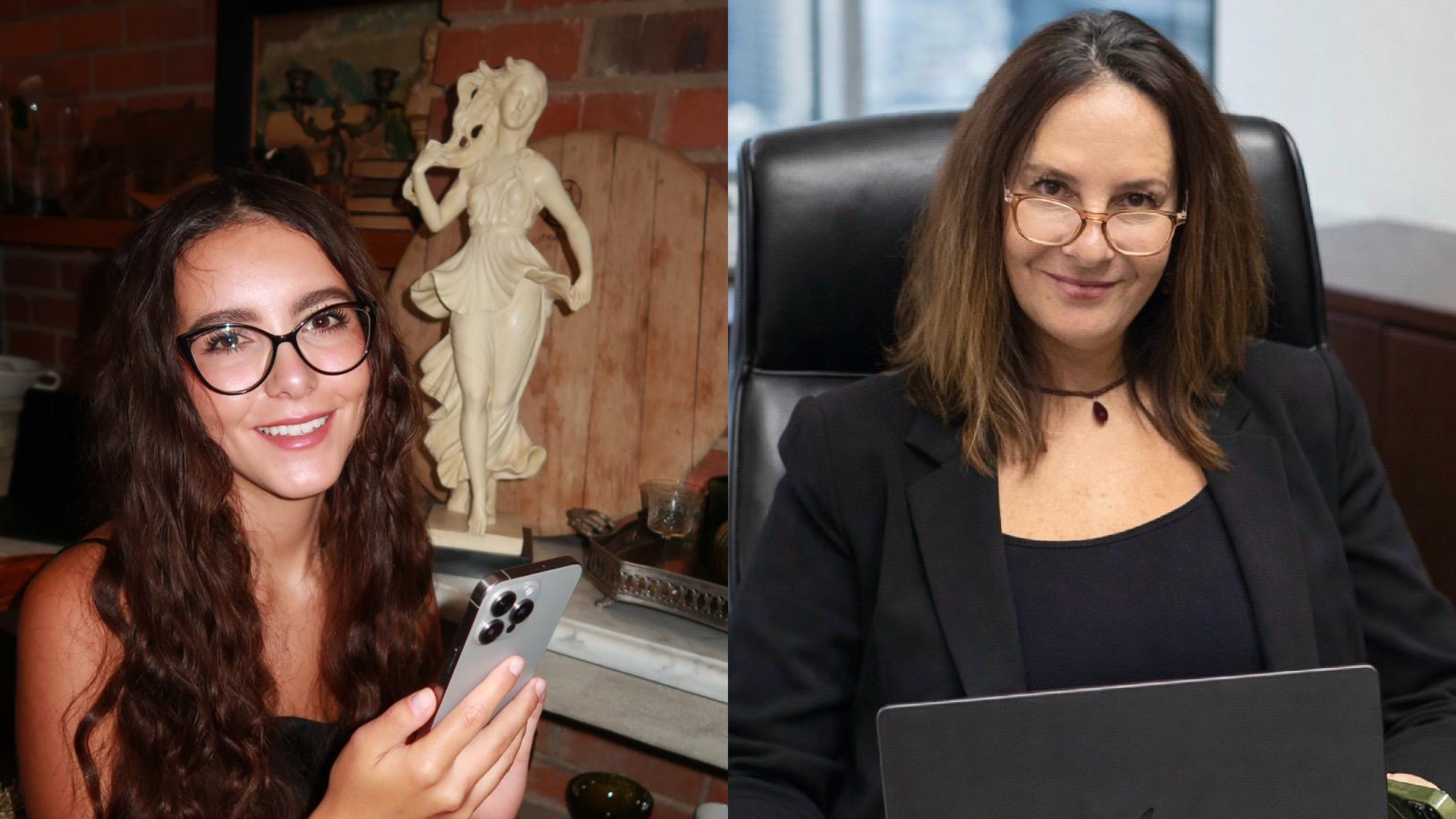
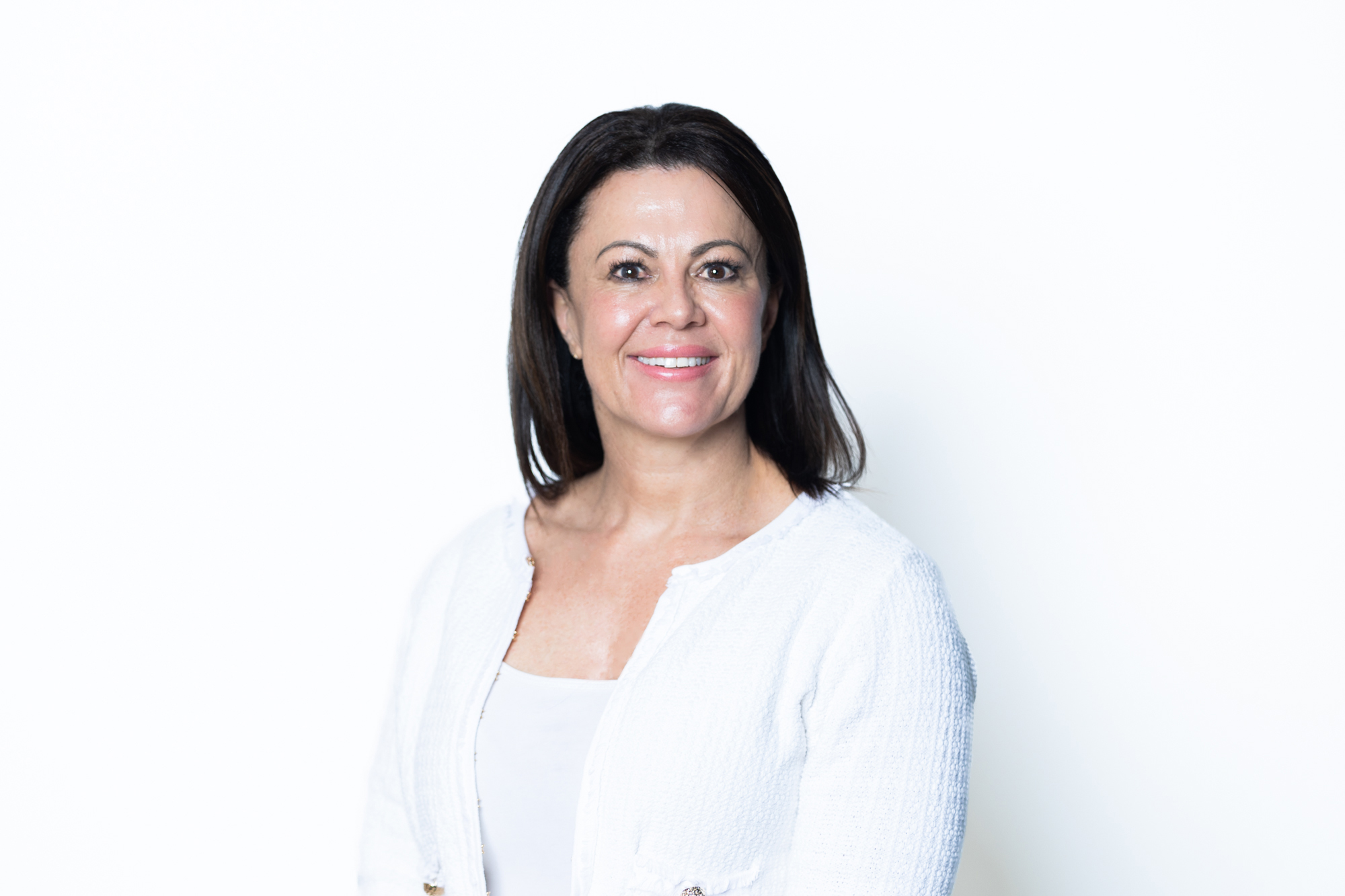
Janice Wagner leads the Edge Executive Search, a specialist executive search and consulting firm helping organisations secure future‑fit talent across South Africa and the wider continent. As CEO of Edge and Managing Director of Kestria South Africa, she represents the world’s largest alliance of boutique search firms—a network spanning more than 40 countries and 90 cities.
Kestria’s global reach, paired with Edge’s deep local insight, gives clients a single point of contact for world‑class executive search. Under Janice’s leadership, the business has become a trusted partner to multinationals, high‑growth companies, and organisations seeking specialised, future‑ready talent.
Her own story, however, begins far from boardrooms and global alliances. It starts with a challenge many would consider a setback: growing up with a learning disability that separated her from other students until Standard 4. Instead of breaking her confidence, it galvanised her instinct to fight. Years later, after a decade at PwC, a High Court case, and an unexpected job loss, she found herself at home with no income, a suit she put on every morning, and a cat who served as her only colleague. For nine months, not a single rand came in.
But grit has a pattern; it compounds. The stranger who read about her in the newspaper became the person who opened her first major client. That client sustained the business she would grow, pivot, rebuild, and re‑imagine for the next 14 years.
Bryan Welker and Stefan le Roux sat down with Janice to explore her views on resilience, leadership, the evolution of Edge within Kestria, and her belief that South Africa—and the broader continent—still holds limitless opportunity for those willing to work.
The Good Business Journal: To start at the beginning—where does your strength come from? That instinct to fight.
Janice:
It’s from growing up with a learning disability. There were 23 of us, and we weren’t allowed in class with the other kids. We had class in the foyer until I was in Standard 4. So in my mind, I wasn’t “normal,” and that made me fight. I’ve always been a fighter.
Bryan: I always say the most important characteristic of an entrepreneur is grit—the ability to get back up. It sounds like that was always in you.
Janice:
Yes. My first professional ambition was to be a partner at an audit firm; that was the path for 10 years. But when that didn’t materialise, I moved into recruiting. I worked for an agency for three years, and when I wanted to leave, they took me to court. It was the first social networking case in the country, actually. We ended up in the High Court, and I won, but I was now without a job. My father wanted me to go back to accounting, but I told him, “Give me a year to start my own thing and figure it out.” For nine months, I earned nothing. Not one rand. Only at month nine did it turn, and that was 14 years ago.
Bryan: What did those nine months actually look like? What was your routine?
Janice:
Well, I didn’t take weekends; I still don’t take weekends off. I worked nights. I woke up every day, put on a suit like I used to at PwC, and went upstairs to the office—just me and my cat. In the beginning, I had to do everything by myself, and I wasn’t good at a lot of those things, but I did it.
Bryan: What was the turning point?
Janice:
Someone read about me in the newspaper, met me, and said I needed help. He opened our first client, and he and many of those first clients have stayed in my life since then.

Every year on the business’s birthday, we congratulate the cat because he’s still alive and a part of the team.
Bryan: Do you feel like you’ve made it? Or do you still feel like you’re grinding every day?
Janice:
Do entrepreneurs ever feel like they’ve made it?
Bryan:
Fair enough. I’m the same. I don’t think I’ll ever feel like I’ve made it. That’s why I get up every morning and run up the mountain; I call it mental flossing. Do you do anything similar to keep your focus sharp?
Janice:
I spend an hour at the gym every morning. No one there cares what I do so I can just be myself. No one asks what I do. I don’t ask what they do. I spend an hour with friends, and then I can go to work and be who I need to be there.
Bryan: How do you describe your business today?
Janice:
It’s pivoted so many times. You have to pivot with the industry. When COVID hit, recruitment in South Africa died because everything here was in‑person. I had my staff disinfecting buildings just so I could keep them.
Then we pivoted again. At the start of this year, I said: We go back to what we’re good at—executive search. I focused on automation, differentiators, and processes. I’m not a process person, so I brought in someone who is.
Bryan: That’s true for every business. At some point, it becomes people and processes.
Janice:
Exactly. I’ve had 13 years of “the business is me.” But if I want to retire, the business has to stand on its own. You can only sell a business with documented processes, KPIs, and systems. Otherwise, there’s nothing to sell.
Stefan: Many people we interview say the transition from practising to owning a business is obviously very jarring. How did you tackle it?
Janice:
It was humbling. At PwC, the brand sold itself—I never had to sell. I thought clients would follow me. They didn’t. I didn’t know how to cold call and ask people out for a coffee, but no one wanted to have coffee with me!
I didn’t understand business like I thought I did, so I had to start from the bottom again. And, even as a CA with a master’s in tax, I learnt more about tax from running my own company than I did from my degree.
Every couple of years, I start at the bottom again and learn.
Stefan: Circling back to your experiences in school, did you eventually shed your identity as an outsider?
Janice:
Yes, things change with age. Next year I turn 50, and recently I realised I don’t actually care what people think. It’s one of the best things I’ve experienced—not needing approval.
Bryan: It’s not the type of question I like asking, but I’m genuinely curious—what has it been like being a female entrepreneur in Johannesburg?
Janice:
It was harder in the beginning. A man can get into a male CEO’s office more easily. I also have to have very strict boundaries. I don’t do evening drinks with clients to avoid confusion—only breakfast or lunch, which is something my male counterparts don’t need to worry about necessarily.
Also, I believe that you are your own brand, and there is a higher standard placed on women when it comes to maintaining that brand. For example, you won’t see me anywhere in public without me looking my best, not even if I am popping down to the shop to get some milk. Because chances are I’ll run into a client and I will be judged accordingly.

Bryan: If you had the option, would you trade it in?
Janice:
Not a chance, I’ll never give up my stilettos!
Bryan: What makes a good recruit today?
Janice:
Resilience. Especially in South Africa. And attitude. I’m not worried about your CV. I want to know you. I can teach anything depending on your attitude. I also look for whether we gel, but I’ve also learned not to hire too many people who are like me—I try to build diverse teams.
Stefan: We hear so much negative news about South Africa. What do you think is the most positive thing about the country right now?
Janice:
I have options to leave, and I never would. I love my lifestyle. I love my clients. People here are warm. People are willing to help. The man who helped me 14 years ago is still in my life. If you want to work hard and make money, this is the best market to do it in.
Stefan: What’s your favourite thing about South Africa from a recreational point of view?
Janice:
I love my routine—gym, boxing, but I also love adventure. I recently did a 4×4 course and went to Zimbabwe and did the Mana Pools canyon route—long drop, no shower for three days! I loved it. Where else in the world can you be in a high-paced corporate setting like Joburg and only a few hours’ travel later, be in the most world-renowned outdoor setting surrounded by The Big 5? Only in South Africa!
Stefan: What’s the broader outlook for Africa? Kenya, Botswana—it seems like a lot is changing.
Janice:
If you want to make money, move into Africa now. South Africa is a known quantity, but the rest of Africa is untapped.
They’ve never experienced executive search. You take what we do here and bring it there—you’ll be successful. A lot of multinationals are moving in.
Bryan: What advice would you give a young entrepreneur?
Janice:
Get through the first year. It’s going to be tough and humbling. But get through it. Be honest. Give your best service. It pays off. For years, I never had marketing—it was word of mouth.
One turning point for me was a client who refused to give me business. I asked why. She said, “Because you’ve never asked me about my family.” It was a lesson I needed. People want you to care. Now I keep a book in my car—your kids’ names, your routine, your details—because I remember those things next time I see you.
Bryan: One last one, what do you see in the next 10 years?
Janice:
For the business, I want it to double. I want Edge Executive Search to stand on its own two feet when I eventually leave. And I want to expand further into Africa.
Janice Wagner’s story is a reminder that entrepreneurship doesn’t begin with funding, connections, or luck—it begins with character. From being placed outside the classroom as a child to starting her company with no income for nine months, she has built a career on the ability to get back up, reinvent, and fight again.
Her lessons are simple but hard‑won: show up every day, care about people, build systems that outlive you, and trust that South Africa—for all its challenges—rewards those who work. She embodies the GBJ mission: proving that the country is full of grit, talent, possibility, and people who choose to stay because they see what others overlook.
Every week, The GBJ editorial team sits down with some of South Africa’s best. With a tenacity and spirit that can create success out of nothing more than a glimmer of hope, we believe South African businesses deserve a platform to tell their stories.
Born from WDR Aspen, The GBJ wants to ask you: how are you telling your story? Reach out and let us help you with your voice.