
Stefan:
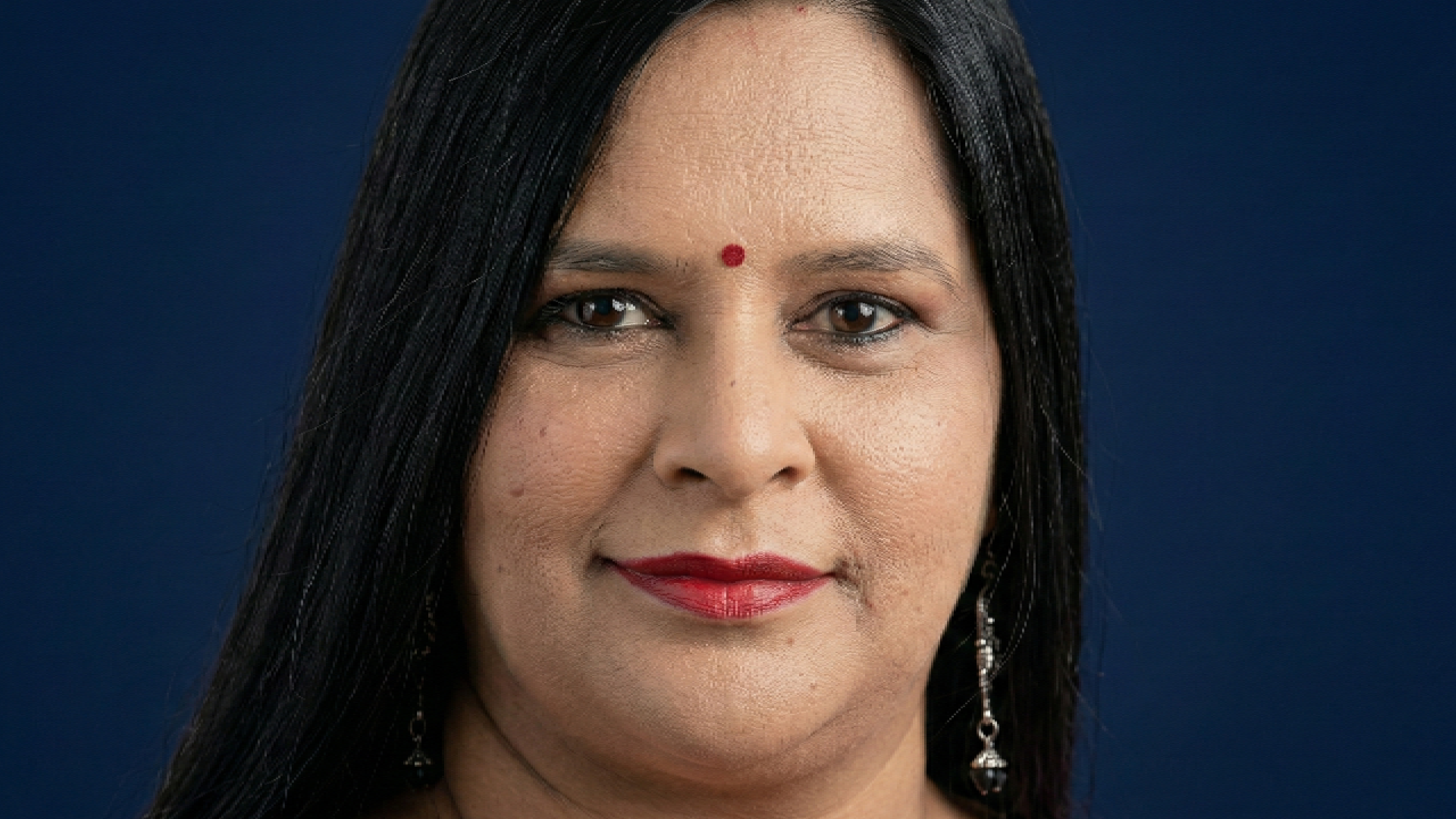
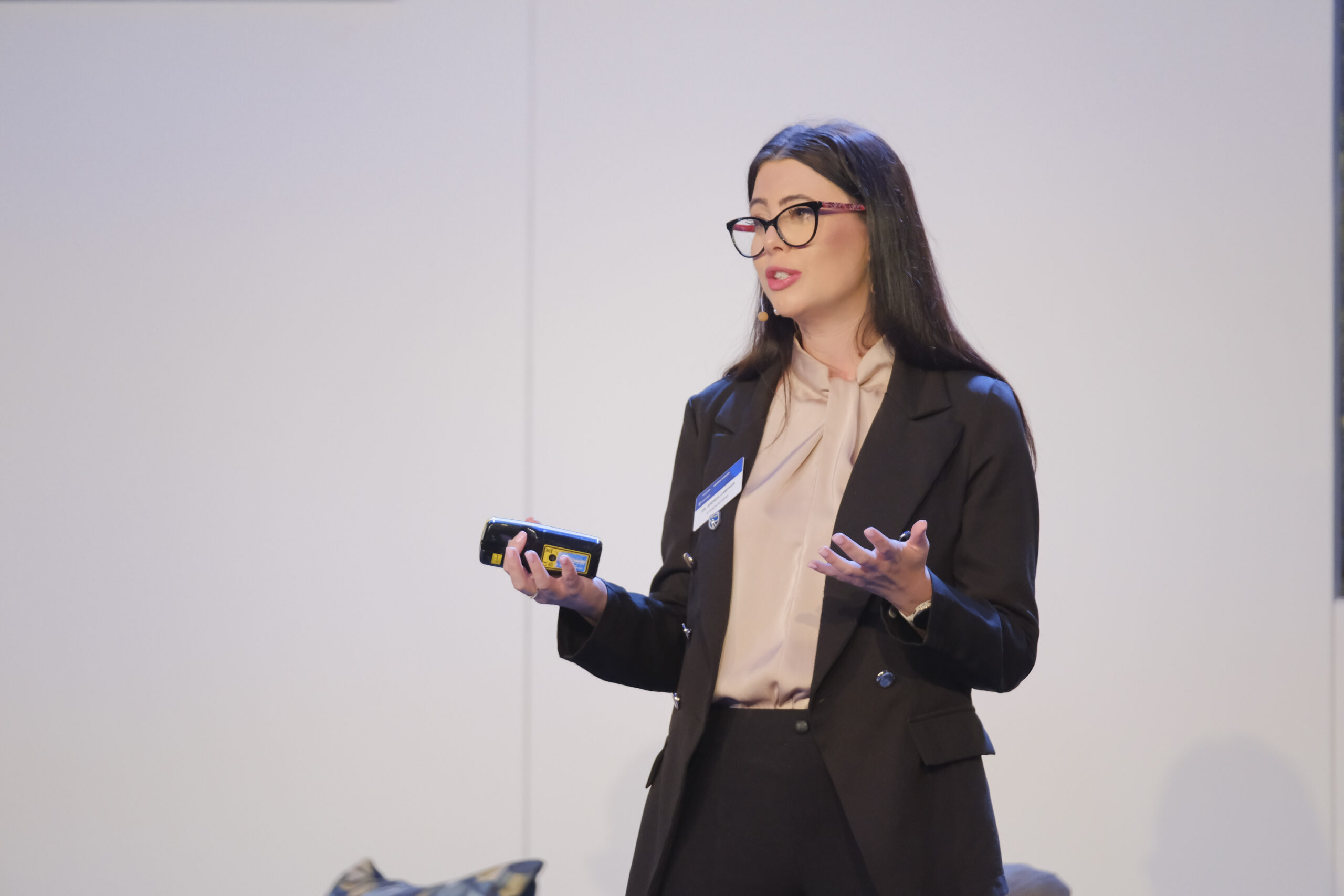
Tee Pillay’s path began in finance but has since expanded into the architecture of human connection.
Raised in Durban in a household shaped by two medical doctor parents, she grew up with discipline, structure and a strong emphasis on education. She completed a finance degree and a Master’s in Risk Management of Financial Markets at the University of Cape Town before entering Absa’s Corporate and Investment Bank in the Global Markets Division. It was a high-pressure environment that sharpened her decision-making skills early.
During the pandemic, she began creating humorous, deeply relatable skits about South African life. What started as a creative release evolved into a following of over 100,000 on TikTok, with a combined following of over 200,000 across social media platforms.
But behind the numbers was a pattern she couldn’t ignore.
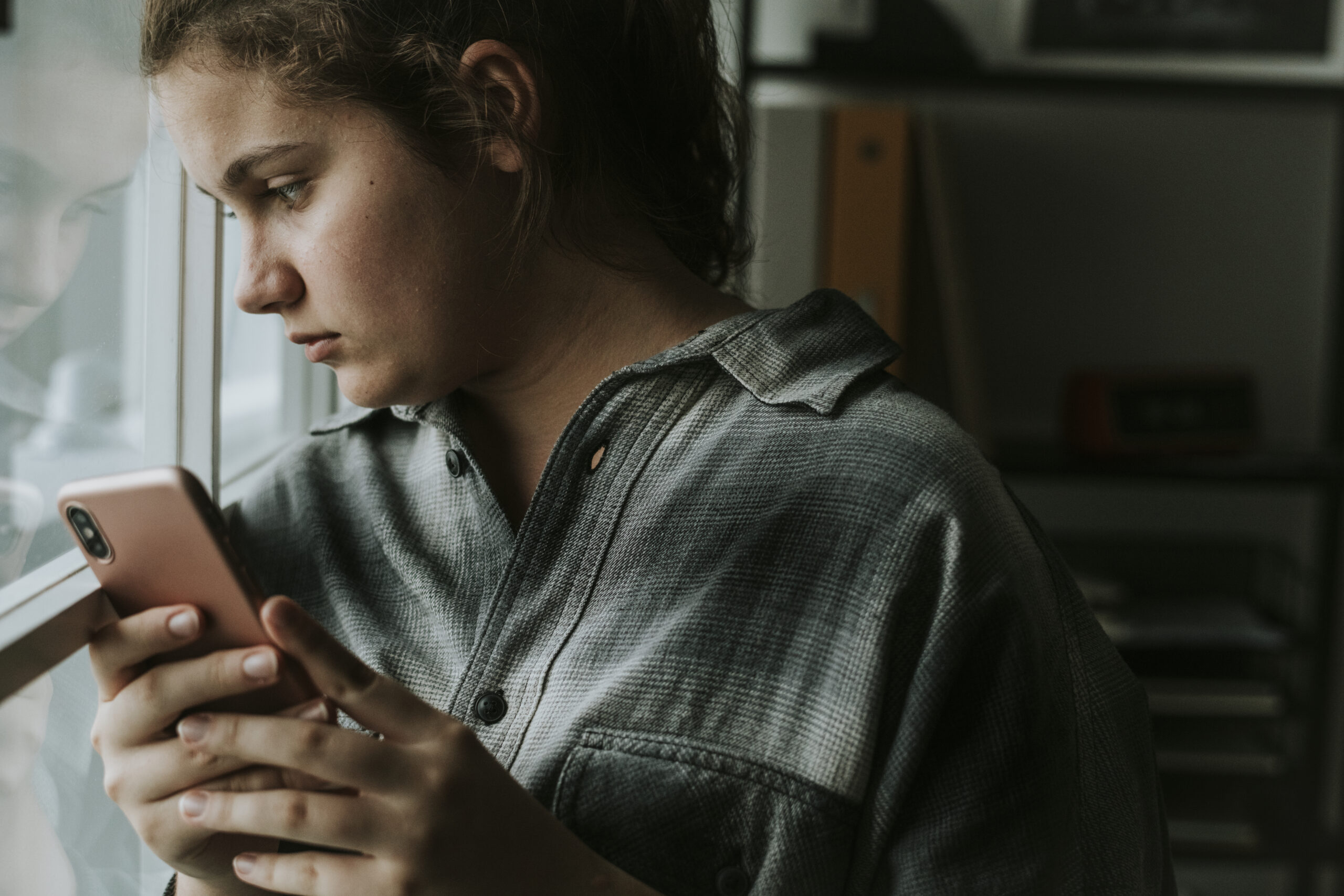
The content that resonated most wasn’t spectacle—it was connection. And increasingly, the comments reflected something deeper: people felt seen online, but alone offline.
Today, alongside her brother and co-founder, Sed Pillay, Tee is building Groops—a community network designed to address what many now recognise as a growing loneliness epidemic.
Stefan le Roux sat down with Tee Pillay to have a conversation that moves beyond virality and into something more urgent: how do we design belonging in an AI-driven world?
The Good Business Journal: We’re more digitally connected than ever. Why are so many people feeling disconnected?
Tee:
Because digital interaction isn’t the same as meaningful connection.
Social media has reduced communication to likes, swipes and short-form validation. You can feel visible without feeling known. The content that performed best for me was always relatability—family dynamics, friendships, shared frustrations—which showed me people are hungry for connection.
But relatability in a comment section isn’t the same as sitting across from someone and feeling understood.
There’s a gap between engagement and belonging. That gap is growing.
Stefan: Do you believe loneliness is a generation problem?
Tee:
I do.
If previous generations faced physical health crises driven by lifestyle and diet, our generation may be facing a relational one. We are hyper-connected but structurally isolated.
We move cities for opportunity. We work remotely. We delay marriage. We leave school and university, where social structures are built-in, and suddenly we’re expected to build community from scratch.
That’s not easy.
And we’re now layering AI and automation on top of that—reducing even more micro-interactions in daily life. Self-checkouts. Remote work. Algorithmic feeds. Small human touchpoints are quietly disappearing.
Those micro-interactions matter more than we realise.
Stefan: How do you plan on helping solve the problem?
Tee:
We’re building a community network, and it’s called Groops.
The intention is simple but structured. You input your interests, hobbies, values and what you’re looking for—whether that’s a padel group, a book club, people in a similar life stage, or even something niche like an anime group.
Our system matches you into small, compatible groups based on personality alignment and shared interests. The goal isn’t endless chat. It’s real-world meetups.
We want to lower the friction between wanting connection and forming it.
Stefan: Why focus on groups instead of one-on-one matching?
Tee:
Because belonging often happens in groups.
Groups reduce pressure. They create shared energy. They mirror how we naturally formed friendships growing up—through teams, classes, clubs.
We’ve researched group dynamics, optimal sizes and personality balance. This isn’t random matching. It’s designed around how humans actually bond.
Stefan: There’s an irony here. You and your brother, Sed Pillay, built careers on social media—and now you’re building something that encourages people to step away from it and reconnect with the real world.
Tee:
We’re aware of that.
Social media gave us reach and opportunity, and we’re grateful for it. But being inside that ecosystem also made us see its limits.
We saw people in our comment sections forming connections organically. That validated the idea. But it also made us realise most people don’t have a following to leverage.
Connection shouldn’t depend on visibility.
If anything, our experience gave us insight into both the power and the shortcomings of digital platforms. Groops is about using technology to facilitate human interaction—not replace it.
Stefan: Could Groops be used within institutions like universities, hospitals, or companies?
Tee:
Of course.
There are university students surrounded by thousands of peers who still struggle to form close friendships. There are hospital recovery patients and families who need support groups. There are companies with employees across departments who share hobbies but never meet.
If organisations can use Groops internally—to create hobby groups, wellness circles or interest-based communities—you improve morale, retention and mental health.
Belonging shouldn’t be accidental. It can be designed.
Stefan: Is there something about being South African that uniquely positions you to develop a platform like this?
Tee:
When you leave South Africa, you realise how naturally we connect here.
In South Africa, strangers talk to each other in the streets. We have micro-interactions at grocery stores. We laugh at ourselves. There’s an embedded understanding of Ubuntu—“I am because we are.”

Groops feels like a technological extension of that instinct.
We want a global mindset, but we’re proud that this concept is incubated in Africa. There are far too many people in the world for people to feel alone. And South Africans, culturally, understand community deeply.
Stefan: Connection is powerful—but so are the risks. How are you thinking about safety?
Tee:
Safety is foundational for us.
We’re very aware that any platform facilitating real-world meetups carries responsibility. Both Sed and I have experienced our own profiles being duplicated or impersonated online, so we understand how vulnerable digital spaces can be.
We’re building strong authentication processes to ensure users are who they say they are. We’re also exploring partnerships with established physical venues—coffee shops, restaurants, sports facilities—so meetups can happen in secure, public environments.
Particularly in the South African context, prioritising safety for women is non-negotiable. That’s why we’re rolling out intentionally, starting with adults, refining systems carefully, and not rushing scale at the expense of trust.
Belonging only works if people feel safe enough to show up.
Stefan: Where is Groops now?
Tee:
We’re in the startup phase—pitching for pre-seed funding, and preparing for a controlled launch to a subgroup of over 1,000 people who signed up to our waitlist.
This year is about iteration. Ensuring safety. Refining matching systems. Building responsibly.
We don’t want to rush something that touches something as sensitive as human connection.
Stefan: If you zoom out—beyond Groops—what does success look like in tackling loneliness?
Tee:
Success would be normalising intentional connection.
Making it acceptable to say, “I’m new here,” or “I’m looking for people like me.” Lowering the social stigma around admitting you want community.
Technology will keep advancing. AI will keep evolving. But what differentiates us from machines is our humanity—shared experiences, empathy, perspective.
If Groops can help move people from isolation to belonging—even incrementally—that’s meaningful.
Because in the end, progress shouldn’t make us more efficient at being alone. It should make us better at being together.
Stefan:
What Tee and Sed Pillay and their team are attempting with Groops is not simply another platform, but a piece of social infrastructure. And in a country that has long understood the power of “I am because we are,” perhaps it makes sense that one of the counterweights to isolation would begin here.
Every week, The GBJ editorial team sits down with some of South Africa’s best. With a tenacity and spirit that can create success out of nothing more than a glimmer of hope, we believe South African businesses deserve a platform to tell their stories.
Born from WDR Aspen, The GBJ wants to ask you: how are you telling your story? Reach out and let us help you with your voice.