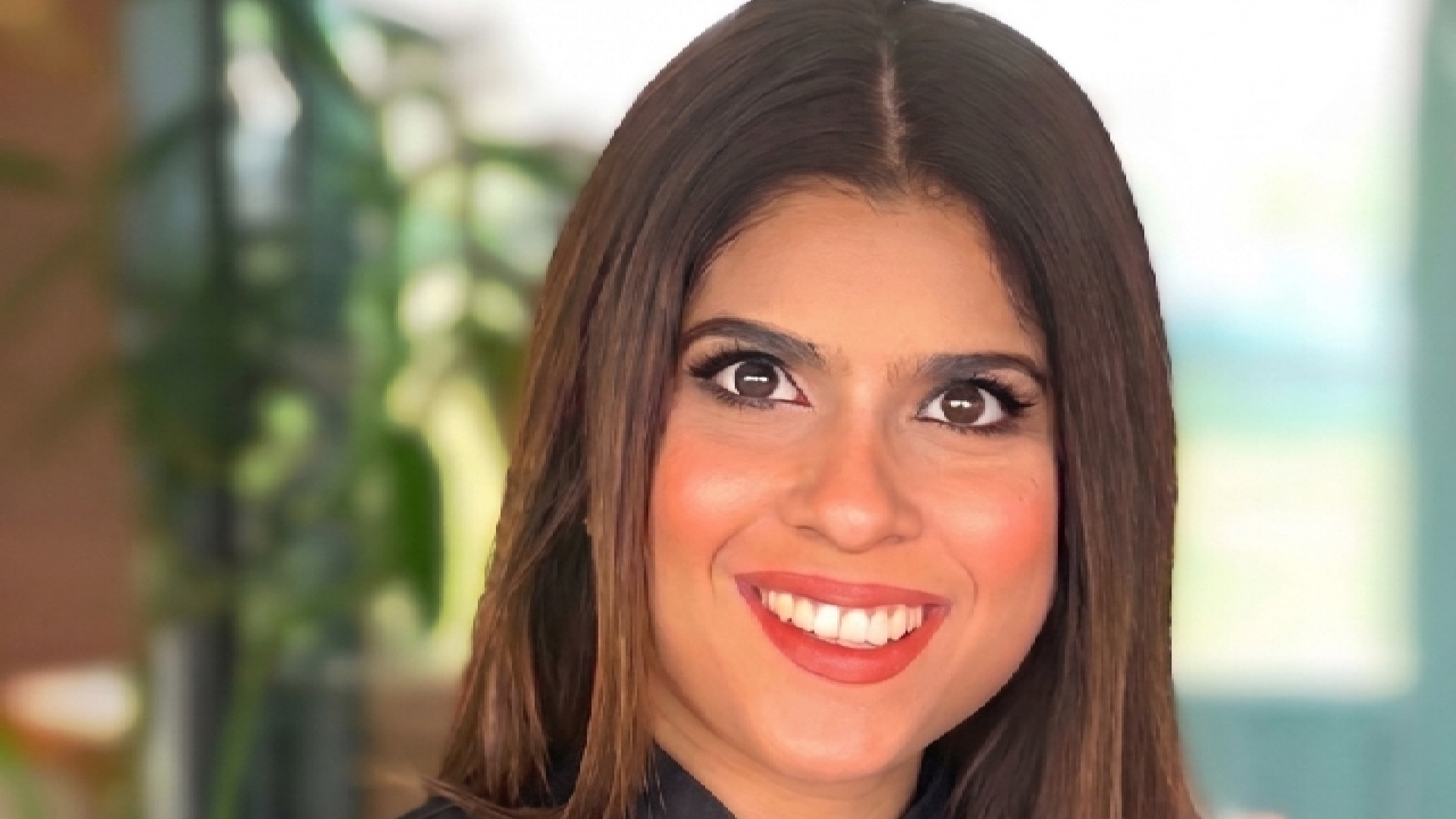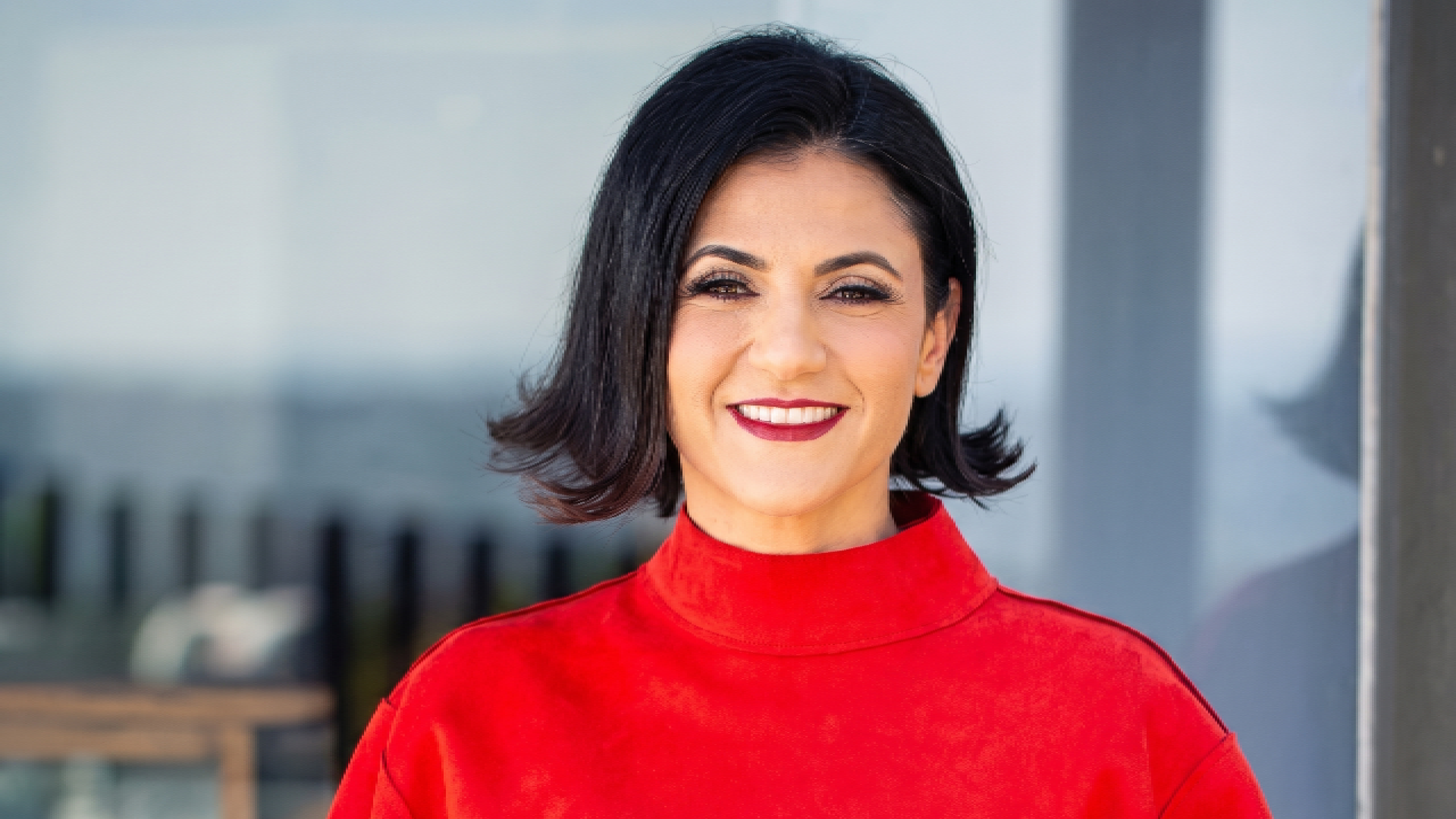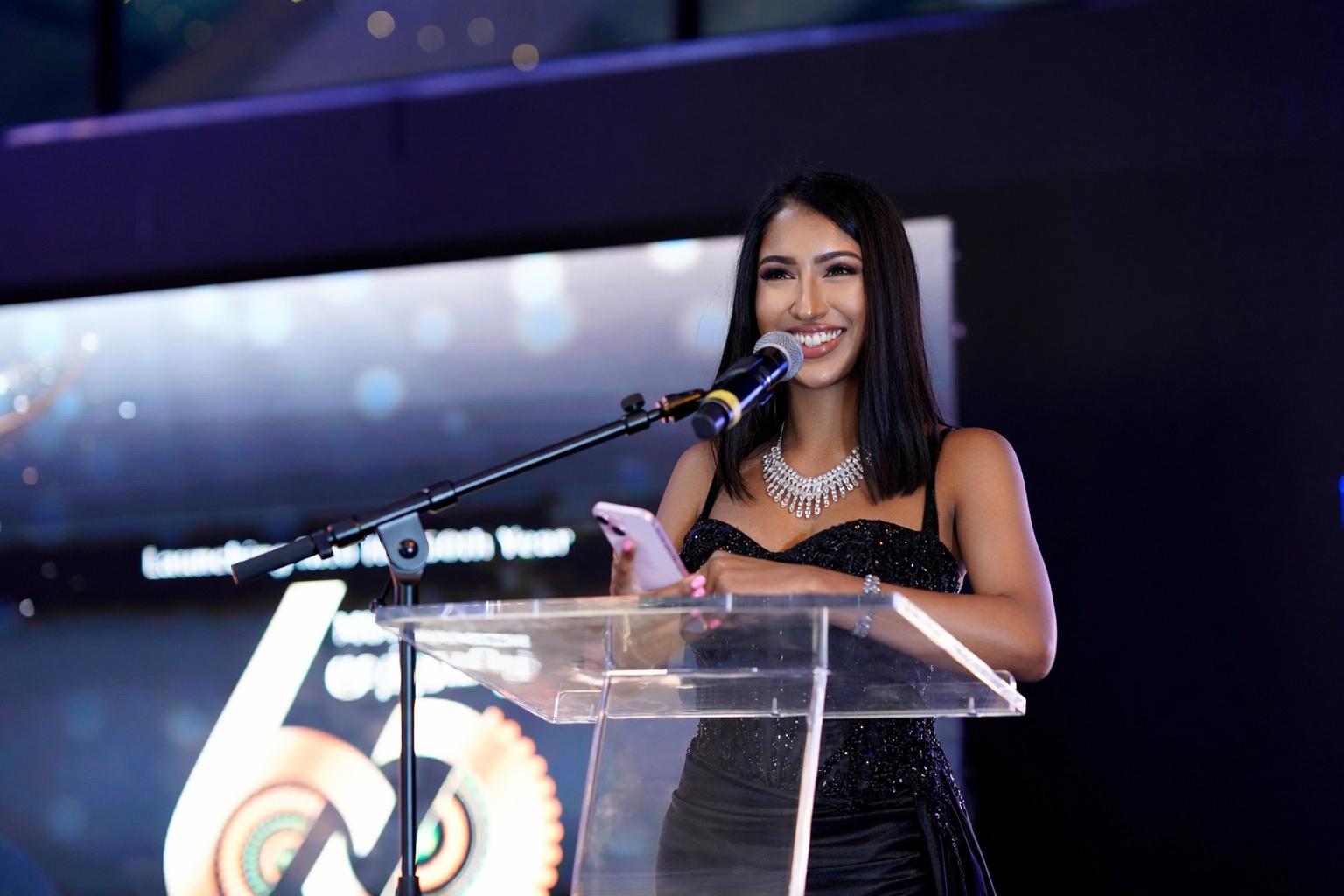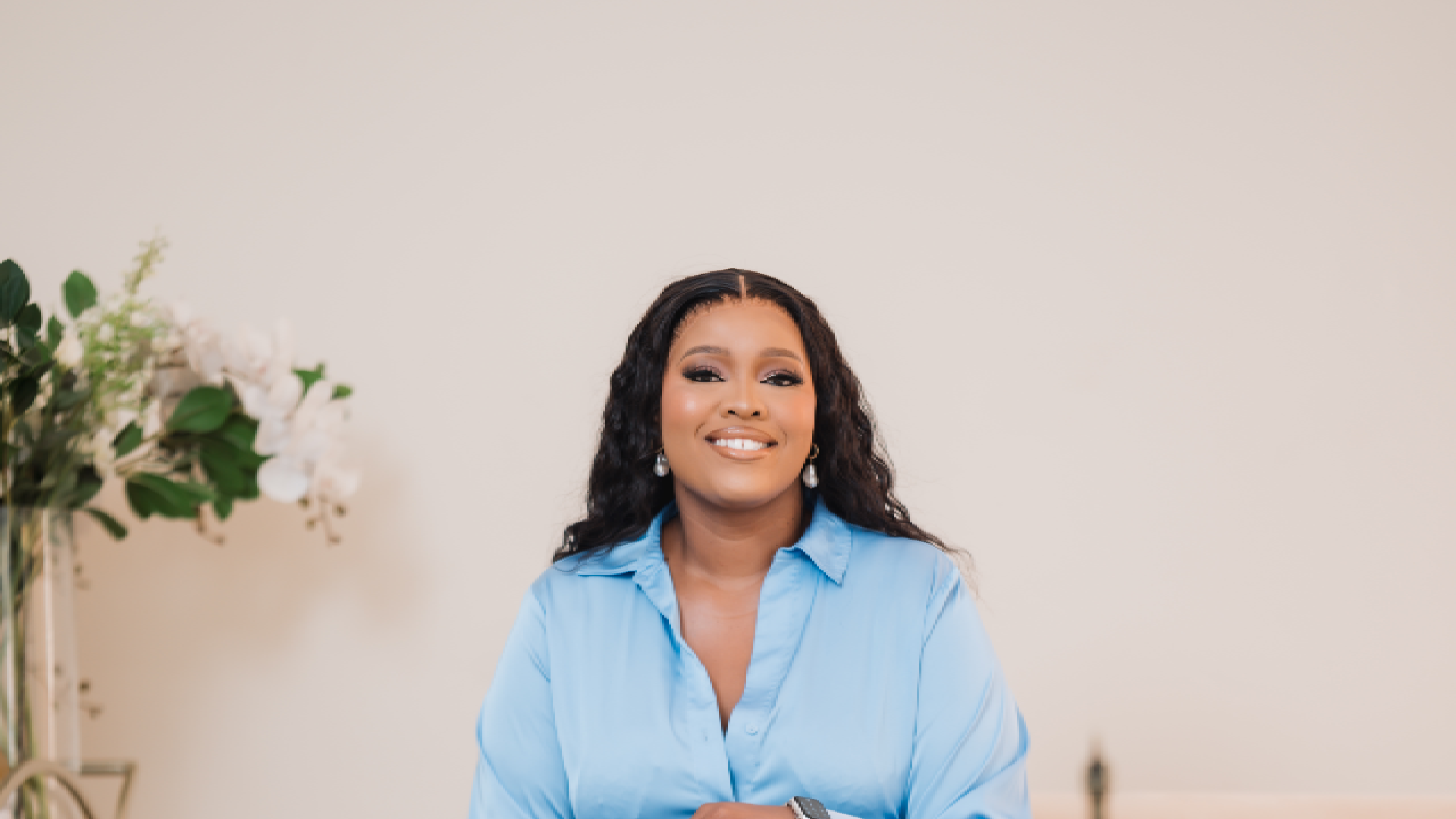
Yashmita Bhana is the Founder and CEO of Nihka Technology Group, but her story is rooted far earlier than technology or titles. It begins in a township marked by scarcity, violence, and displacement and a father who believed education was the only ticket out.
That foundation would shape everything that followed—from becoming the only woman on mining sites, to rebuilding after a business collapse caused by a breach of trust, to channelling hard-won experience back into community through education and inclusion. This is not a story of overnight success, but of learning, rebuilding, and choosing to build with intention when circumstances make it easier not to.
Bryan Welker and Stefan le Roux sat down with Yashmita to explore how childhood hardship, a career forged as the only woman in the room, and a series of defining setbacks shaped the leader she is today.
The Good Business Journal: Take us back to the beginning. Where were you born, and how did you grow up?
Yashmita Bhana:
I’m second-generation Indian. My grandfather came to South Africa on the ships, went back to India, started a family there, and then my father and his brothers came back to South Africa on the promise of opportunity.
Because of apartheid, they ended up in a coloured township outside Germiston when they arrived. There was no sanitation, no water—exactly like the townships today. It was also very violent.
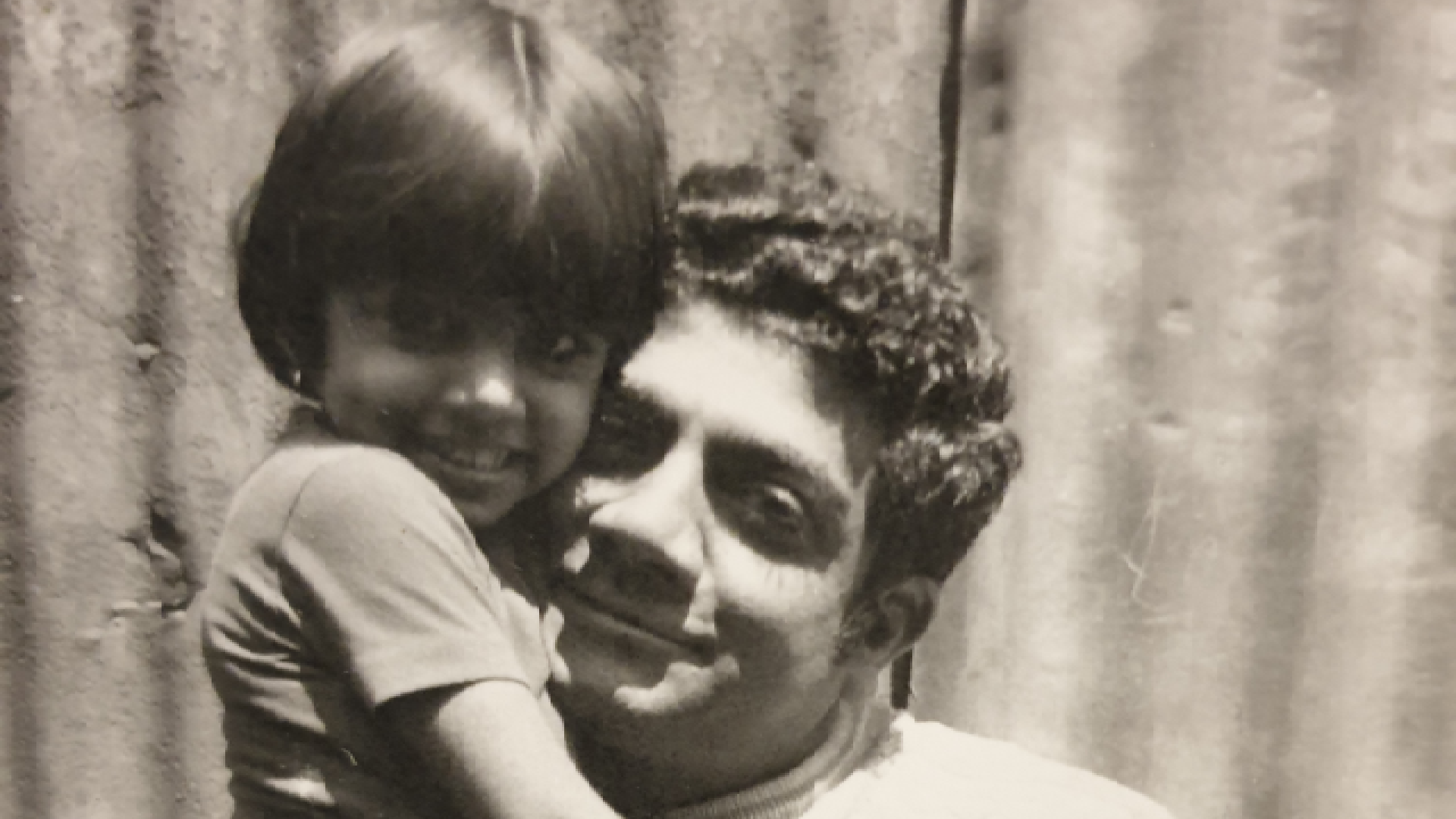
My father believed deeply that the way out of poverty was education. He was relentless about it. I have a brother who’s an attorney, a sister who’s an accountant, another sister who’s a dentist, and I went on to do a master’s in engineering. He made sure we were educated because he believed that would change everything for us.
Bryan: Can you tell us about your educational career?
Yashmita:
I went to a very rough high school in Benoni—our principal actually carried a gun because it was so violent. From there, I went to the University of Cape Town to do chemical engineering, but I missed home terribly and transferred to Wits to study civil engineering.
As you might guess, I was the only woman in my class. I’ve always been a builder. Even as a child, I never played with dolls. My father used to buy me toy cars and joke that I should have been his second son. Engineering felt natural to me.
I went on to complete a master’s in engineering and joined SRK Consulting, a mining consultancy. Through them, I worked across Africa—gold mines, platinum mines, even the tanzanite mine in Tanzania—building infrastructure and writing feasibility studies.
Again, I was usually the only woman on site. I shaved my head, wore boots, and drank chibuku with the mineworkers. I was just one of the guys.
Stefan: Your father did something quite incredible in managing to give you and your siblings an education. How did he manage to do it?
Yashmita:
My father started a small grocery store when he was very young—around 19. He worked from four in the morning until eight at night, every day, just to keep things going.
After he passed away in 2020, I wrote a piece about him, and people started reaching out to us with stories we didn’t even know.
One woman told us that when she was a schoolgirl, she’d stop at my father’s shop to buy sweets. She’d pay from a little box she carried. Later that day, when her father came to buy bread and milk, my dad would quietly give the money back and say, “Your daughter was here earlier—I don’t want her money.”
We realised then that he hadn’t just built a business. He had built a community. That generosity and dignity is where our values come from.
Bryan: Your father must have been very proud seeing you graduate with a master’s degree.
Yashmita:
Yes. I was actually finishing my master’s degree while working on a mine in Newcastle. When graduation came up, my director told me I couldn’t go because of deadlines, but I said I was going anyway.
My father had sacrificed too much for me to earn that degree and I wasn’t going to rob him of seeing me walk across that stage. So I went, but it cost me my job.
The week after I graduated, I got married, and two weeks after that, the same director phoned me and asked me to come back and finish the project. I told him I’d do it—but he’d have to pay me double. He agreed.
Stefan: How did you make the pivot from engineering to IT?
Yashmita:
After getting married, constant travel wasn’t sustainable. I joined Eskom during a period of transformation and was mentored by a senior leader who believed deeply in developing black engineers and women.
I became manager of the civil and building department, won awards, and eventually moved into IT after someone at the ceremony asked if I could do for the IT department what I did for the engineering department. I didn’t even know what a database was at the time, but I learned quickly.
Engineering teaches you how to think, that logic transfers into technology very naturally.
Bryan: Can you tell us about your entrepreneurial journey after Eskom?
Yashmita:
I co-founded a company with a partner, and for a time it was doing exceptionally well. We were growing, winning work, and building something that felt stable. I was deeply involved in the day-to-day running of the business and believed we were aligned on both values and responsibility. From the outside, it looked like a success story in motion.
When I returned from maternity leave after my second child, I discovered that the business had been financially destroyed. Large amounts of money were missing. The company was effectively insolvent.
My brother—who’s an attorney—sat me down and said I had a choice: I could spend the rest of my life fighting this man in the courts, or I could make a clean break and start again. He reminded me that I had skills, education, and the ability to rebuild. I chose to walk away, take the lessons, and start over.
I left as a director, and my husband and I sold what we could to settle the debts that had been created. We were left with nothing. There were moments when we didn’t have enough food or money to buy basic things for the children. It was devastating.
Stefan: How did you recover?
Yashmita:
On 1 March 2008, I resigned. On 2 March, I started Nihka Consulting Services.
I phoned someone I’d worked with at Eskom and told him, very plainly, that my children were hungry and I needed work. Two weeks later, he gave me a small project. That first contract changed everything.
Over time, we grew competencies—data, managed services, cybersecurity—and in 2016, we evolved into a technology group. Our consulting heritage remains central: we understand the business problem before we apply the technology. That’s been our edge.
Stefan: What do you look for when hiring people?
Yashmita:
Vibe. Always vibe before skills.
I can teach skills. Attitude is much harder to teach.
We give our candidates practical challenges—not because the answer has to be right, but because initiative and problem solving matters. Anyone can look up technical answers now, what matters is how you think.
Bryan: Do you have any words of encouragement for a young girl who wants to pursue a career in the STEM fields?”
Yashmita:
When I was coming up, there were very few women to look up to in these fields. I was often the only woman on site, working on mines alongside hundreds of men. In some cases, they had to build a separate ablution facility just to accommodate me because no one had ever planned for a woman to be there. That was simply the reality at the time.

I’m glad to say that that isn’t the case anymore, and girls today can actually see women working in engineering, in IT, in medicine, in construction—and that visibility matters.
I recently saw a social post that captured this perfectly. A woman named Jenny asked on Threads why some women don’t get manicures, and the comment section filled up with responses like, “Because I’m a diesel mechanic, Jenny,” or “Because I’m a neurosurgeon, Jenny,” or “Because I’m on site, Jenny.” I loved it because it showed just how many different ways women are building things in the world.
Women are natural builders and nurturers. If you can build a home, you can build a system, a company, a career. You already have it in you — you just need to find the right role model, or environment, that helps bring it out of you.
Bryan: I believe you have quite a remarkable story that involves climbing Kilimanjaro. Can you tell us about that?
Yashmita:
My husband and I had two kids already but around 2011 we wanted another daughter and we believed that adoption would be the path we would have to take. At the same time, I had always wanted to climb Kilimanjaro, and I felt strongly that if I was going to do it, it needed to mean something beyond a personal achievement. That’s when the idea came to combine the climb with raising funds for an orphanage and to help send three children to university to study engineering.
God had other plans though. Three days before the climb, I found out I was almost three months pregnant. I was 41 at the time. My husband and I had a long conversation about whether I should still go. In the end, he said to me, “You’re strong. Go.” So without telling anyone else about the pregnancy, I went and climbed Kilimanjaro, and 6 months later my daughter Dhiya was born.
Stefan: And how is she today?
Yashmita:
She was born with Down syndrome and significant health challenges, but the doctor confirmed that it didn’t have anything to do with the climb. Down syndrome is a chromosomal abnormality that occurs close to conception.
Doctors were also quick to tell us all the things she wouldn’t be able to do, but I didn’t care for what they said. She reads, writes, and does mathematics. She’s just like any other teenage girl—sassy included. Children only know their limits when society teaches them those limits.
About four years ago, we started the Dhiya Development Foundation to teach coding through analog puzzles in rural schools that don’t have access to computer labs.
Stefan: To close, what do you believe is South Africa’s greatest draw card?
Yashmita:
Our people—without a doubt.
There is no lack of talent here. Young people just need opportunity. If you give them a chance to show what they can do, they’ll blow you away.
There’s a warmth, a humanity in South Africa that isn’t rehearsed. Combine that EQ with innovation, and we’re unstoppable.
Yashmita Bhana’s story traces a clear line from education as a way out of poverty, to rebuilding after being undone by someone she trusted, to reinvesting her energy back into community. It is a reminder that what sustains a business—and a life—is not just technical skill or ambition, but the ability to learn, to start again when necessary, and to build in ways that leave others better equipped than before.