Stefan:
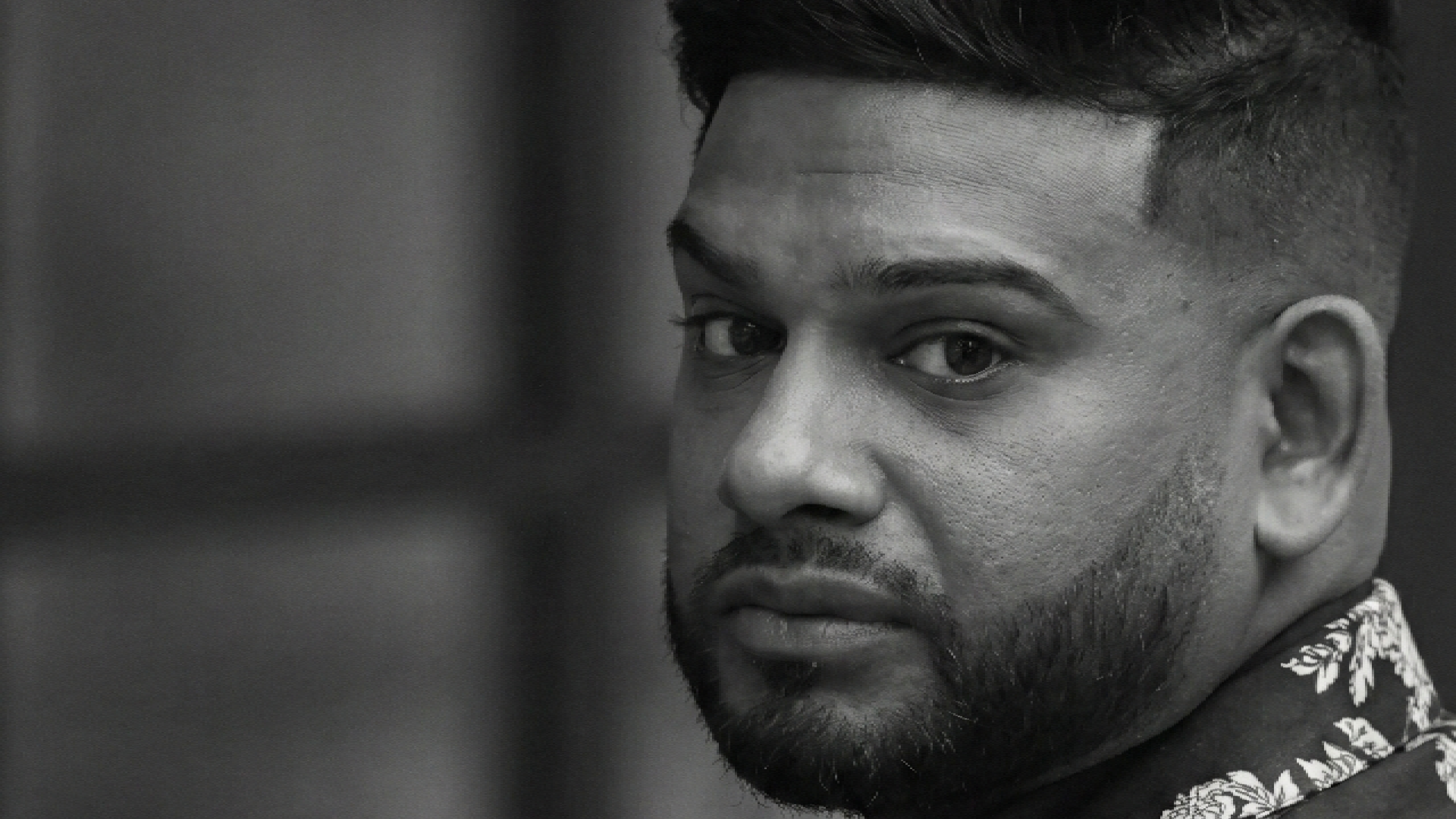
Ainsley Naidoo describes himself as a student who was a curious but non-academic—someone more drawn to understanding how things worked than to formal achievement. It’s a distinction he makes lightly, but one that hints at how he would later approach business.
After arriving in Johannesburg as a teenager, Moodley spent years moving through sales, customer service, and corporate environments. The progression made sense, yet something remained unresolved. A family connection to food sat in the back of his mind, present but undefined.
Eventually, he stepped away from corporate life to pursue an idea that would go on to shape his career. Today, Moodley leads a growing group of businesses spanning catering, engineering, and events—built steadily over nearly a decade through discipline, reinvestment, and operational focus.
Stefan le Roux sat down with Ainsley Moodley to discuss the realities of building a business from the ground up, the discipline required to sustain growth, and why systems—not individuals—ultimately determine whether a company endures.
Stefan: You were born in Durban and schooled in Chatsworth. What was that early period like for you?
Ainsley:
I was born in Durban, 42 years ago now, and I went to school at Monterena Secondary school chatsworth, Unit 7. To be honest with you, I was never really an academic. But I had a very inquisitive mind. I liked understanding how things worked.
I lived in Durban for about 17 years before moving to Johannesburg.
When I arrived, I studied part-time in international marketing management while working odd jobs. I answered phones, took messages, supported sales executives—that’s where I started picking up the rhythm of sales, customer care, and how businesses actually function on a day-to-day level.
From there, I worked across a few companies—Imperial Group, Samsung South Africa, Spartan Rental Technologies, and a few smaller firms. Over time, I realised I’d spent most of my life thinking about something else entirely: the food industry.
Stefan: What pushed you to finally make the jump out of corporate?
Ainsley:
One morning, I woke up and decided I’d had enough of corporate. My family comes from the food industry—my grandfather was a chef at the Maharani Hotel—but I never believed I could do something like that on my own.
I’d done research and thought I understood the market, so I called it a day with corporate and started my own business.
I quickly realised it was the hardest thing I’d ever done in my life.
I started the business with R1,000. That’s it. And at that point, you really ask yourself, is this for me, or do I go back into corporate? I decided I needed to persevere. I treated my own business the same way I treated a corporate job—waking up at four in the morning, being punctual, being disciplined, believing in myself, and showing up every single day.
For the first few months, there were only small wins. But they mattered. They showed me it could work.
Stefan: What were the biggest lessons in those early years?
Ainsley:
People focus a lot on being good at the craft—being a good chef, for example. But running a business is a completely different skill set.
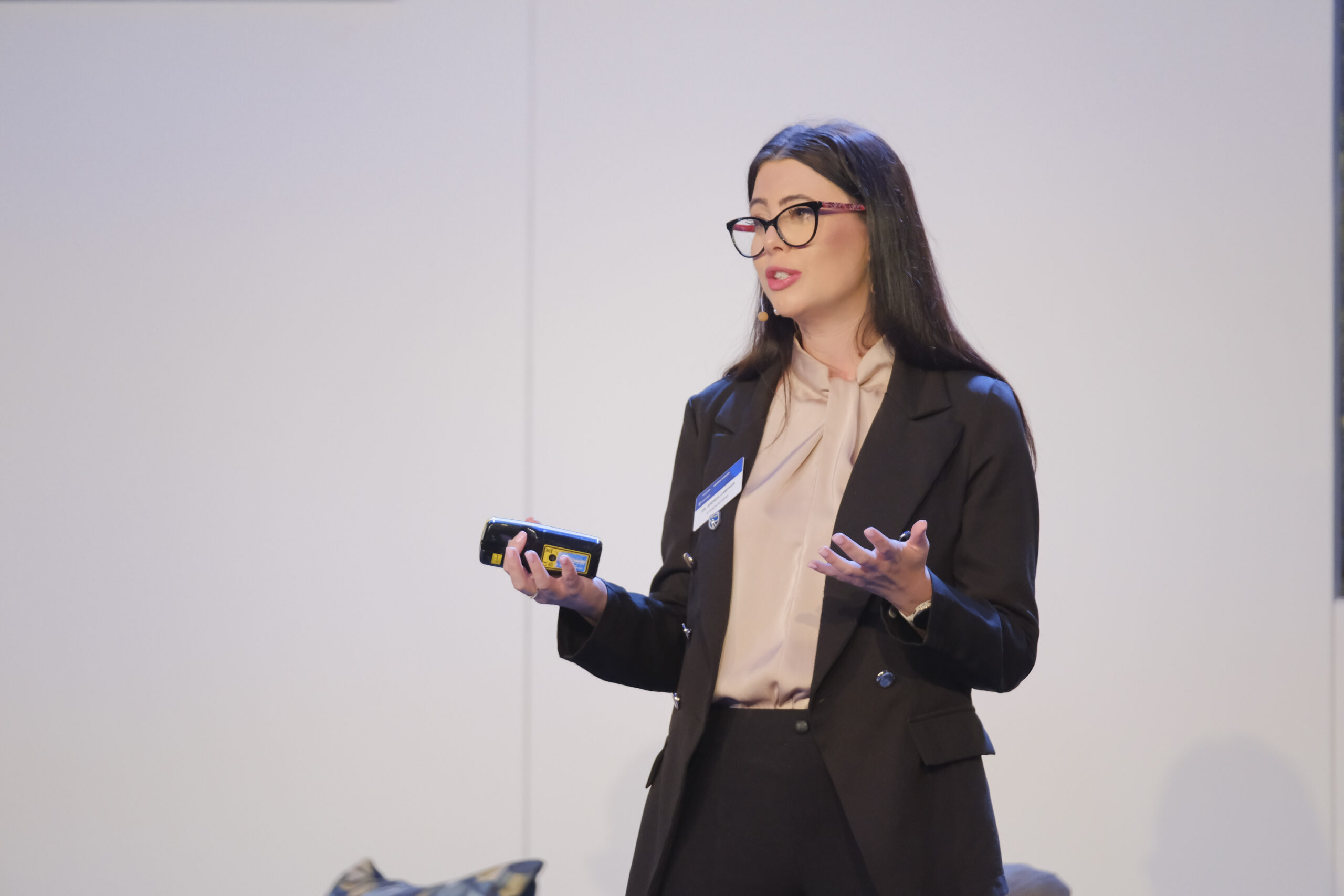
You need to understand banking. Which bank gives you better returns? Which payment card machines give you the best rates? If you’re a small SME, saving money is critical. Every small percentage matters.
From 2015 to around 2020, everything we earned went back into the business. You save so you can survive the next month. Discipline is everything. There’s no bank helping you when you’re self-employed. You don’t have a guaranteed salary.
It took about four years before I felt like I was properly on my feet. I don’t think people realise how long that actually takes.
Stefan: So you were gaining momentum when Covid hit. What happened then?
Ainsley:
By 2020, Covid shut down the food industry completely. Overnight, everything stopped. I’d put all my eggs into one basket.
I asked myself: what now?
I’ve always loved engineering. I’m not a qualified engineer, but I read engineering books obsessively. I like building things. I like understanding how systems fit together.
So I leaned into that. I aligned myself with the right companies and started supplying compressor parts and units—initially in South Africa, and then in Zambia and Namibia. I marketed those units overseas and ended up making substantial money in 2020.
That period forced me to rethink everything. In 2021 and 2022, I analysed the data and completely restructured the business model.
Stefan: How did the business change after that?
Ainsley:
We moved from simply offering food to offering a service. Initially, we focused on Indian cuisine. Then we expanded into à la carte menus and spit braai offerings.
In Gauteng, people underestimate how much demand there is for variety. We live in a diverse country. I took flavours from across cultures—Indian, Malay, South African, Afrikaans—and amalgamated them into our spices and offerings.
From 2021 to now, the growth has been significant. In 2024 alone, the business turned over R13 million.
Today, the group includes Coriander Flavours, MeetUp, and the holding company Red Cliff Enterprises. We operate across catering, engineering, events, and corporate services. We’ve aligned with major South African brands, artists, and financial institutions like Standard Bank, FNB, and Old Mutual.
Stefan: How do you define leadership within your industry?
Ainsley:
Customer service is leadership.
How you handle an irate customer in front of your team says everything. If you respond with ego or dominance, that behaviour spreads. If you respond with calm, solutions, and respect, your team learns how to lead.
We retain customers because of how we make them feel. Food matters. Timing matters. Compliance matters. But customer service is the differentiator.
Our retention rate sits above 90%. We don’t argue over teaspoons. If something goes wrong, we fix it—and then we go further. That’s how you build trust.
Stefan: You managed to retain staff even during Covid. How?
Ainsley:
Because the money doesn’t belong to you—it belongs to the company.
You pay yourself a salary. Everything else stays in the business. That discipline allowed us to pay salaries even during Covid.

People see turnover and assume wealth. Personally, I don’t look at myself as wealthy. I look at whether the business is sustainable, whether salaries are paid, whether the next month is covered.
Stefan: How do you define success now that you have become established?
Ainsley:
I’ve already created the business. Now I want it to serve people long after I’m gone.
For me, it’s about building systems, values, and skills that don’t rely on one individual being present. If the work stops when I stop, then I haven’t really built anything meaningful.
What matters is that the people coming through the business are trained properly, understand the mission, and are equipped to carry it forward. If you give someone the right skills and a clear vision, that impact lasts far beyond one person’s involvement.
Stefan: Your focus on skills development is striking. Where did that come from?
Ainsley:
South Africa doesn’t have a laziness problem. It has a skills problem.
People don’t need grants—they need tools. Skills. Exposure.
We’ve started selecting individuals and putting them through hands-on training programs. After six months, we give them everything they need—equipment, uniforms, starter kits—free of charge. They earn the profits. We provide the client base.
My goal over the next five years is to train at least 1,000 entrepreneurs. People who can earn R20,000 to R25,000 a month sustainably.
Stefan: What do you look for when hiring or training someone?
Ainsley:
Character.
Willingness to work. Willingness to learn. Adaptability. If someone asks, “Can you show me how this works?”—that’s already a win.
Leadership can’t be taught from a book. It’s character. I don’t even tell most people I own the company. I work alongside them. That humility builds trust.
And if I can lead an irate customer into calm, my team learns how to lead too.
Stefan: What would you say to a foreign investor hesitant about South Africa?
Ainsley:
The government might fail—but the people don’t.
There’s opportunity in food, engineering, tourism, and events. Your money goes further here. Returns are strong. The work ethic exists.
If the numbers make sense, investors will follow.
Stefan: What does the next five years look like for you?
Ainsley:
A dedicated skills development institute. Engineering training. Business education. AI integration.
I want to equip people with skills they can take anywhere in the world.
That’s my passion.
Because if I can do it—starting with R1,000—anyone can.
Stefan:
Progress in Ainsley Moodly’s eyes is built through discipline, service, and a willingness to stay close to the work. What he has constructed is not a singular success story, but a framework—one designed to keep functioning, training, and creating value long after any individual steps away.
Every week, The GBJ editorial team sits down with some of South Africa’s best. With a tenacity and spirit that can create success out of nothing more than a glimmer of hope, we believe South African businesses deserve a platform to tell their stories.
Born from WDR Aspen, The GBJ wants to ask you: how are you telling your story? Reach out and let us help you with your voice.