For more than two decades, Wozani Africa has been building events, activations, and destination marketing campaigns that demand speed, improvisation, and trust. From beach festivals and national promotions to last‑minute rollouts that most agencies would decline, the company has made a reputation out of figuring things out under pressure.
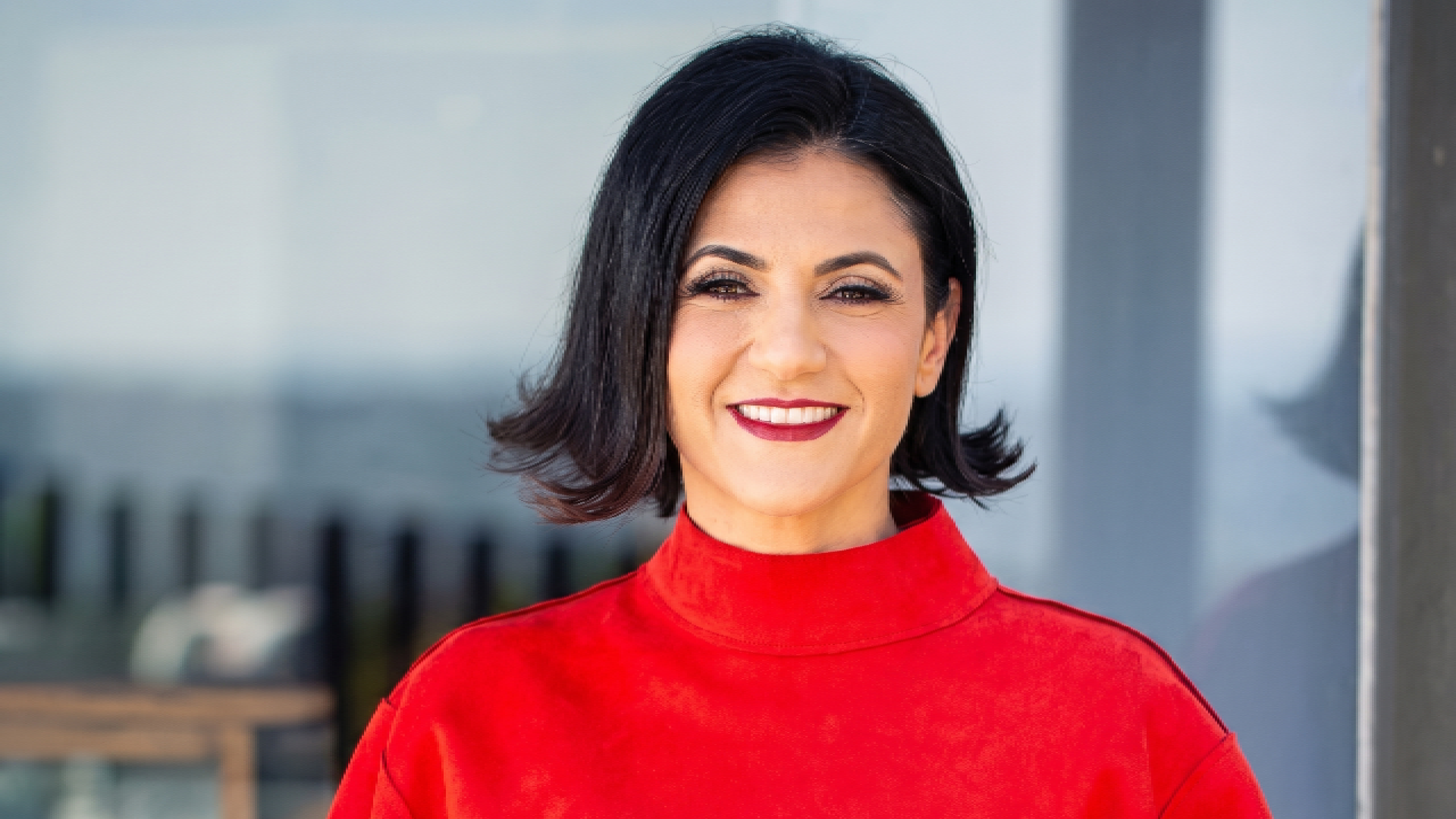
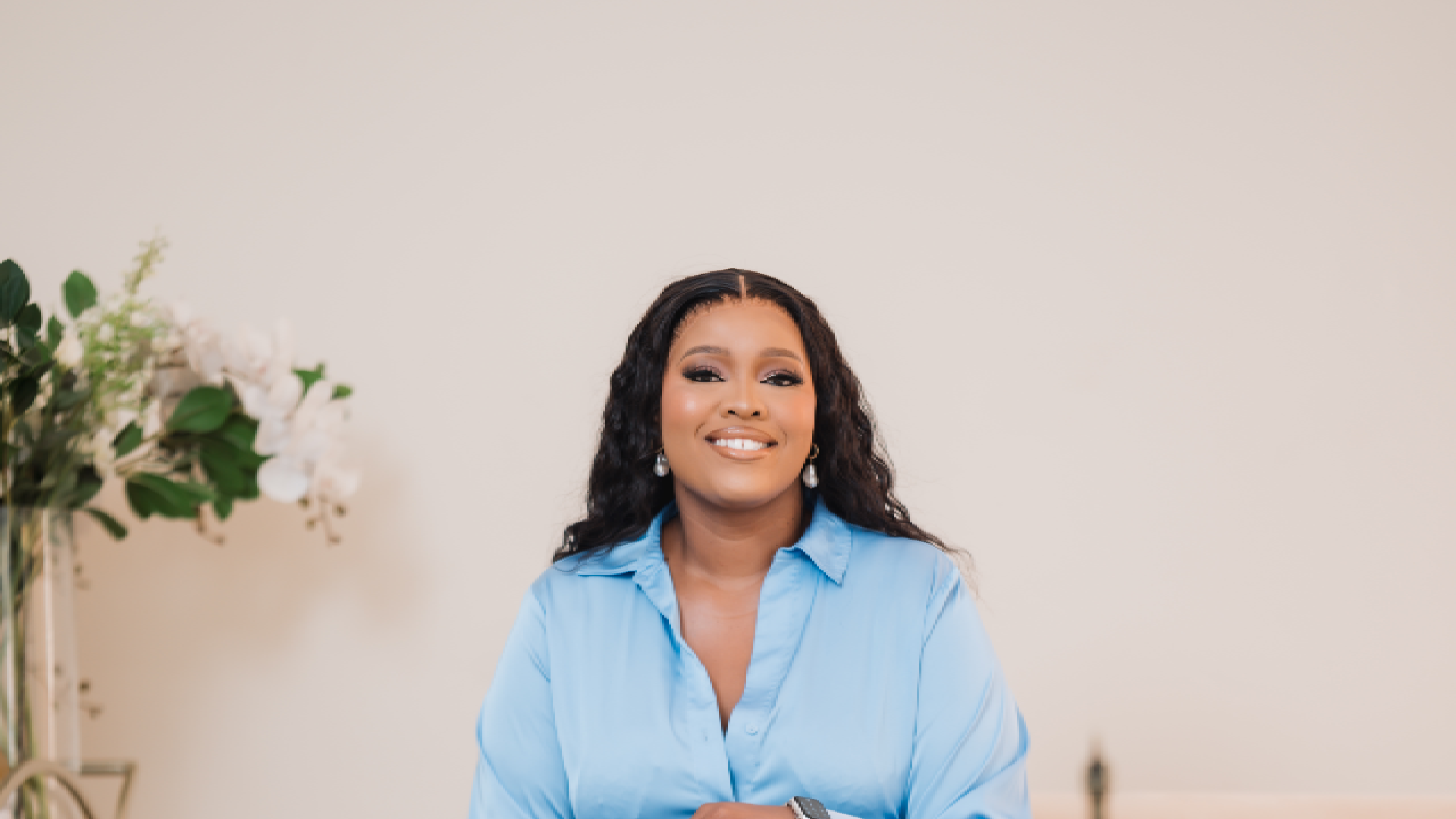
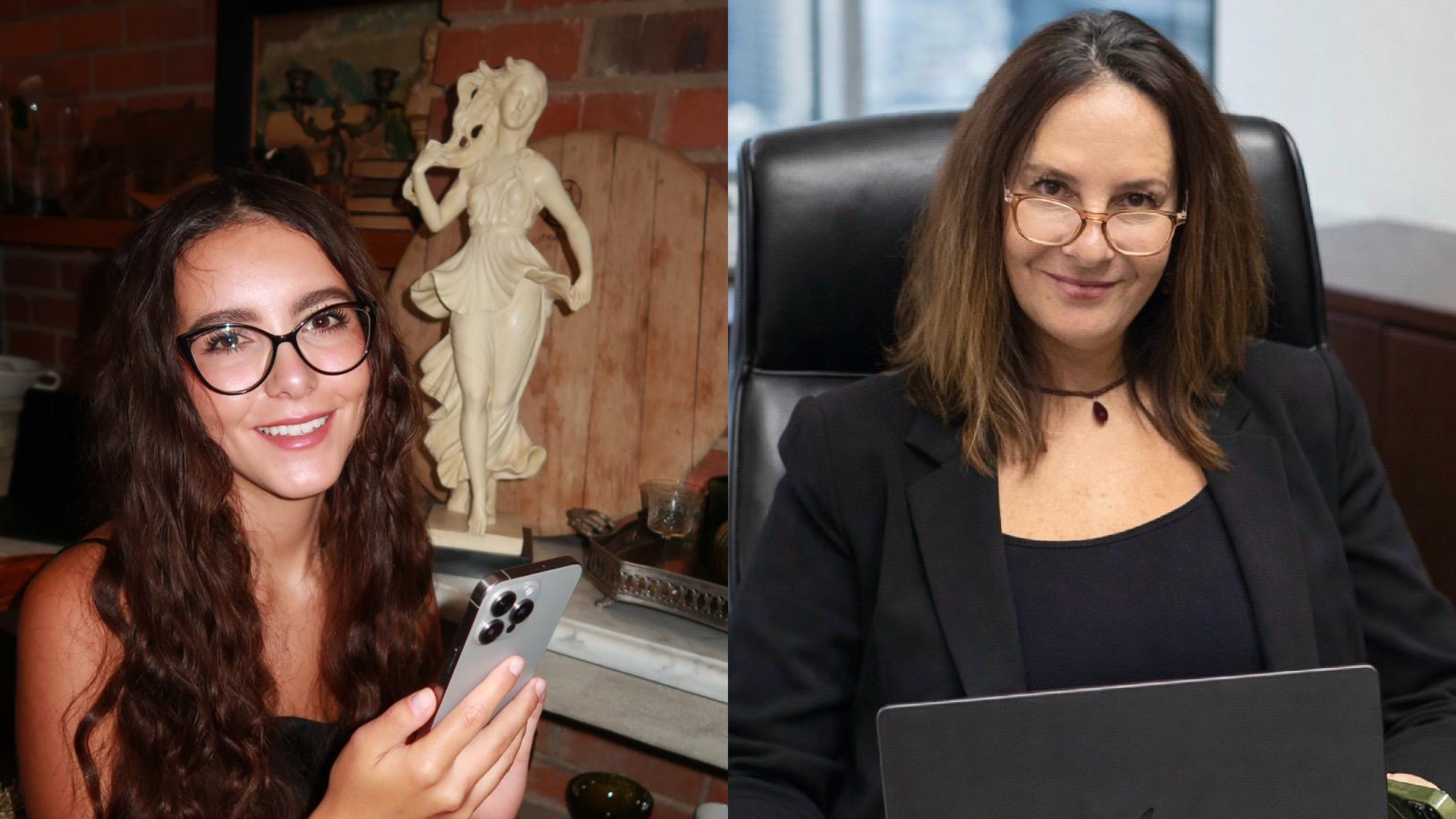
At the center of Wozani Africa is founder Vicky Wentzel, whose instinct for systems, people, and problem‑solving was shaped long before she ever started a business. Alongside her is her daughter, Pearl Erasmus, who grew up inside that world and later helped scale the company nationally through structure, technology, and a new generation of thinking.
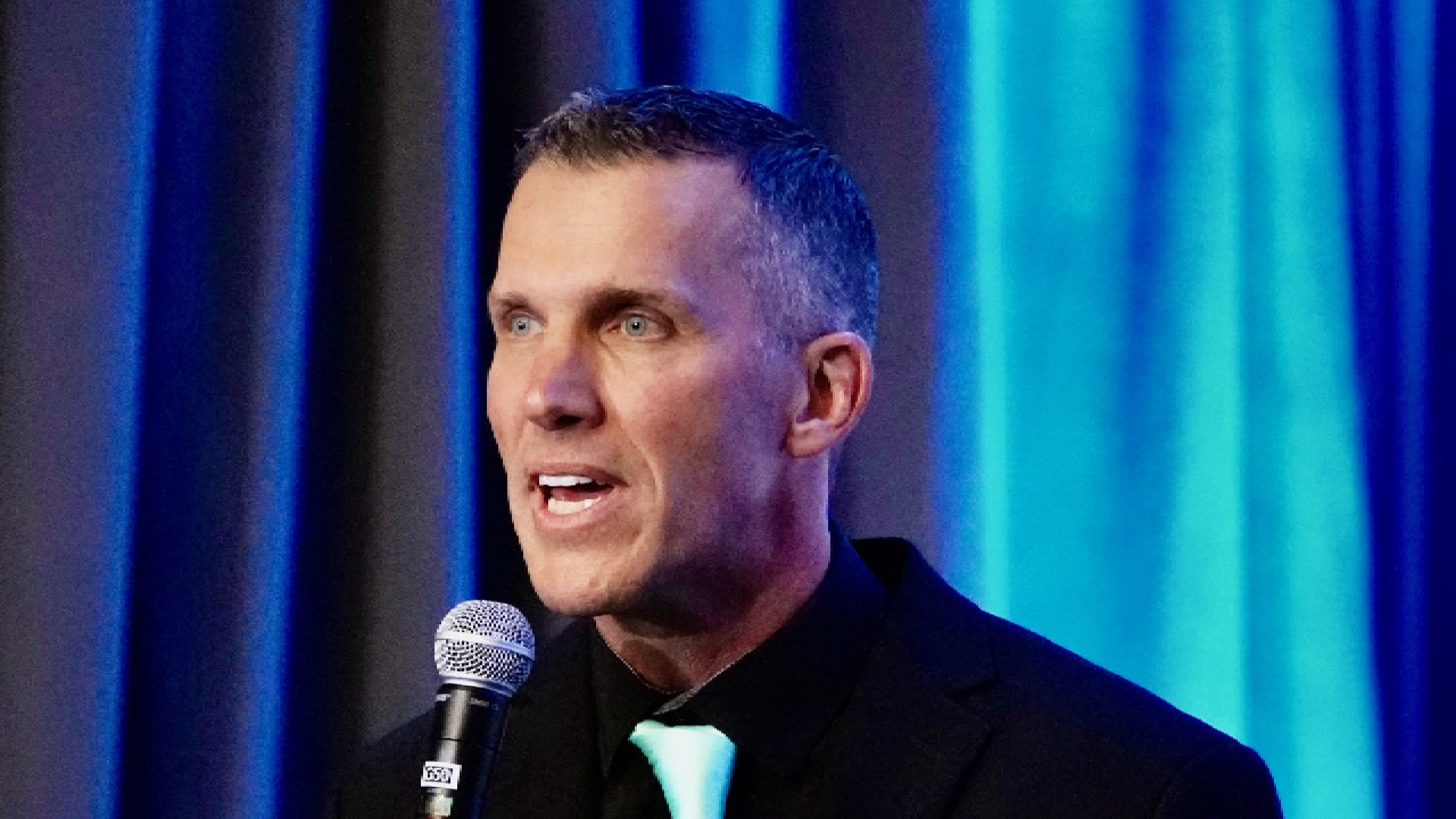
Bryan Welker and Stefan le Roux sat down with Vicky and Pearl to trace that journey—from early lessons in apartheid‑era South Africa, to hard‑won experience abroad, to a lean, people‑first business model built on confidence, accountability, and showing up when it matters most.
The Good Business Journal: Vicky, you grew up in a very different South Africa. How did that shape you?
Vicky:
I grew up in Johannesburg during apartheid, and I went to a convent school at the time when it opened to African and Chinese children. It was incredibly difficult and emotional. We made friends, and then you’d see those same friends being told to sit at the back of the train or being refused entry into places. As kids, we couldn’t understand it.
Those experiences stay with you. They shape how you see people. I don’t see labels. I don’t see categories. I see effort, values, and character. That’s how we’ve always hired, and I think that’s why our business looks the way it does today.
Bryan: Where did your journey take you after school?
Vicky:
I left home the day I wrote my final matric exam. I was young, independent, and completely driven. I went to the UK and managed to get myself into Laura Ashley at a time when they didn’t need anyone—and within about eighteen months, I was running their flagship store.
Bryan: How did you manage to climb the ladder so fast?
Vicky:
I saw where things were broken and where people were losing money without realising it. I wasn’t scared to speak up, even when it made me unpopular. Whether it was theft, outdated processes, or poor merchandising, I questioned everything. I learned how brands think, how operations scale, and how small changes can have a massive impact.
Stefan: Can you give us some examples of inefficiencies you noticed and how you mended them?
Vicky:
One of the first things I noticed was how much theft was happening—and not in the way people assumed. There were organised groups running into stores, lifting entire rails of high-end items in seconds because the hangers were all facing the same way, exactly as the brand manual dictated. It made stealing incredibly easy. When I suggested alternating the hangers so they couldn’t just lift everything in one motion, I was told no, because it didn’t align with the brand guidelines. Eventually, they gave in and listened to my suggestion and the problem was solved.
The other inefficiency was communication. When a group hit our store, we knew they were moving down the street to the next one—but there was no way to warn anyone. So, at nineteen, I went store to store, collected everyone’s phone numbers, and set up a call chain so we could alert one another in real time.
Bryan:
Kind of like the first-ever WhatsApp group—just done with landlines instead of smartphones.
Vicky: Exactly!
Stefan: What lessons did you distill from your time there?
Vicky:
That experience taught me that inefficiency usually isn’t complicated. It’s often just a failure to question what’s always been done.
Also, being twenty years old, earning well, living independently, and managing responsibility at a level far beyond my age filled me with immense confidence. I remember thinking very clearly: from here, things only move forward. I never once thought about going backwards.
That mindset stayed with me when I came back to South Africa—and it became the foundation of how I approached building my own business.
Stefan: And how would you describe that business to someone who has never heard of you?
Vicky:
Wozani Africa, at its core, is an events and activations agency—but we’re also a destination marketing and conceptual business. We work from the idea all the way through to execution. We do a lot of fast turnarounds and a lot of things other people say can’t be done.
We also operate as a white-label agency. We don’t interface directly with most brands. We work with agencies who trust us to make things happen. That allows us to stay lean—no offices, no overhead. All you really need is a laptop, a phone, Wi-Fi, and the right people.
Bryan: Being nationwide, providing end-to-end solutions, and working on tight turnarounds sounds challenging. How do you structure your workforce to contend with that?
Vicky:
We employ thousands of people across the country on an ad-hoc basis. Many of them come from extremely difficult backgrounds. We don’t look for people with degrees or credentials; what matters to us is who shows up, who perseveres, who takes responsibility. We’ve watched people buy their first car so they can do logistics work for us, or move from promoter to supervisor to running entire regions.
South Africans are hard workers. They’re prepared to do more than one job, wear more than one hat, and figure things out as they go. That’s why we can mobilize so quickly when others can’t.
Stefan: The ad hoc labor force model is something we often hear about in our interviews. Can you comment on its benefits?
Vicky:
Absolutely. It’s inclusive. It allows people to build lives and businesses wherever they are. One of our coordinators works from a rural area, running national campaigns for major brands from her home. She grew up in a mud hut, but thanks to her work, she is now building a house for her family.
There’s this idea that you need a degree or a big corporate structure to succeed. We’ve seen the opposite. Passion, accountability, and the ability to think on your feet matter far more.
Bryan: From what I can gather, you guys are in a great position at the moment, but I’m sure there were a few tribulations along the way. Can you tell us about some of the tough times you had to get through?
Vicky:
There were plenty. When I started the business, I had no laptop, no car, and no access to credit. I was blacklisted. Pearl was one year old, and I was pregnant again. I had to choose between giving birth in a private hospital or buying a laptop. I chose the laptop.
In the early days, I didn’t even have money for airtime. I would literally take empty bottles to the shop, get cash deposit for them, and use that to buy airtime. I remember being on a call with a potential sponsor, trying to close a deal, and hearing the automated voice say, ‘You have three minutes remaining.’ I’d be thinking, please just say yes before the line cuts. Sometimes the call would drop, and I’d have to run back to the shop to buy more airtime before phoning again.
It was incredibly stressful, but it also taught me something important: you don’t wait until conditions are perfect. You work with what you have. That mindset—figuring things out under pressure and not being afraid to keep going—is something that’s stayed with me and shaped how we’ve built Wozani Africa.
Bryan: Pearl, what was it like growing up with such a dynamic mother?
Pearl:
Chaotic—but incredibly formative. I grew up around the kitchen table listening to phone calls, site problems, ideas being thrown around. From a very young age, my mom involved me. She gave me confidence before I had any real reason to have it.
Stefan: When did you first start interacting with the business?
Pearl:
One moment I still think about a lot is when she literally handed me the phone while she was on a call with one of her biggest clients. I must have been about ten. I was feeding her ideas while she spoke, and instead of shielding me or brushing it off, she put me straight on the line. It wasn’t about what I said being perfect—it was about being trusted to speak, to think, and to not be intimidated. That did something to me very early on.
I struggled in school. I’m not neurotypical, and I couldn’t find that one “thing” I was good at. My mom always told me, “You are the talent.” That stuck. When I moved to Cape Town at 19 to grow the business nationally, I didn’t question whether I could do it. I just did it.

Stefan: Can you tell us about how you managed to do that?
Pearl:
Systems and people. I built national databases of crew, suppliers, drivers, technicians—people who are ready to move quickly. I also built internal tools so we can track where people are, who shows up early, who takes initiative.
We’ve also expanded into influencer work, PR, and more digital-first activations. You have to move with the times. But the core values haven’t changed.
Bryan: What’s the most important lesson you’ve learned from your mother?
Pearl:
Confidence. If you don’t believe in yourself, your client won’t either. You have to walk into a room believing you belong there. We also don’t overthink things. I sometimes even like to say we like to underthink things, but not in a way that isn’t compromising. We focus on getting things done—properly, professionally, but decisively.
Bryan: Vicky, what advice would you give to young women starting out?
Vicky:
Use social media. Build networks. Be prepared to work very hard—we work long hours. You’ll make mistakes, and that’s fine. Learn from them and keep going.
Also, persistence matters. Some of our best people kept following up for years before getting an opportunity. And when you do get a chance, show up early, be professional, and care. That’s what sets people apart.
Stefan: What do you look for in your people?
Vicky:
Show up early. Care about what you’re doing. Be brave enough to speak up if you see a better way to do something. We can’t be everywhere. We need people who think.
Pearl:
Honesty and accountability. Things go wrong—it’s inevitable. Just tell the truth so we can fix it.
Bryan: You have already given us one, but considering the scope of people that you work with across the country, do you have any more inspirational stories of someone who has transcended their circumstances?
Pearl:
One story that always stays with me is a man we work with who is an incredibly talented artist, but he didn’t even have money for proper paint supplies. He would paint with whatever he could find—coffee, lipstick, curry powder—anything that could leave a mark. And these weren’t abstract pieces. They were detailed, intentional, and honestly beautiful.
What struck me most wasn’t just his talent, but his determination. He didn’t wait for the right tools or the perfect setup. He just started with what he had and his work is now being seen and commissioned at a level he never imagined.
That’s something we see again and again. There is so much raw ability in this country, often sitting in places people overlook. Sometimes, all it takes is access, belief, and one opportunity for someone to completely change their trajectory.
Stefan: That anecdote almost perfectly answers the last question I want to ask, but I think there’s still room to expand. If you were to pitch South Africa to a foreign investor, what would you lead with?
Vicky:
Work ethic. We work hard, and we work smart. We’re not scared of pressure.
Pearl:
Our diversity. It gives us emotional intelligence. We understand people, cultures, and audiences in a way that’s incredibly valuable.
Vicky Wentzel’s story is marked by an instinct to notice what isn’t working and a willingness to step in early—whether that meant challenging systems in a Laura Ashley flagship store, starting a business without airtime or credit, or trusting people long before they looked like safe bets on paper.
Pearl Erasmus’s story begins inside that environment, shaped less by instruction than exposure: being handed responsibility, being trusted to speak, and later applying that same confidence to building systems that could carry the business nationally.
Wozani Africa emerges from that shared posture as a working expression of how the two of them move through problems: quickly, practically, and with people at the center. In a country defined as much by constraint as possibility, their consistency—showing up, figuring it out, and staying close to the work—has proven to be the most reliable advantage of all.
Every week, The GBJ editorial team sits down with some of South Africa’s best. With a tenacity and spirit that can create success out of nothing more than a glimmer of hope, we believe South African businesses deserve a platform to tell their stories.
Born from WDR Aspen, The GBJ wants to ask you: how are you telling your story? Reach out and let us help you with your voice.