
Bryan:
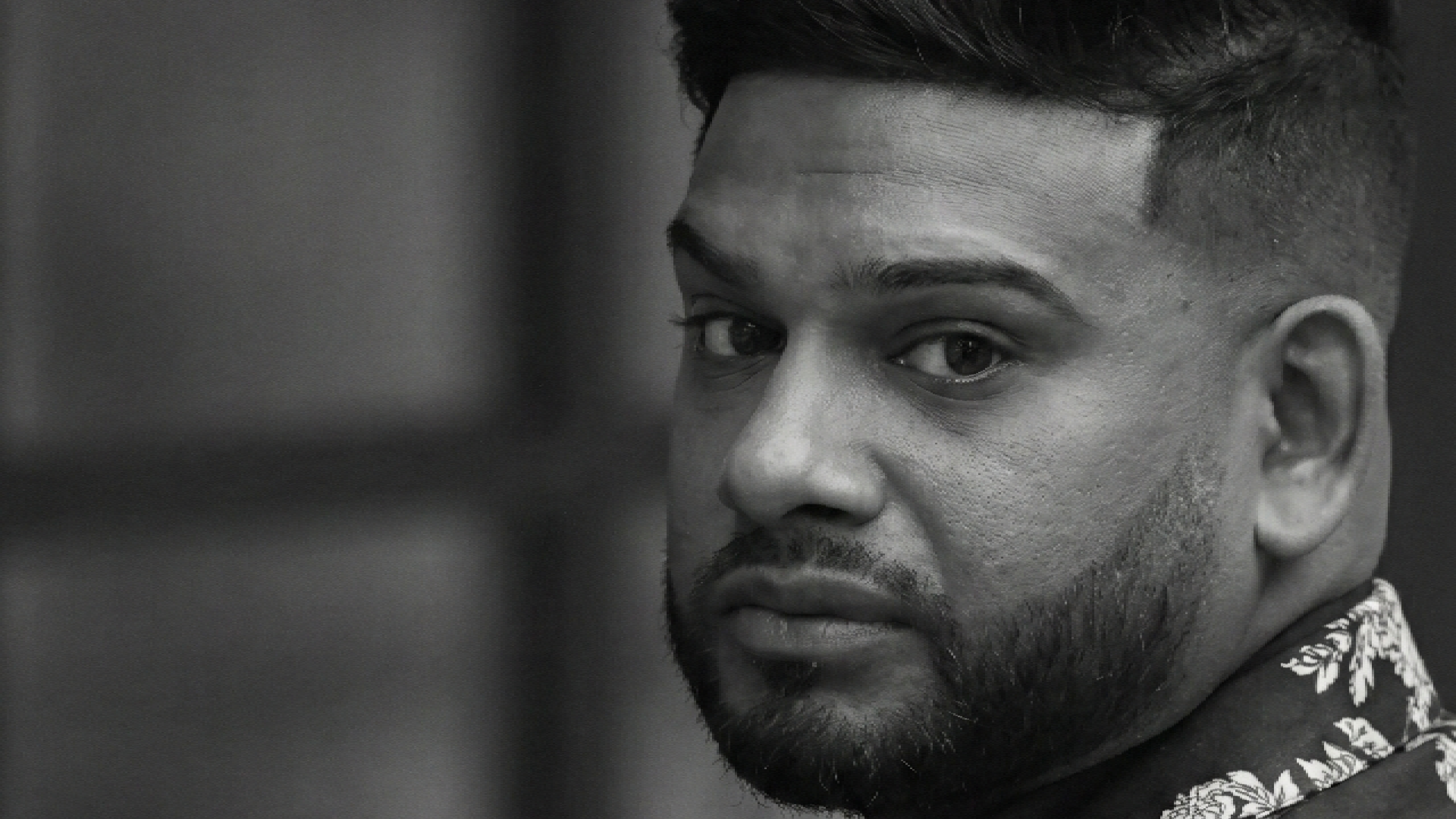
Sheldon Tatchell’s entrepreneurial spirit grew out of pure necessity and a desire to solve the problems he saw at home.
What started with a chair, a pair of clippers, and a stoep in front of a cousin’s internet café would eventually grow into Legends Barbershop, a brand spanning more than eighty stores across multiple countries. But for Tatchell, the real purpose behind the business has always been deeper: using faith, entrepreneurship, and opportunity to uplift the very communities he came from.
Bryan Welker and Stefan le Roux sat down with Sheldon Thatchell to discuss how faith, hardship, and a deep commitment to his community shaped the meteoric rise of Legends Barbershop—and why he believes entrepreneurship is one of the most powerful tools for restoring dignity.
The Good Business Journal: Let’s start at the beginning. Tell us about where you grew up.
Sheldon:
I grew up in a community called Eldorado Park in the south of Johannesburg. It’s quite an impoverished community, and I remember growing up in a household where money was always a struggle.
We were so poor that sometimes we only had one meal to eat, three times a day. That was the reality.
Bryan: How did your entrepreneurial journey start
Sheldon:
When I was around twelve years old, I began saving my school spending money. Back then, it was about two rand a day. I saved up around twenty rand and went to the local cash and carry to buy a box of ice cream.
Then I started going door-to-door selling those ice creams.
I had a terrible stutter at that age, so imagine a young boy going to people’s doors, struggling to speak properly, trying to sell something. It was incredibly difficult.
But at that age, you’re just trying to solve the problems you see at home. When you grow up hearing your parents argue about money, you want to help. You want to find a way to contribute.
So I kept going. One box of ice cream became two boxes, then three. And that was the first time I really started to understand the power of entrepreneurship.
Stefan: At what point did barbering enter the picture?
Sheldon:
Barbering came from observing the opportunities in my community.
I noticed something very simple: the barbers were always busy. In Eldorado Park, if you went to the barbershop, there were always people waiting.
The idea of barbering also made sense to me because you only needed one tool—a clipper. You don’t have to keep replenishing stock like with other businesses.
So I started visiting different barbershops just to watch what they were doing. They would chase me away, but I kept going back.
Sometimes I would bring a cold drink as a kind of “bribe” so they would allow me to watch and learn.
That’s really how I learned the craft.
Stefan: You eventually began cutting hair yourself. What did those early days look like?
Sheldon:
Around 2011, I was about twenty or twenty-one years old. My cousin had an internet café, and I asked him if I could use the stoep in front of the shop to cut hair.
Bryan: How did you differentiate yourself from the other barbers in town
Sheldon:
I kept a notebook and a pen. After every haircut, I would write down the customer’s name and the conversation we had.
When they came back next time, I would remember those details and continue the conversation.
It helped me build real relationships with customers. That simple notebook became my first version of customer relationship management.
Bryan: How did you get off the stoep and into a shop?
Sheldon:
Eventually, I partnered with a friend, and we opened our first small store on the 3rd of September 2011.
The space was tiny—about eight square meters. The landlord told us there was no lease agreement. If we didn’t pay rent, we were out.
But the community showed up. People came out in numbers to support us.
We also started training young guys from the community to cut hair. On our quiet days—usually Tuesdays and Wednesdays—we would go to old-age homes and schools to cut hair.
That allowed us to train new barbers while also giving back to the community.
It was during that time that I had the idea for the name.
We were cutting hair for elderly people in the community, and I realized something: these were the real legends. They had lived their lives, built families, raised communities.
I decided to name the shop after them: Legends Barbershop.
Stefan: But that first shop didn’t last. What happened?
Sheldon:
That same year, on the 4th of December, I got married. I went on honeymoon and left the shop in the hands of my business partner.
When I came back, the doors were closed.
He hadn’t paid the rent. Worse still, he hadn’t paid the barbers who were working there either.
Standing in front of that closed shop was devastating. Everything we had worked for over those months was gone.
At that moment, I started doubting myself. I wondered who I was to think I could make a living cutting hair.
So I stepped away from barbering and went back to working a day job at the bank.
Bryan: But you couldn’t stay away for too long, could you?
Sheldon:
No. Around 2013, I came back to barbering in a very different way.
I bought a scooter and became a mobile barber.
I was working a job during the day, and after work, I would get on my scooter and go to customers’ homes to cut their hair.
Weekends were the same. I would travel across the city, cutting hair wherever people needed it.
Stefan: It must have been hard to get your name out there without being able to rely on a storefront for visibility. How did you market yourself during that time?
Sheldon:
I marketed myself on Facebook. Back then, it was really the only platform. I would send direct messages to everyone I knew, saying, “Mobile barber available.”
Word started spreading.
And although my day job felt mundane, those evenings cutting hair gave me so much satisfaction. That’s when you know you’re doing something you truly love.
Stefan: When did Legends Barbershop return?
Sheldon:
In July 2014 I relaunched Legends Barbershop.
I managed to regain the trust of the barbers who had worked with me before. We started again, slowly.
A week later, I resigned from my job at the bank and committed fully to the business.
My goal at that time was very simple: five stores in five years.
There was no outside funding. No grants. No investors.
One store funded the next store, which funded the next one. Eventually, we started franchising once we reached ten stores.
From there, the growth accelerated.
Today, we have over eighty stores across five countries.

Bryan: Did you ever imagine it would grow to that scale?
Sheldon:
Honestly, no.
The goal was five stores. I never imagined eighty.
But as the business grew, customers began asking us to open in other areas. Communities wanted Legends stores in their neighborhoods.
The demand drove the expansion.
But for me, the most important part of the business is not the number of stores. It’s the impact we can have on people.
Stefan: You mentioned training barbers and giving back to the community. How has that commitment to uplifting your community evolved since those early days?
Sheldon:
One thing I’m incredibly proud of is our training program.
We train barbers from disadvantaged communities for free.
The goal is to upskill young people who might otherwise be unemployed.
There’s a saying: give a man a fish and you feed him for a day. Teach a man to fish and you feed him for a lifetime.
That’s exactly what we try to do.
South Africa’s youth unemployment rate is incredibly high, and many young people feel they have no opportunities.
But when someone from the community walks into a Legends store and sees a young person they recognise—someone who was unemployed a few months ago—now working as a barber, it changes perceptions.
It shows that opportunity is possible.
Stefan: What’s the next vision for you?
Sheldon:
My next big vision is to build a community skill center in Eldorado Park.
A place where young people can learn barbering, hairdressing, welding, and other technical trades for free.
Skills make people employable. Skills create entrepreneurs.
If we can build more places like that, we can create real change in our communities.
Bryan: What advice would you give to young entrepreneurs reading this?
Sheldon:
I could give business advice. I could tell people how to scale a company or how to manage finances.
But the most important advice I can give is this: be grounded in Christ.
In my journey, the more grounded I am in Christ, the clearer my vision becomes.
I begin to understand that God’s purpose for my life is not just about me—it’s about the people I’m meant to serve.
I see myself as a vessel that God uses to impact others.
Matthew 6:33 says, “Seek first the Kingdom of God, and all these things will be added unto you.”
When you put God first, things won’t always be perfect. But they will unfold according to His purpose.
Stefan: What makes you optimistic about the future of our country?
Sheldon:
I’m privileged to say that I have travelled the world, and one of the biggest challenges many developed countries face today is demographics—their populations are aging and shrinking.
In Africa, we have the opposite reality. Our populations are young. The average age in Africa is nineteen years old.
That’s why I’m excited about the work we’re doing and the future of the continent in general.
If you invest in young people, you’re investing in the future.
Bryan:
Sheldon Thatchell’s story is often told through the lens of scale—eighty stores across multiple countries, a fast-growing franchise model, and a brand that has become synonymous with community barbershops across South Africa.
Yet, listening to him speak, it becomes clear that the real measure of success lies elsewhere. For Tatchell, the purpose of Legends Barbershop has always been larger than the business itself. It is about creating opportunity where there was once very little, restoring dignity through skill and work, and proving that entrepreneurship—when guided by faith and rooted in community—can become a powerful force for change.