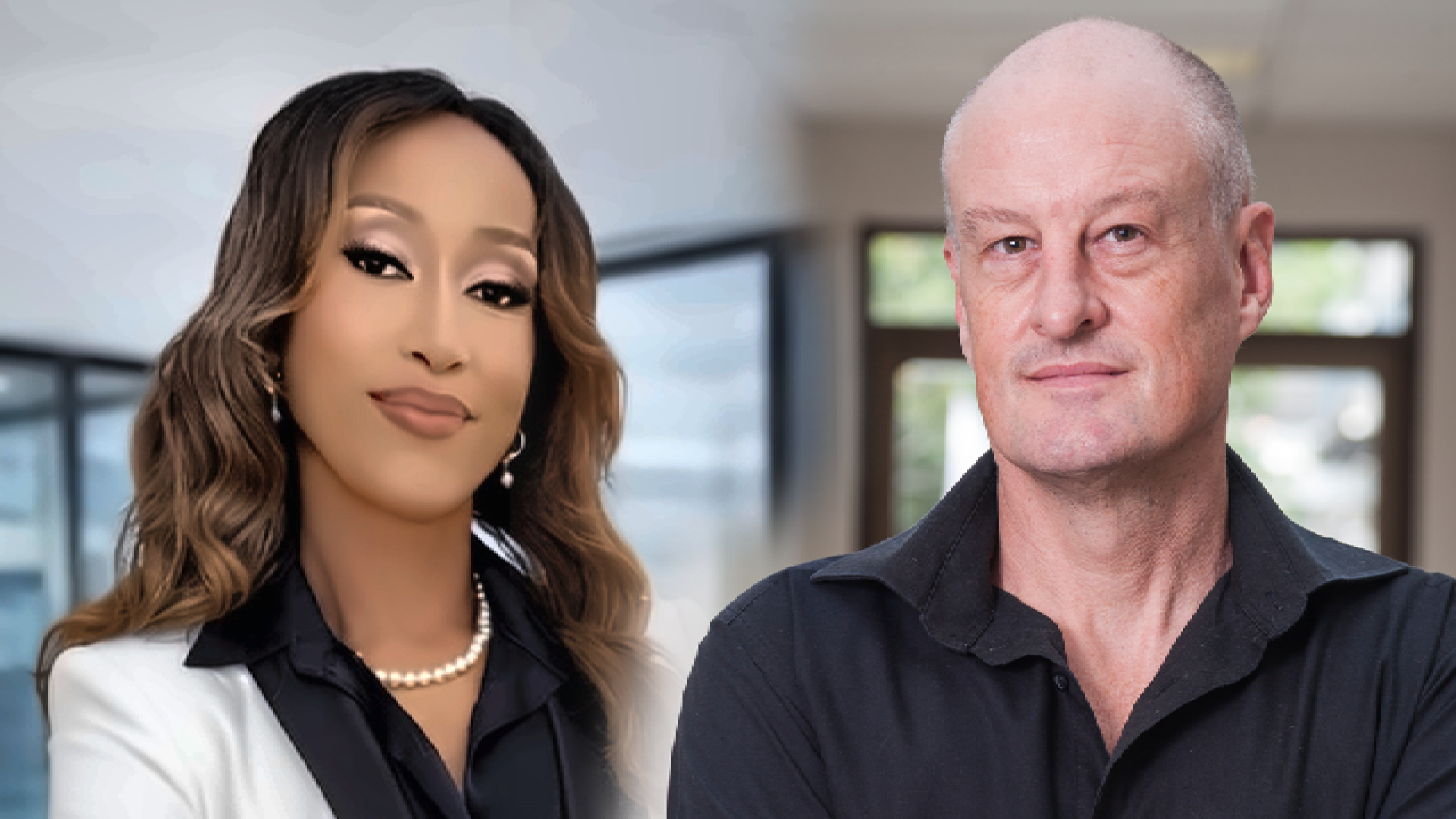
Interview by Bryan Welker and Stefan le Roux | For The Aspen Times
Aspen is a place of staggering beauty, but also a place that carries real weight. Our valley holds one of the highest suicide rates in Colorado, a reminder that even in the most extraordinary landscapes, people can be quietly fighting for their lives.
Now and then, someone’s story cuts through that silence. Joe Fleming’s does. An American veteran who built an unexpected life in South Africa, his journey spans motorcycles, remote landscapes, and a battle with mental health that nearly took his life. What followed—treatment, medication, honesty, and a men’s walking movement now involving hundreds—speaks directly to the conversations that matter in communities like ours.
Bryan: You are currently living in South Africa, but can you tell us about your previous life in the States?
Joe:
I grew up in Concord and Charlotte, North Carolina, and went to East Carolina University. My freshman year was 2001. After 9/11, I, like a lot of men my age at the time, signed up to join the Army—the National Guard, to be specific. I spent seven months training and ten months in Iraq before returning to finish college.
Bryan: I know it’s risky asking a veteran about their deployment, but did you bring back anything positive from your time there?
Joe:
During my deployment, we were sometimes in safer towns, and I started carrying a camera with me on patrol. We had three ammo pouches on our vests, each holding two magazines. Eventually, I took two magazines out and replaced them with a small Sony Cybershot. When we walked through town, I’d sling my rifle, pull out the camera, and take photos of what I was seeing and experiencing. I got in trouble for it all the time, but I loved documenting everything. That photographic eye I developed there has become essential to a lot of what I do today
Bryan: What was life like after your time in the military?
Joe:
After the military, I worked for Northrop Grumman in New York and then San Diego. While I was in California, I connected with a South African girl over Instagram. She sent me a friend request on Facebook, and we started talking.
To cut a long story short, three months after she sent the friend request, I visited South Africa, fell in love with her and with the country, and two months later, I received my severance package from Northrop Grumman, and I moved to Africa.
Bryan: What did your early years in South Africa look like?
Joe:
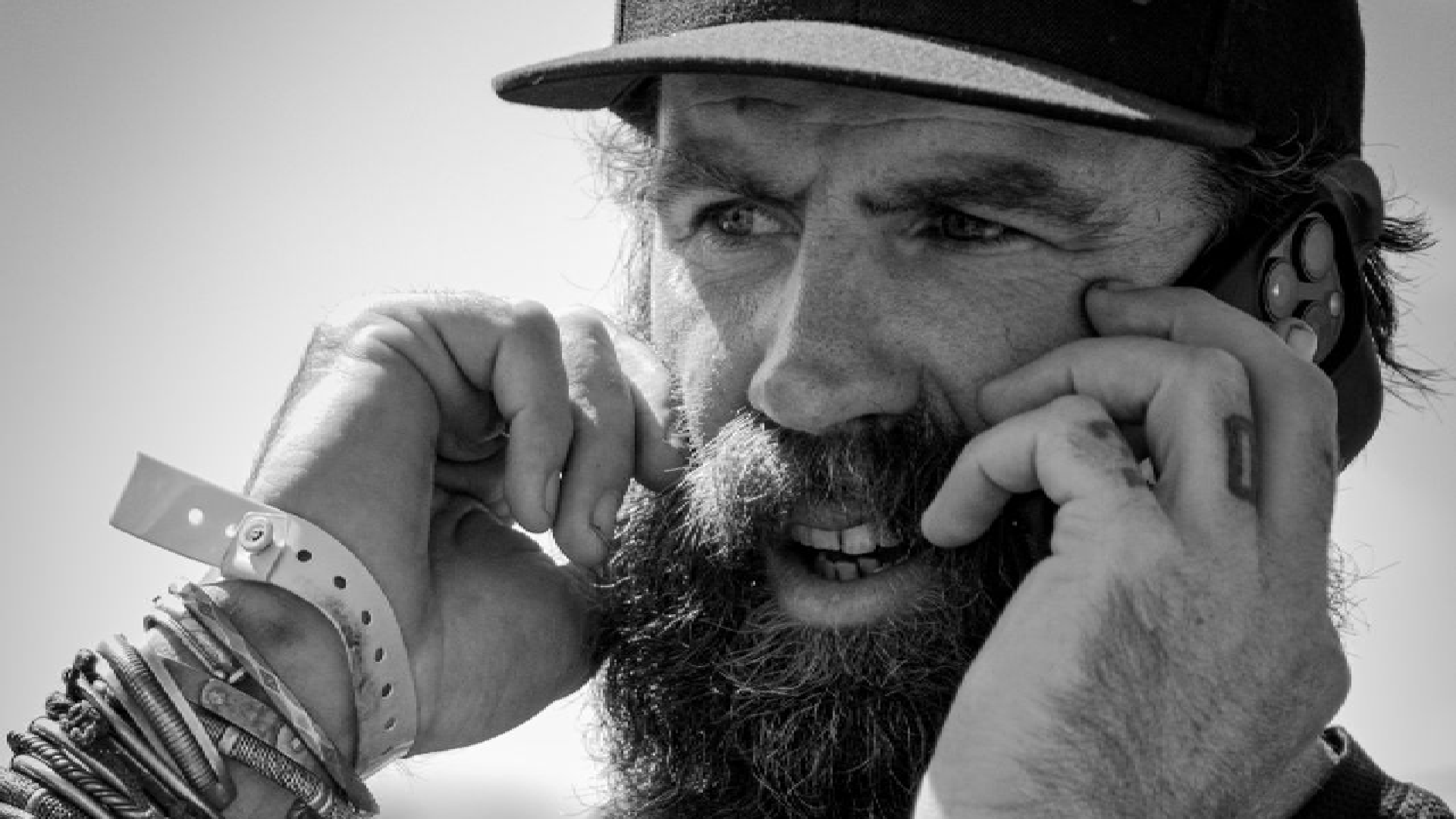
I worked at a secondhand Harley shop. My wife made me some beard balm, which we gave to friends, and that turned into a business called Bonafide Beards. The brand developed, and we later opened Bonafide Barbers as well.
Riding Harleys introduced me to a lot of people, and I realized I had a natural ability to bring guys together. I had quite a lot of experience from participating in riding groups in the US, and having been in the armed forces, I had a natural attraction to adventure, so I started organizing rides and events, and eventually called it Bonafide Moto Co. That became my main work—hosting off-road motorcycle adventures throughout Southern Africa.
I’ve taken people to Namibia, Botswana, Mozambique, Eswatini, and Lesotho. That’s been my bread and butter.
Bryan: What is it about South Africa that you love the most?
Joe:
For me, it’s the freedom, which I know is ironic for an American living in a foreign land to say. I’m someone who doesn’t fit well inside a box, and South Africa gives you the space to live without constant restrictions.
In the States, everything is regulated. I had two panic attacks while driving because I couldn’t remember what the speed limits were. Here, the cops don’t pay much attention to motorcycles; they have bigger fish to fry. So I’m free to do what I want on my bike for the most part.
There are obviously downsides to that level of ‘freedom’, some might call it lawless, but I’m not ashamed to admit that I absolutely love it.
Bryan: You’ve seen more of Southern Africa than many locals. What keeps you drawn to these landscapes?
Joe:
My joy is travel and adventure. I was recently in Lesotho for the Roof of Africa event, which is widely known as one of the toughest enduro bike races in the world. I spectated and then spent some time riding in the mountains before and after the event itself. It was incredible.
There are no fences. You can ride as far as you want. It’s remote and beautiful. There aren’t many places in the world where you can still experience that. South Africa lets me tap into something I really need.
Bryan: And how many guided trips are you doing nowadays?
Joe:
It was going strong last year at about one trip every other month, but I was going through quite a lot on a personal level at the time, which culminated in my attempt to take my own life about 7 months ago.
Bryan: I’m very glad you’re still here, Joe. How are you doing now?
Joe:
I’m doing much better now. When I got out of treatment, I shared a testimonial video because I didn’t want to hide what I’d been through. I said I almost became a statistic with suicide, and being open about that helped me as much as it helped others. In treatment, they diagnosed me with bipolar disorder, which finally explained the extreme highs and lows I’d been living with for years.
Before treatment, I used psychedelics like ayahuasca and mushrooms as medicine, thinking they would eventually help me, but I learned there were neurological issues that those medicines couldn’t fix. Going into a treatment center saved my life because that was the help I actually needed.
There’s a stigma around taking medication, and I used to say, “No, I’m not taking pills.” But now I take five different pills every day, and I’m completely cool with it. It gave me the baseline I always wanted. I used to have these high highs and low lows—just this cycle—and all I ever wanted was a steady feeling.
Now I have that. When things are good, cool. When things are bad, cool. I’m still moving forward.
Bryan: It couldn’t have been easy sharing your story so candidly online. What was the response?
Joe:
When I shared that testimonial, people told me they never would’ve expected that from me. There’s so much fake stuff out there, and I wanted to show my truth. About two weeks later, a guy messaged me saying he was going to commit suicide that night. He happened to open Instagram and saw my video, and it stopped him. I don’t want people to go through what I did or feel like they’re alone.
Before my attempt, all I wanted was to go on a walk with my friends, but I was too ashamed to ask.
Bryan: And that was the start of your men’s walk initiative?
Joe:
That was the beginning. I put out a post saying, “So here in South Africa I’m starting a men’s walk,” and that first day, my roommate and his buddies showed up. The next week, there were seven guys. Then it kept growing. I now have a WhatsApp group of almost 400 men across Johannesburg, Pretoria, and Cape Town.
What I found is that there are a lot of men out there who are struggling with life. Sometimes all they need is a walk and someone else to walk with. They don’t even have to talk about their problems; maybe they just want to get to know someone. It helps them, and it helps me too.
Bryan: What is your ambition moving forward?
Joe:
I want to take clients back to Namibia and Botswana. Those are two big trips I would like to see happen next year. I want to fill up seats again and sell out trips again. For many years, I sold out every single trip, and I lost that momentum over the past couple of years while I was dealing with my own stuff.
Bryan: As you might or might not know, Pitkin County has a suicide rate close to three times higher than the national average. What do you hope someone struggling takes away from your story?
Joe:
I know I was given a second chance. I’m living a second life because I shouldn’t be here. I’m grateful every day that I am. What I want people to know is that going into a treatment program is okay. Taking medication is okay. Feeling broken is okay. What matters is that you reach out, get the help you need, and give yourself a chance to come back.
If I can come back from where I was, then someone else can too.
Aspen is no stranger to the quiet battles people fight. Joe’s journey is a reminder that survival often starts with the smallest act—telling the truth, taking a step outside, choosing not to face the darkness alone. He rebuilt his life across the wild terrain of Southern Africa, but the deeper rebuilding happened through treatment, honesty, and the simple power of walking alongside other people who were struggling too.
If even one person in this valley reads his story and reaches out, asks for help, or realizes they don’t have to carry everything alone, then sharing it matters.
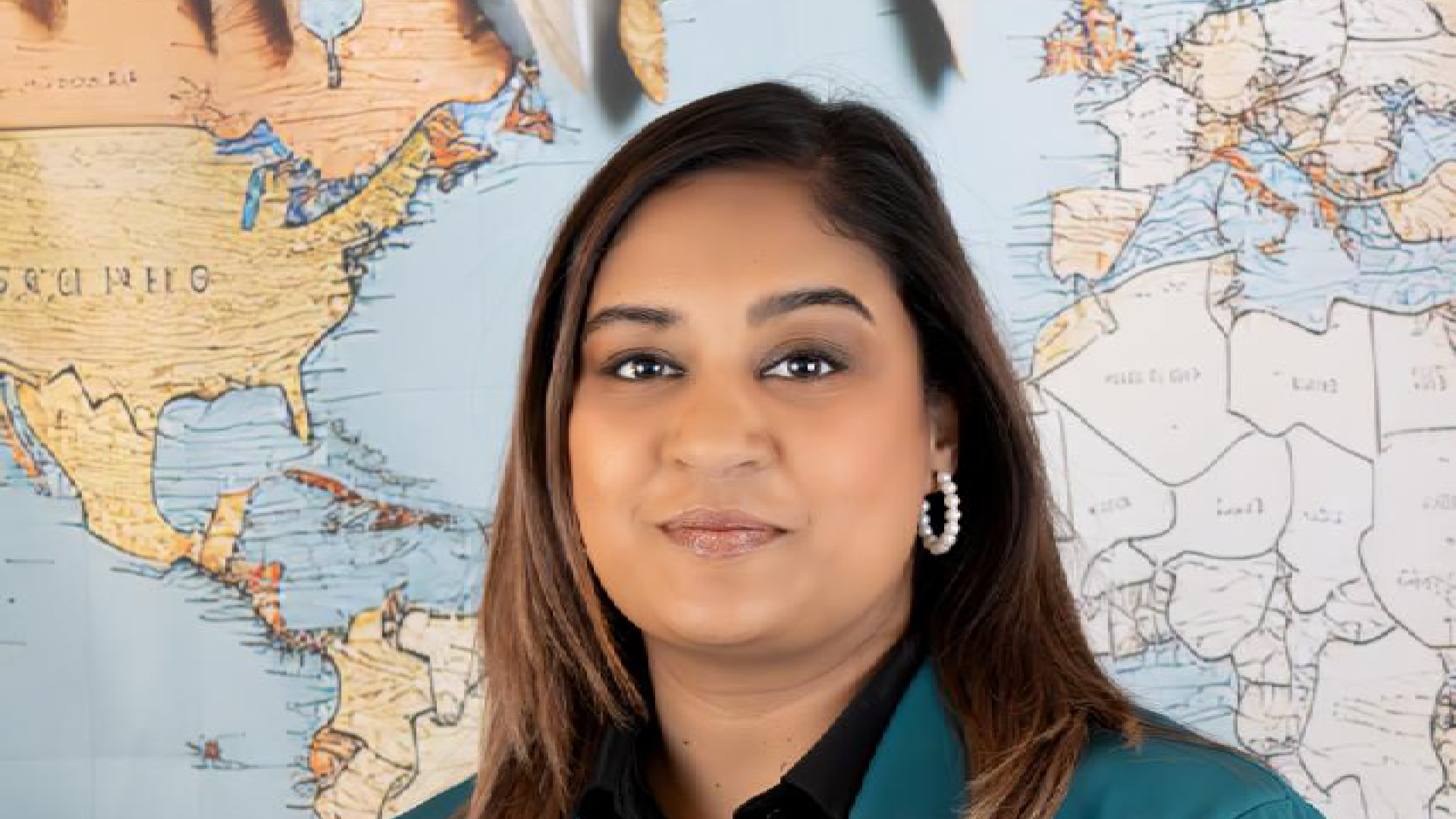
Bryan Welker lives and breathes business and marketing in the Roaring Fork Valley and beyond. He is President, Co-founder, and CRO of WDR Aspen, a boutique marketing agency that develops tailored marketing solutions. Who should we interview next? Reach out and let us know bryan@wdraspen.com
If you are in crisis, please call or text the 988 Suicide & Crisis Lifeline at 988, or contact the Crisis Text Line by texting TALK to 741741. Help is available.