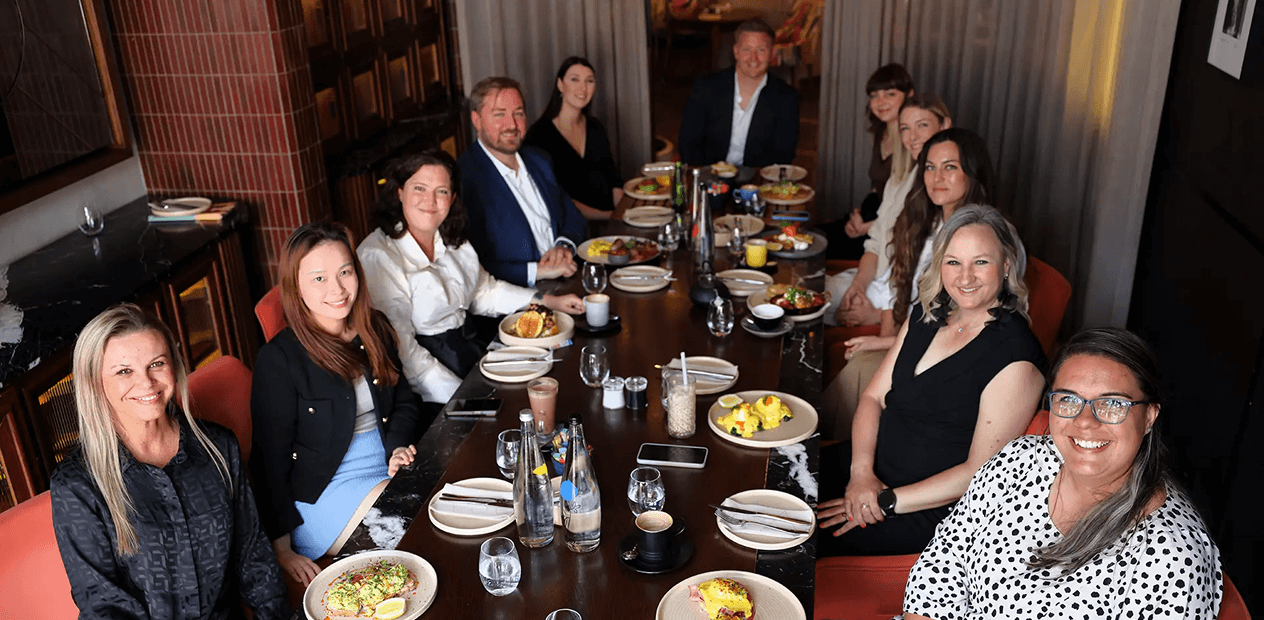
The guest list is small but important. You spend the week cleaning the house, polishing the silver, and making sure every detail reflects care. You shop for ingredients, pick out the perfect wine, and spend hours cooking a meal you hope will impress. You light candles, put flowers on the table, and set the mood with music.
But no one shows up.
Not because they didn’t want to come. Not because they didn’t value your effort. They simply never got the invitation. Or worse, you invited them without enough notice, only to find that they would have loved to make it. But instead, they RSVPed to a boring event that they would have loved to skip in favor of your dinner party. Now both of you feel like you’ve missed out.
This, in essence, is what I call the Dinner Party Theory of marketing.
Many businesses—restaurants, retailers, startups, nonprofits, and service providers—fall into the trap of investing primarily in preparation and under-investing in the invitation. They pour resources into creating something extraordinary, but they assume that if they simply build it, people will come.
The truth is, they won’t. Not because the soup lacked seasoning, but because in a world filled with competing demands, people need to be invited, reminded, and encouraged to show up.
Marketing is that invitation. Without it, even the best-prepared dinner party is destined to be an empty table and you will be eating alone.

But effective marketing is more than just ‘sending invitations’. A good marketing partner is like your best friend helping you plan the perfect dinner party. They’re the ones who see the bigger picture, keep you grounded, and make sure every detail is tailored to create a lasting impression.
During the planning process, your friend would remind you that it’s not just about filling seats, but about filling them with the right guests. The ones who will appreciate your efforts, engage in lively conversation, and bring energy to the evening. That’s market research; knowing who belongs at your table and what will resonate with them.
Suppose you’re planning on making the oxtail bourguignon recipe that has been passed down in your family for six generations. In that case, it’s wise to ask your inner circle whether there are pescatarians or vegetarians on the guest list. Perhaps the best move is to expand your menu before sending the invitations, ensuring everyone can enjoy the experience. That’s adjusting your offering to match your market.
The magic isn’t only in the main dish. The plating, the wine pairing, the perfect playlist—all of these elements work together to create the atmosphere. In marketing terms, that’s brand identity and design. The visuals, the messaging, and tone of voice need to complement one another and elevate the experience.

Then there are the helpers—those pouring drinks, clearing plates, and keeping the kitchen running smoothly. They don’t steal the spotlight, but they make everything flow. That’s your website optimization and digital infrastructure: unseen by most, but essential to making sure guests can access what they need without friction.
A dinner party is never just about food. It’s about exceptional hospitality, impeccable atmosphere, and a real connection among cherished guests.
Likewise, marketing is never just about putting out an invitation. It’s about creating a dynamic experience in which people feel welcomed, understood, and eager to return.
The Dinner Party Theory reminds us that preparation without invitation is wasted effort. But it also suggests something more. The best marketing feels like having trusted friends by your side, helping you plan every detail so that when the big night finally arrives, your table is full, your guests are delighted, and the memory lingers long after the candles are blown out.
Bryan Welker lives and breathes business and marketing in the Roaring Fork Valley and beyond. He is President, Co-founder, and CRO of WDR Aspen, a boutique marketing agency that develops tailored marketing solutions. Have any marketing questions? Reach out to bryan@wdraspen.com
This article was originally published by The Aspen Times