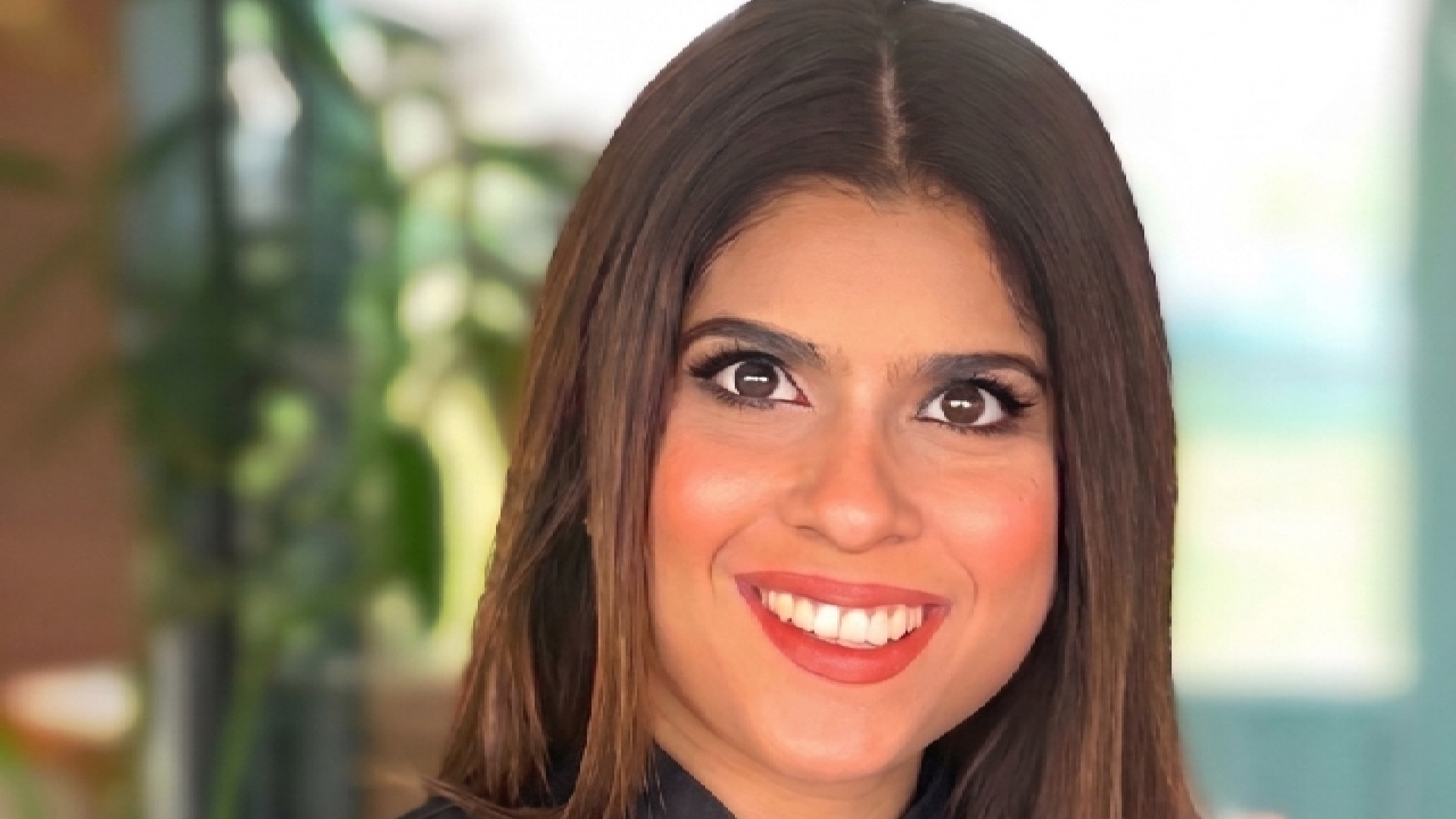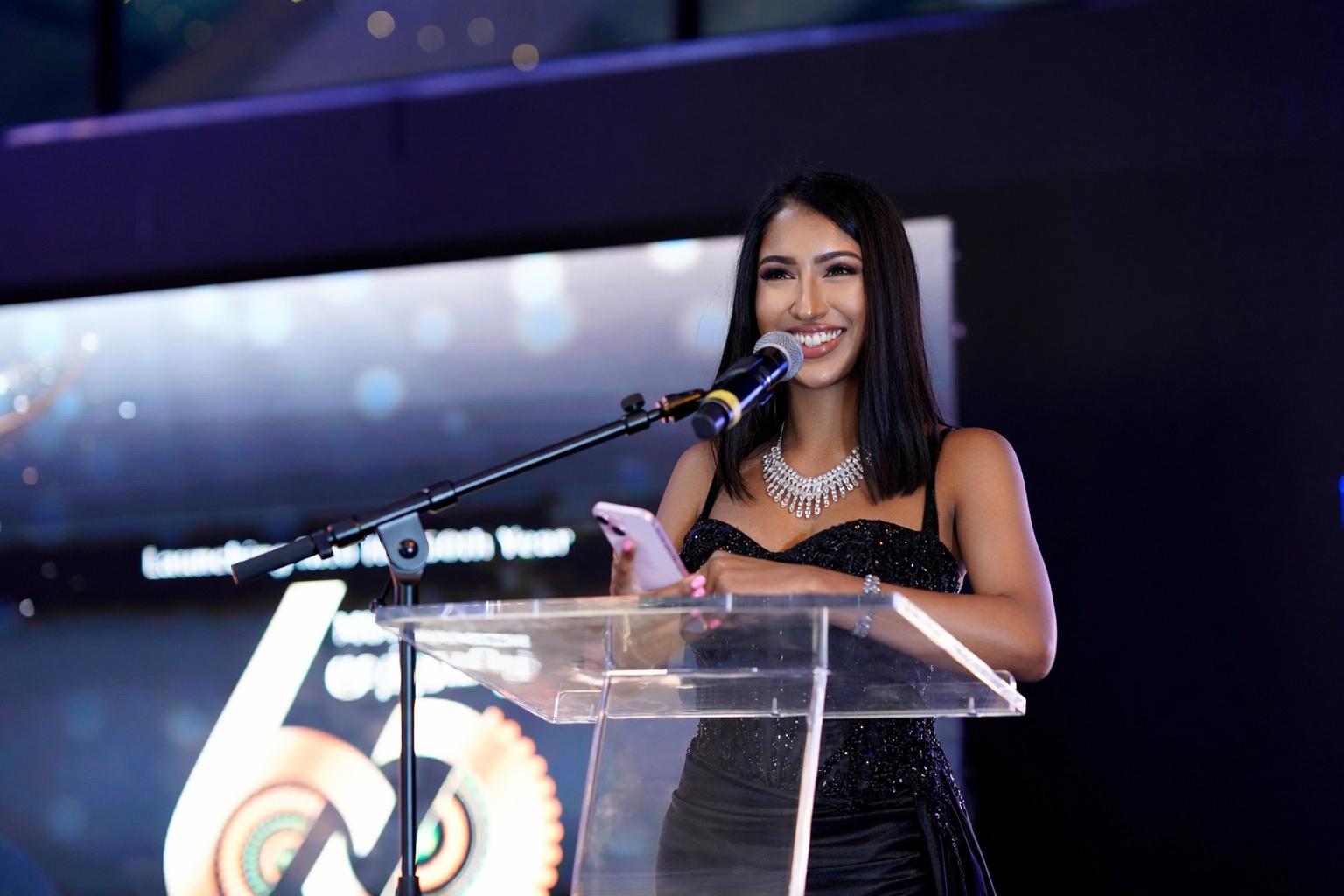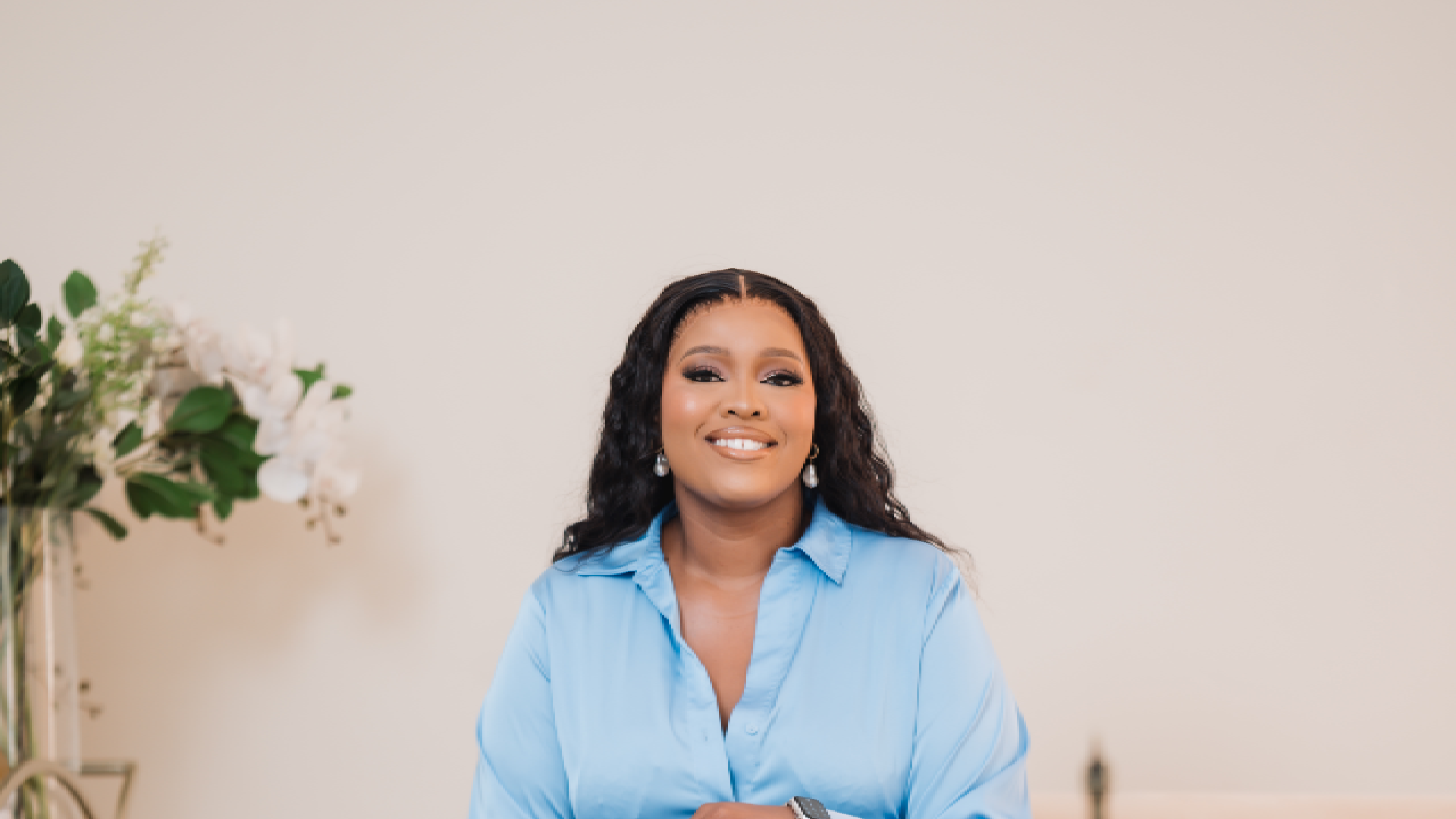
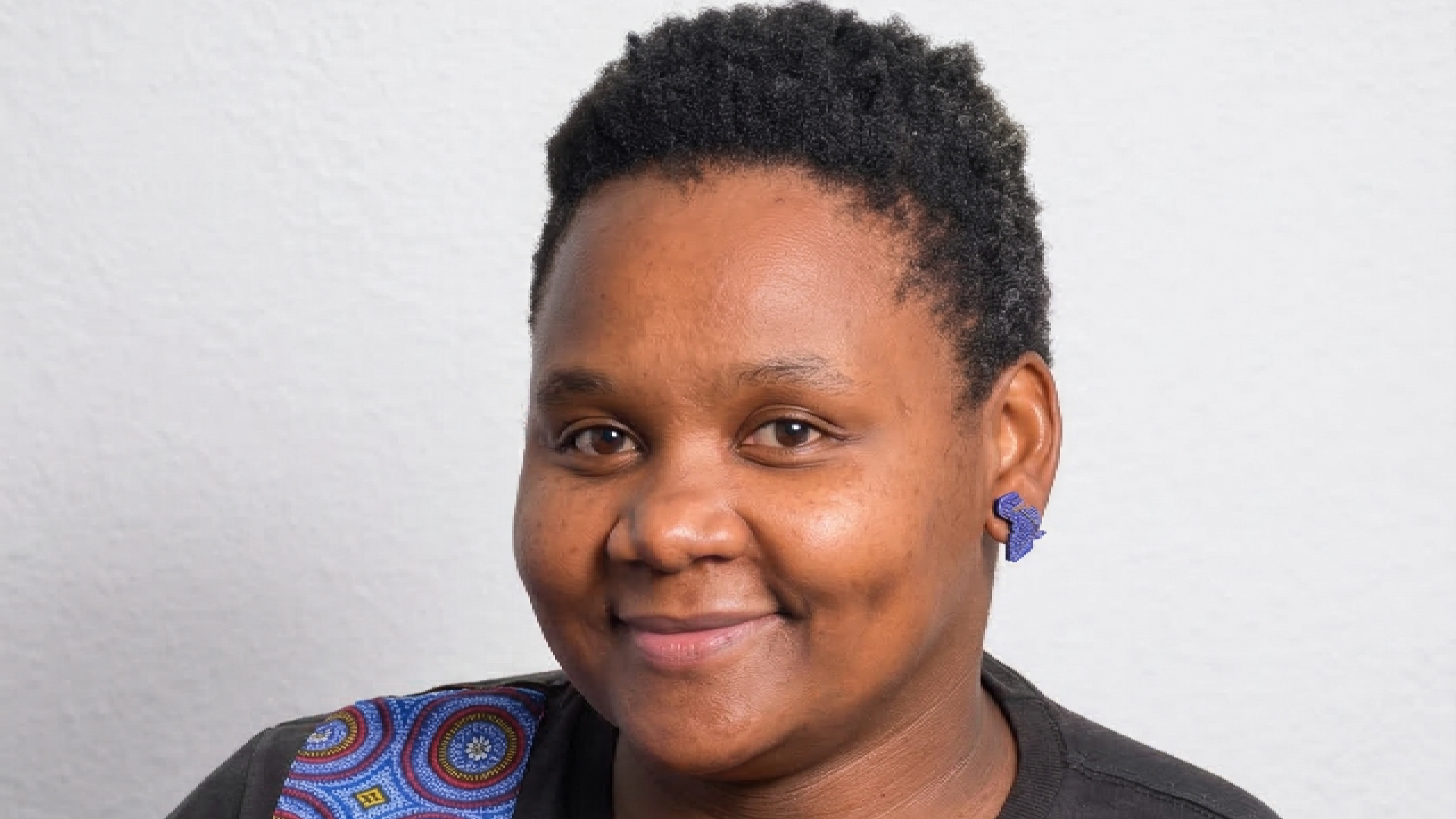
From a childhood in Butterworth to South Africa’s brewing industry, Apiwe Nxusani-Mawela has built her career at the intersection of science, entrepreneurship, and belief. In this conversation with The Good Business Journal, she reflects on the long road from SAB to Brewsters Craft to Tolokazi, what it meant to lose a brewery during Covid, and how she picked herself back up.
Stefan le Roux sat down with Apiwe to reflect on her early years in Butterworth and Johannesburg, and how a love for science led to the art of brewing.
The Good Business Journal: Can you tell us about how you grew up and where you went to school?
Apiwe:
I grew up in the Eastern Cape in a small town called Butterworth, so I’m a rural girl. I’m the second born out of three kids, and the first daughter born to my father, so we’ve always been quite close.
He was a teacher who later became an entrepreneur, so from about mid-secondary school I was already exposed to what it takes to run a business. He always encouraged all of us to explore entrepreneurship and supported the decisions we made, whether they turned out good or bad.
I did most of my primary schooling in the Eastern Cape and then moved to Johannesburg for high school. Looking back, that period really shaped a lot of who I am today.
Stefan: What about high school shaped you?
Apiwe:
I went to Queens High, near Eastgate Mall. I was not the cleverest in the class, but I was there. I enjoyed maths, science, and biology, and for a long time, my parents thought I would become a doctor.
The turning point came in Grade 11 when we went to an open day at the University of Johannesburg. A friend and I visited the science faculty, and there was a display with a can of beer, wine, cheese, and yoghurt while someone explained the science behind them. He was talking about biotechnology, applied science, and food technology, and how science could be used to create products people use in everyday life.
That was the moment things shifted for me. I had always imagined science leading to a white coat and a hospital setting, but suddenly I could see another path.
Stefan: How did that interest turn into brewing?
Apiwe:
I enrolled at Wits University to study microbiology and biotechnology, and then did postgraduate studies at the University of Pretoria. Before that, though, I had to convince my father that biotechnology was a real career path.
His first question was practical: where are you going to work, is there money in this, are there jobs? When I mentioned South African Breweries as a possible employer, that changed everything. From then on, SAB became one of my target employers.
I started applying for bursaries from first year. In first year I was declined. In second year I was declined. I only got the bursary in my final undergraduate year, and that funded my honours year. After that, I joined the company through its graduate recruitment programme.
Stefan: What was that first role like?
Apiwe:
I joined SAB on an 18-month contract as a brewing trainee. My job was to be trained to become a brewer. I also did my diploma in brewing through the company, with studies at the Institute of Brewing and Distilling in the UK, so from the beginning it was very focused: learn the craft, learn the science, become a brewer.
I was placed in a brewery in Polokwane, which at the time was the smallest brewery in the company in terms of volume and people. That meant hands-on exposure. I’ve climbed into tanks, scrubbed equipment, and done the physical work.
From there, I moved through the ranks, from team supervisor to brewer responsible for major brands, and later toward brew master responsibilities.
Stefan: When did you start thinking about building something of your own?
Apiwe:
The shift happened when I moved back to Johannesburg into a craft beer specialist role. That position gave me creative freedom. I was still inside a corporate structure, but I got to create products, respond to festivals, think about flavour, naming, and how a beer would be experienced by people.
I also started attending a lot of beer festivals and meeting the brewers who were driving the early craft beer movement in South Africa. Seeing what they were building made me realise I could do it too.
So in 2015, I made the jump.
Stefan: What did that next chapter look like?
Apiwe:
When I left SAB, I joined the team that started Brewhogs Microbrewery. My role there was as brewmaster, and I was a shareholder. At the same time, I started my own business, Brewsters Craft.
That came from a desire to give back. I had benefited from exposure, opportunity, and structured training, and I realised that a lot of people entering craft beer didn’t have the same technical foundation. Many of the brewers I met were self-taught. So Brewsters Craft began as a training and consulting business for the craft beer industry.
Then, around 2017, clients started asking a bigger question: once the recipes were ready, where would they actually produce? How would they bring these ideas to life?
That was the beginning of the brewery vision.
Stefan: What was the original vision for the brewery?
Apiwe:
I approached the IDC with a plan to set up a brewery that would also function as an incubation facility for other entrepreneurs. If someone wanted to launch their own beer brand, they could come to us for recipe development, production, packaging, and support with routes to market.
The second side of the model was skills development. We wanted to take in graduates and train them to become brewers, because South Africa doesn’t have universities that offer a brewing qualification.
The facility was accredited, we set up a lab for quality control and quality assurance, and on paper, it all made sense. The project was approved, and in 2018, we signed for R10 million in funding.
Then the delays started. Licensing was a mess. The equipment order was delayed. The brewery equipment finally arrived in South Africa in June 2019. We commissioned later that year, hired staff, and went into 2020 thinking this was the start of something major.
Then March 2020 happened.
Stefan: A very fateful March indeed. How did Covid impact you?
Apiwe:
It was devastating. In our industry, we were not allowed to produce or sell. I had equipment I couldn’t use, rent that still had to be paid, salaries that were due, and a loan that I was supposed to start repaying.
We were only about six months into production, so we had not yet ramped up the business the way we had planned. Debit orders started bouncing. It became a legal matter. Creditors were lining up. It got ugly.
I laugh about it now, but at the time it was very bad. It pushed me very close to depression. I had to let staff go, and at the same time the work still needed to be done, so as founder I had to carry even more of the load.
By June 2021, I reached a point where I knew I couldn’t keep doing it. It was not worth losing myself.
So I closed down.
Stefan: How do you recover from something like that?
Apiwe:
It was one of the toughest things that has ever happened to me.
There were moments that really brought it home. The sheriff of the court coming to the factory and pointing at things. Coming to the house because I had signed surety for the loans. Hearing your children tell you that someone had been there, pointing at the furniture and your bed. Those are the moments where it stops being a business story and becomes deeply personal.
I remember calling my dad, crying, not knowing what to do. He told me to come home. I drove to Butterworth and told him everything. Being home, being vulnerable, and being around people who have known you your whole life helped me.
On the drive back, I started asking myself: what is the worst that could happen? Maybe we lose the house. Maybe the equipment gets repossessed. Maybe my husband and I rent a back room somewhere. Maybe I go back to SAB and brush up my CV.
And when I got to that point, I realised that even the worst-case scenario was still survivable. There was still life after that. There was still a way to rebuild.
That gave me peace.
Stefan: What did rebuilding actually look like?
Apiwe:
When the original entity went into legal difficulty, I registered two separate businesses. One was for Tolokazi, the brand, and one was for the academy side so that I could continue the skills development work.
Tolokazi had always been intended as the house brand within the brewery, so I moved it into its own company. Since 2021, that’s what I’ve been focused on: building Tolokazi Beer and Cider into a stronger brand, while continuing to grow the academy as a training centre.
One of the big lessons from the first experience was that I did not yet have a strong enough consumer brand in the market during Covid. So part of the next chapter had to be building a real brand with staying power.
Over the past five years, that’s been the work. Tolokazi has grown into an established brand in South Africa, and we’ve also tested international markets. We had a three-year distribution deal in the UK, where the brand was well received.
At the same time, the academy moved into a new space, regained accreditation, and has continued training students to become brewers.
Stefan: What is the vision for Tolokazi?
Apiwe:
Tolokazi is positioned as a premium lifestyle brand that completes a South African and African experience.
I want it to be the beverage you associate with culture, celebration, music, tourism, and the richness of who we are. If somebody is visiting South Africa, I want this to feel like a product that belongs to that experience. And if you are South African, I want it to feel like something you are proud to serve.
That’s what we are building.
Stefan: What are your biggest challenges right now?
Apiwe:
Like many entrepreneurs, money is always part of the answer. But at this stage the bigger challenge is availability.
We’ve done a lot of the work of building awareness. People hear the story, they love the product, they connect with the brand, but then they ask where they can buy it tomorrow.
Currently, too many people in the chain need a margin, which means the product can become too expensive for wider retail. So a major focus has been finding investment to scale production capacity, lower pricing pressure, and make the product more available in the market.
That’s the next phase for us.
Stefan: What advice would you give to a young person who wants to follow a similar path?
Apiwe:
Believe in yourself, but more than that, believe in the vision.
If you know where you want to end up, then the roadblocks along the way become easier to interpret. You can decide whether they are permanent obstacles or lessons. You also become more intentional about who you allow to walk with you on that journey.
Allow yourself to make mistakes. Allow yourself to be vulnerable. Learn from what goes wrong. And don’t compare yourself to other people, because everyone is on their own path.
Be true to yourself, true to who you are, and true to the reason you started. You need to be adaptable, but you also need to remain grounded in your values and in the bigger destination.
Stefan: Given how often South Africa’s challenges dominate international headlines, what would you say to someone outside the country who is unsure about planning a trip or investing their lives here?
Apiwe:
We are resilient people. If you speak to entrepreneurs across this country, most of them will have stories of hardship, obstacles, setbacks, and having to overcome. That’s not unique to me. It’s part of what defines us.
And then there is the country itself: the food, the culture, the diversity, the natural beauty, the energy. South Africa has a bit of everything.
There’s no reason not to come.
And for those of us who live here, there’s no good enough reason to leave either.
Apiwe’s path through brewing has included opportunity, setback, and the difficult process of starting again after things fall apart. Today, the work around Tolokazi and Brewsters Academy reflects a lesson she discovered on the long drive back from Butterworth after the collapse of her first brewery. Once you accept the worst‑case scenario and realise life continues anyway, rebuilding becomes less about bravado and more about simply getting back to work.