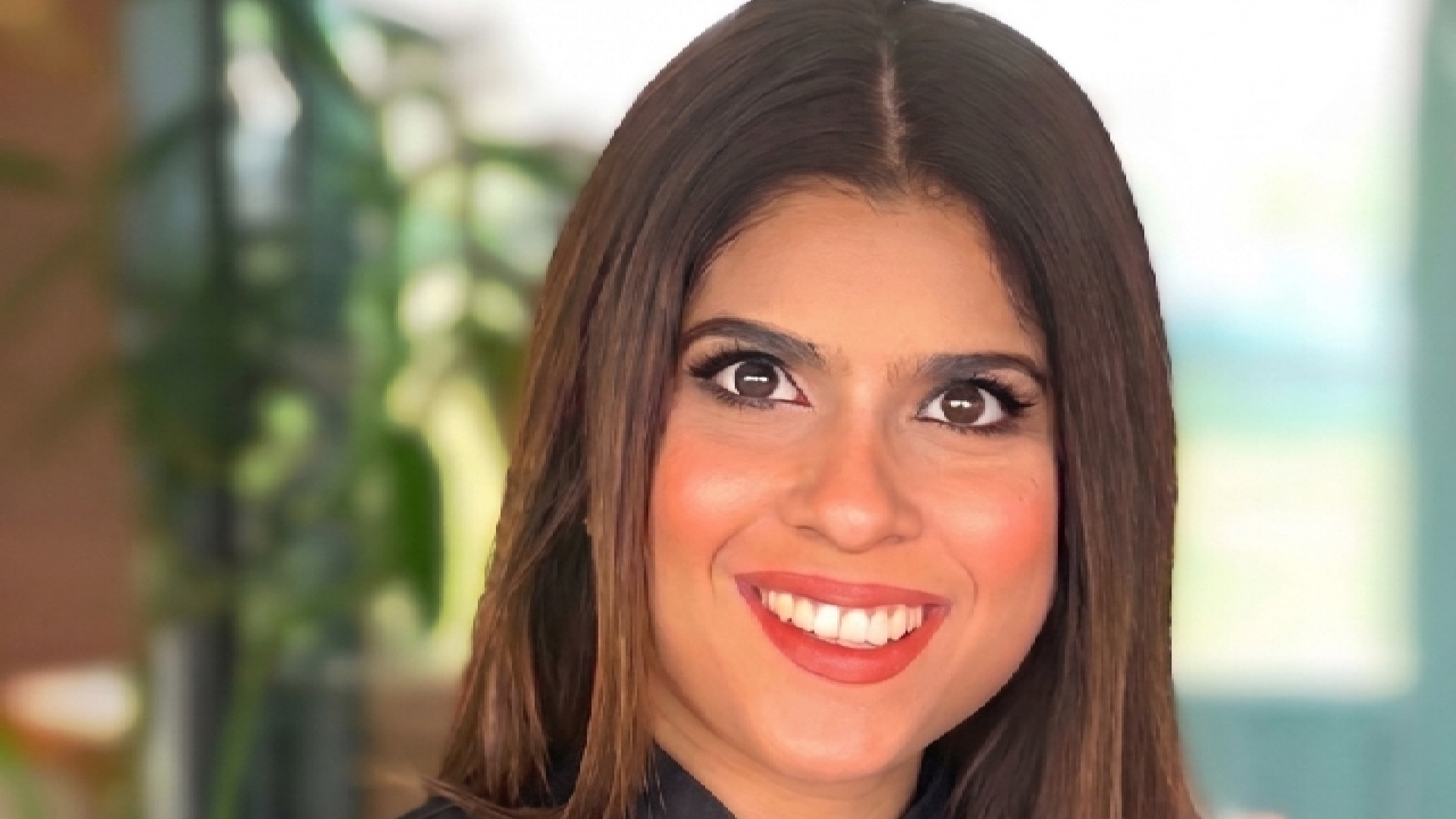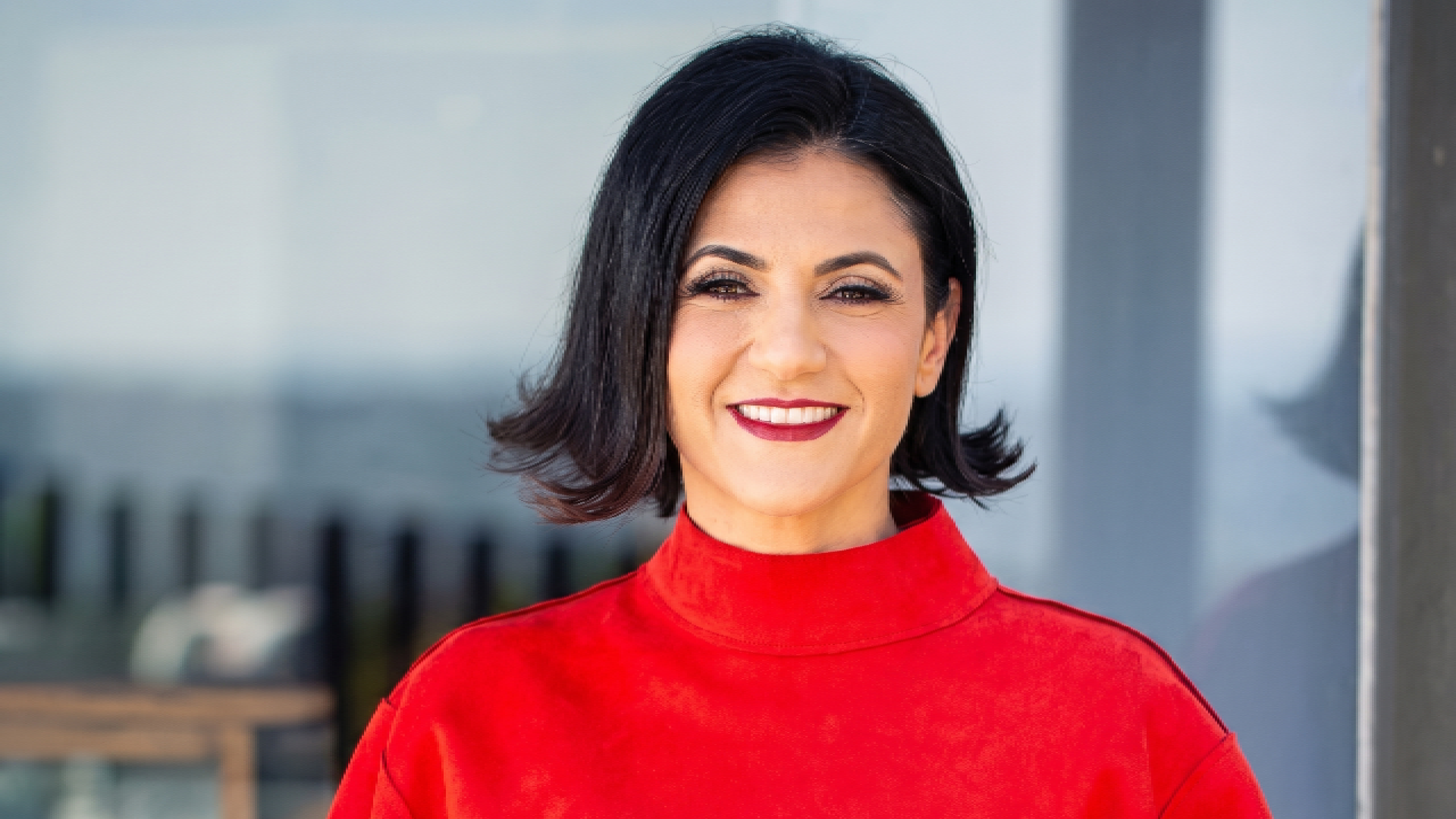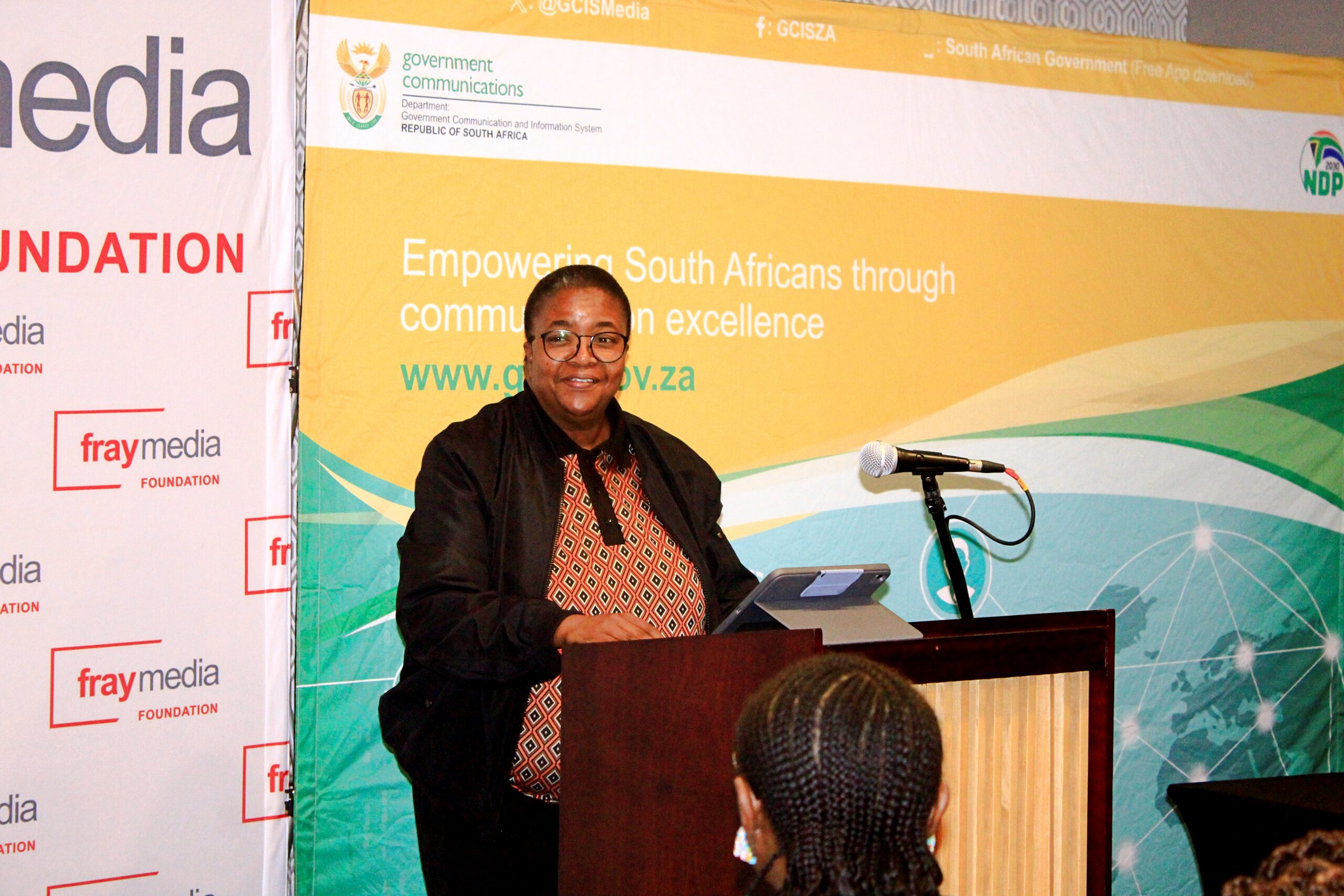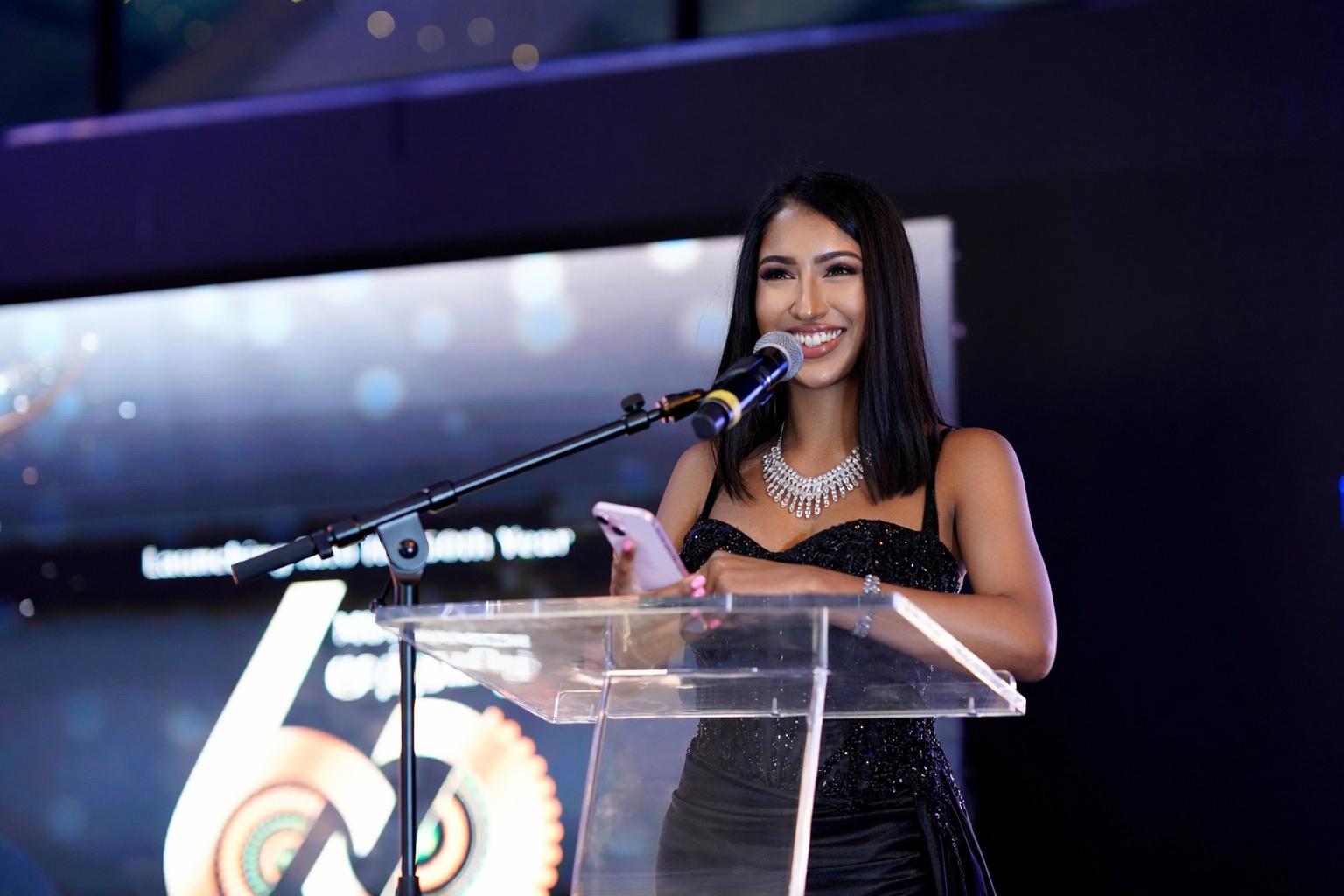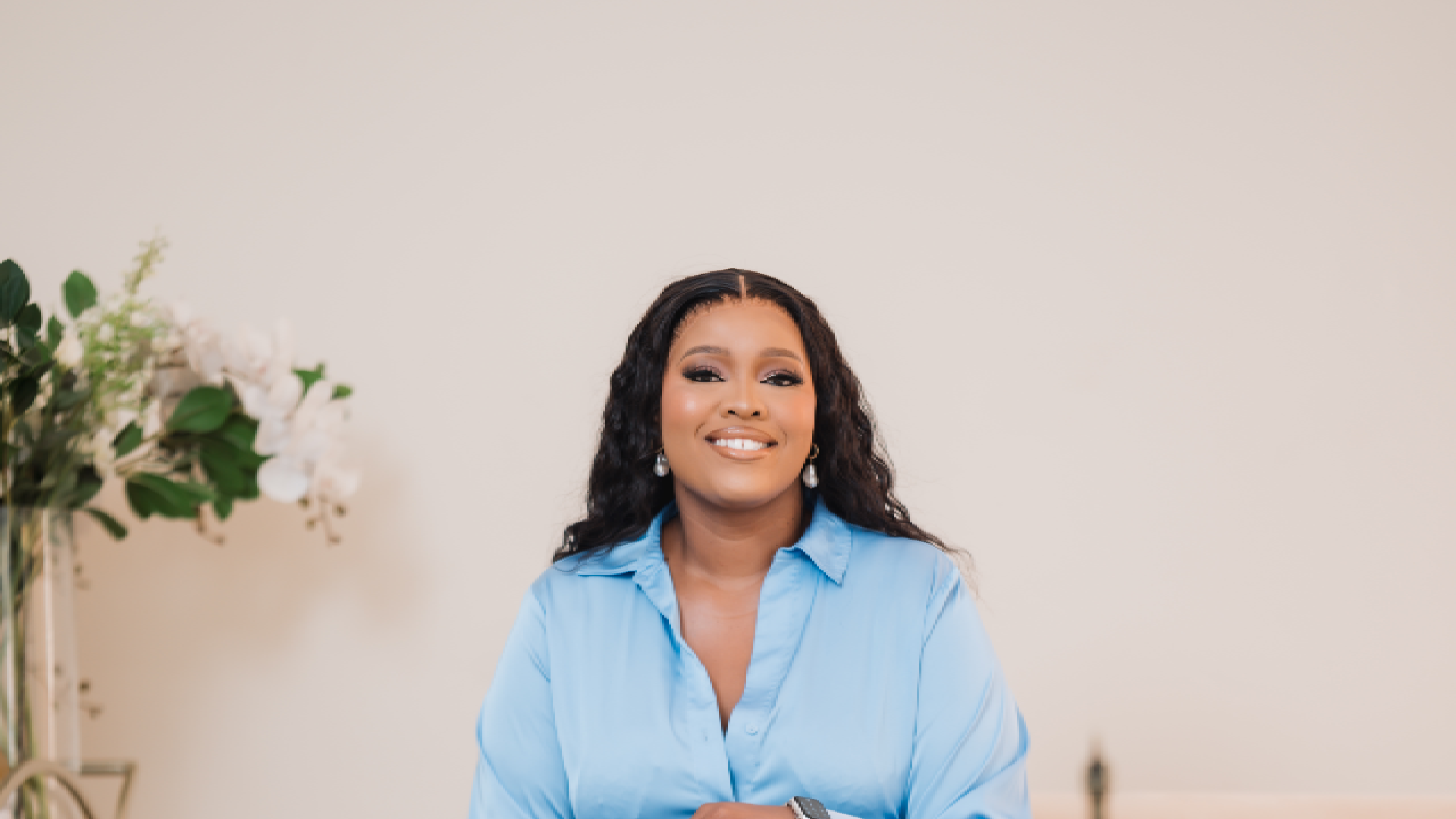
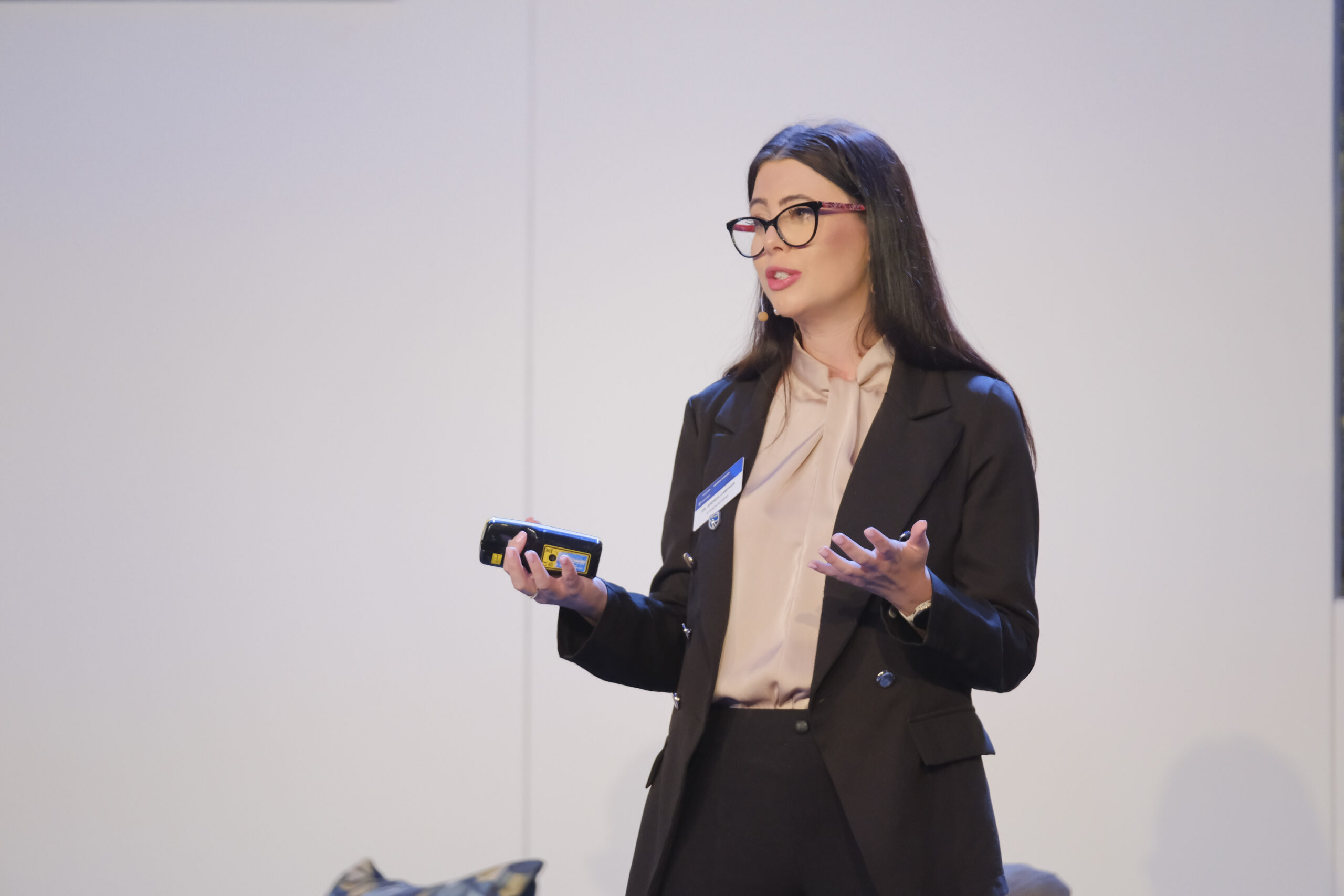
Dr Andrea Campher grew up in a part of South Africa where rain was never taken for granted. In a small farming town in the North West, she learned early that agriculture is not an abstract industry but the backbone of entire communities—when farmers struggle, everyone feels it. That lived understanding would quietly shape her worldview long before sustainability became a buzzword.
Today, Campher sits at the intersection of law, agriculture, finance, and policy as part of Standard Bank’s sustainability and agribusiness strategy team, working across multiple African markets. Her path there was anything but linear: corporate litigation in Sandton, crisis response during COVID, lobbying government at the height of national uncertainty, and helping design systems that allow farmers to survive—and thrive—under mounting economic and environmental pressure.
Stefan le Roux and Bryan Welker sat down with Andrea Campher to trace that journey—from praying for rain in a rural church to shaping sustainability strategy at one of Africa’s largest banks. What emerged was not a story about ideology or theory, but about resilience, pragmatism, and the quiet power of showing up prepared when opportunity knocks.
The Good Business Journal: Andrea, let’s start at the beginning. Where did you grow up, and how did those early years shape the work you do today?
Andrea:
I grew up in a very small farming town called Ottosdal in the North West. When I look back at my childhood, my love for agriculture, climate, and sustainability really stems from that environment. I remember Sundays going to church and praying for rain for the farmers. That stayed with me.
When a farmer struggles in a rural community, everyone struggles—the local grocer, the pharmacy, the schools, the old age homes. There’s a ripple effect across the entire community, and it keeps people locked in a poverty cycle. Rural areas also tend to lack environmental justice. Municipal water infrastructure is often under strain, and environmental protection in rural areas can be inconsistent.
All of that created a deep sense of environmental justice in me, even before I had language for it.
Bryan: You initially chose law. What drew you there?
Andrea:
Is it bad if I say I watched Suits and loved the pencil skirts and high heels?
But more seriously, law appealed to me because it felt like a tool—a way to understand systems, power, and how decisions actually get made. I attended high school in Potchefstroom and then studied law at North-West University, where I completed my LLB and later earned a master’s degree in environmental law and governance. After that, I did my articles, was admitted as an attorney, and worked in Sandton.
At the time, I wanted to experience everything corporate law had to offer. I litigated, worked on large matters, and made sure I understood that environment fully. But even while I was immersed in it, sitting in that concrete jungle, I kept thinking about agriculture and environmental justice.
Stefan: And that pull eventually took you to Agri SA?
Andrea:
Yes. I joined Agri SA as a Risk and Disaster Manager in early 2020. Then COVID hit.
I have never worked as hard as I did during that period. We were lobbying the government constantly to ensure the agricultural sector remained open during lockdown. Farmers had to keep producing — food security depends on it.
At the same time, those years were marked by one disaster after another. Severe droughts, flooding in KwaZulu-Natal, looting, the worst locust outbreaks in 30 years and wildfires in the Free State. Agriculture is the most vulnerable sector when it comes to extreme weather events, and everything seemed to converge at once.
Stefan: That’s when the Disaster Relief Foundation was formed.
Andrea:
Yes. I founded and chaired the Agri SA Disaster Relief Foundation. It was some of the most meaningful work I’ve ever done.
Government capacity was stretched and the private sector stepped in to play a complementary role. We mobilized funding to support farmers and farm workers directly, distributing drought relief and humanitarian aid.
One of the most powerful moments during COVID was when restaurants and food outlets were closed. Farmers were sitting with surplus produce, while communities were going hungry. We leveraged corporate social investment funding to buy produce from farmers and distribute it to communities where people had lost their jobs.
It helped farmers, fed communities, and allowed private capital to flow where it was needed most.
Bryan You’ve done a remarkable amount in a relatively short time. What advice would you give a young South African woman who feels like she doesn’t have a clear pathway?
Andrea:
I’ve learned that progress often starts with proximity. Put yourself in the room with people who are doing the work you aspire to do. Passion carries naturally when it’s genuine, and people respond to that.
Ask for a seat at the table—but do it gracefully. Put your hand up. Ask for opportunities. Don’t wait to be invited if you believe you can add value.
Be willing to do the work alongside your ambition. I completed my PhD part‑time while working full‑time because I could see gaps that needed addressing. I asked people for coffee, sought advice, used LinkedIn as a tool for learning, and showed up prepared for every conversation.
Look beyond your formal role. When you see a problem, don’t dismiss it because it falls outside your job description. Offer thoughtful input.
Trust creates opportunity. When you consistently show up prepared and willing, you place yourself in a position to step forward when it matters—sometimes unexpectedly. Preparation doesn’t guarantee opportunity, but opportunity almost always favors the prepared.
Stefan On the topic of being prepared, I believe you were thrown in the deep end quite spectacularly at one time?
Andrea:
Yes, that was one of those moments where preparation and circumstance collided. I was meant to attend a national event with our CEO at the time, where the agricultural sector was due to be represented in front of President Ramaphosa and several ministers. On the morning of the event, my CEO was admitted to the hospital.
I had already spent the week leading up to it gathering economic and industry insights and helping draft the speech. I got a call saying, essentially, you’ve written it—you need to deliver it. I had about two hours to make it my own.
It was incredibly stressful, but it reinforced something I believe deeply: you don’t rise to the occasion—you fall back on your preparation. I had done the work, I understood the sector, and I trusted myself enough to step forward. That experience taught me that you never know which moment will define you, but you can control how ready you are when it arrives.
Bryan: After Agri SA, you made another major pivot—into banking. Can you tell us more about that?
Andrea:
Yes, I joined Standard Bank in September 2023.
I want to be very honest—I didn’t have a finance background. I didn’t even fully understand how Excel spreadsheets worked when I arrived. But they saw my willingness to learn and my specialist knowledge in agriculture and sustainability.
Every time I changed careers, I had to start from scratch. Law to agriculture. Agriculture to finance. Each time was a massive shift.
What I do now is educate internally within Standard Bank—helping relationship managers understand climate-smart agriculture, carbon markets, sustainability, ESG—so that when they engage clients, they ask better questions.
Bryan: Many people assume banks only care about profit. How does sustainability fit into that equation?
Andrea:
Sustainability and profitability are not opposites.
If a client does well, the bank does well. We look at ways to reduce the cost of capital for clients who adopt sustainable practices—through green bonds, blended finance, and carbon markets.
On farms, it’s practical; renewable energy to reduce costs. Biodigesters that turn manure into biogas for cooking and fertilizer. Circular economy thinking.
We work across 15 African markets—from commercial farms in South Africa to one-hectare plots elsewhere on the continent. Sustainability must make sense in an African context. We don’t receive the government subsidies that the Global North does. In Africa, food security and job creation must often be facilitated by the private sector.
Stefan: What has been the most rewarding part of your work so far?
Andrea:
Seeing tangible impact.

I’ve stood on farms in Nigeria and Botswana where sustainable financing cut energy costs by more than 60%, doubled employment, and allowed farmers to scale. When one farmer succeeds, neighbors follow. It creates a ripple effect.
One story that stayed with me was about a wool farmer from an extremely remote, rural area in Lesotho who had committed to sustainable farming practices long before it became fashionable. Because his wool met stringent environmental and ethical standards, he was able to supply premium international brands—names he had only ever seen on television or in magazines.
Through that access to global markets, he received a higher price for his wool and he was eventually invited to speak at a conference in Los Angeles. It was the first time he had ever been on an airplane. Standing in a room full of international buyers, he was asked why sustainability mattered to him. His answer was simple: the additional income allowed him to send his daughter to university.
For me, that moment captures what sustainability truly means. It’s not abstract targets or ideology—it’s dignity for people in rural communities, real economic opportunity, and the ability to create a legacy that extends beyond one generation.
Stefan: Climate change is deeply politicized. How do you approach it without getting stuck in ideology?
Andrea:
I don’t try to convince people. You can’t change values through argument.
Instead, I focus on building resilience. Extreme weather has always existed—droughts, floods, cycles of scarcity and abundance—but what has changed is the financial reality people are operating within. Today, farmers and households are carrying far greater costs: servicing debt, paying for education, covering energy and transport, and absorbing rising input prices. Those pressures make it much harder to recover when a shock hits.
For me, resilience is about designing systems that can withstand that reality. It’s about helping people reduce their vulnerability before a crisis arrives—lowering energy costs, improving efficiency, diversifying income, and strengthening the fundamentals of how a business or household operates.
When you do that, sustainability stops being an abstract debate and becomes a practical way of staying afloat, protecting livelihoods, and creating stability in an increasingly unpredictable world. Sustainability is about end-to-end systems—reducing vulnerability, improving efficiency, and creating stability.
Charity starts at home. Look at your own energy use, waste, and consumption. Support sustainable industries. Simple decisions like choosing sustainably sourced cotton can make an impact. Practical action matters more than protest.
Bryan: Looking ahead—where do you see yourself in the next five to ten years?
Andrea:
I’m very optimistic.
Right now, I’m focused on embedding sustainability into the core strategy of the bank—rethinking agriculture on the continent, incentivizing good practice, and ensuring African farmers can compete globally.
Longer term, I would love to influence policy and governance more directly. I have a deep need to help people—sincerely, not for personal gain. Leadership is about direction, clarity, and service.
For now, I’m exactly where I need to be.
Stefan: We ask everyone this: if you had one value proposition to give a foreign investor about South Africa, what would it be?
Andrea:
Ubuntu.
It sounds cliché, but it’s real. The interconnectedness of people. Despite our challenges, we stand together. We want our country to grow.
South Africa is investable because of its people—their resilience, their values, their ability to work collectively toward a common goal. That spirit is our greatest asset.
As Andrea Campher’s journey shows, meaningful progress rarely follows a straight line. It is built through curiosity, preparation, and a willingness to step into complexity rather than retreat from it. From praying for rain in a small farming town to shaping sustainability strategy across Africa, her work is grounded in a simple but powerful idea: real change happens when systems are designed around people.
In a world quick to debate ideology, Campher’s approach is practical—focused on resilience, dignity, and creating conditions where communities can endure, adapt, and ultimately thrive.
Every week, The GBJ editorial team sits down with some of South Africa’s best. With a tenacity and spirit that can create success out of nothing more than a glimmer of hope, we believe South African businesses deserve a platform to tell their stories.
Born from WDR Aspen, The GBJ wants to ask you: how are you telling your story? Reach out and let us help you with your voice.