
Bryan:
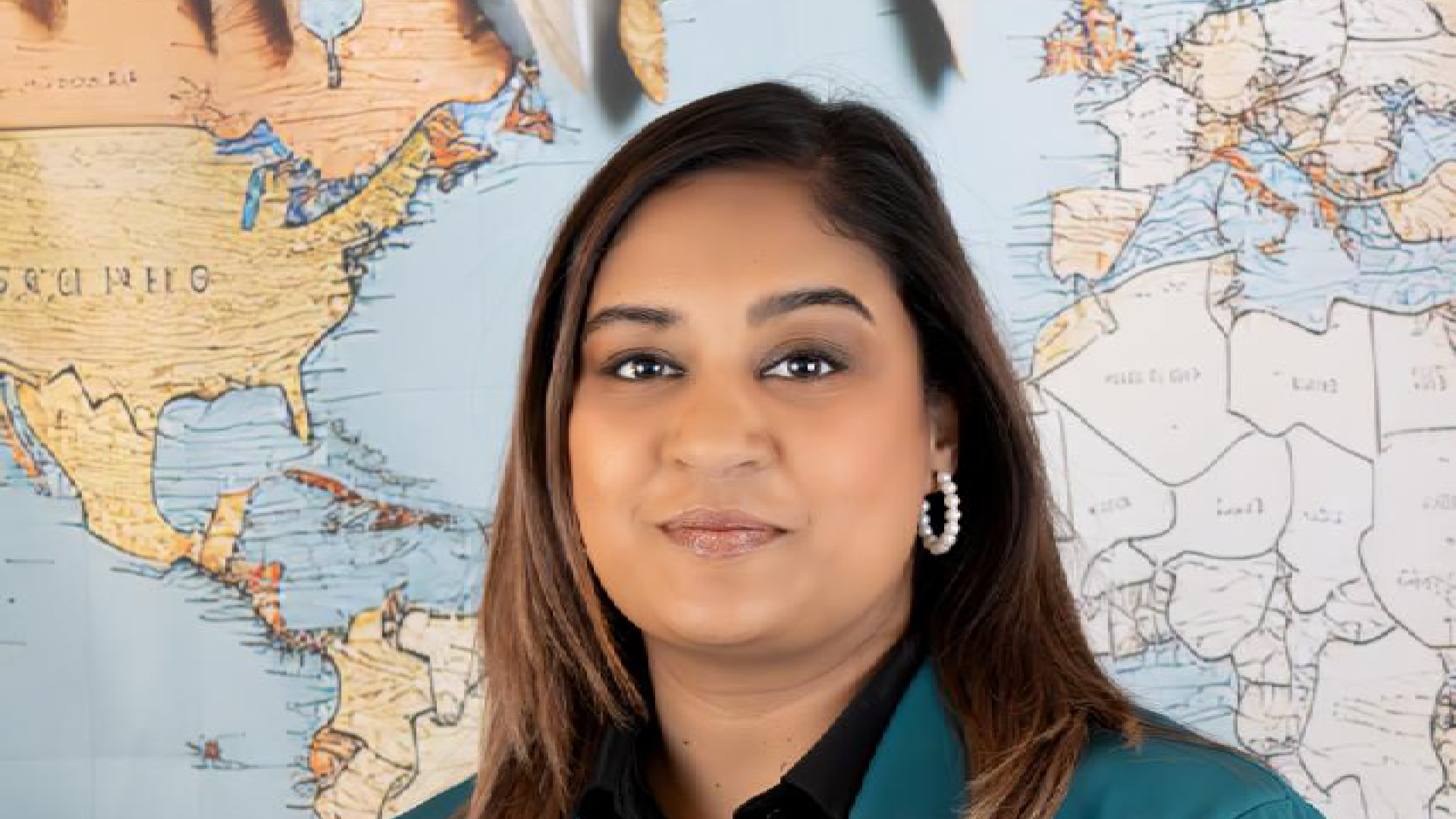
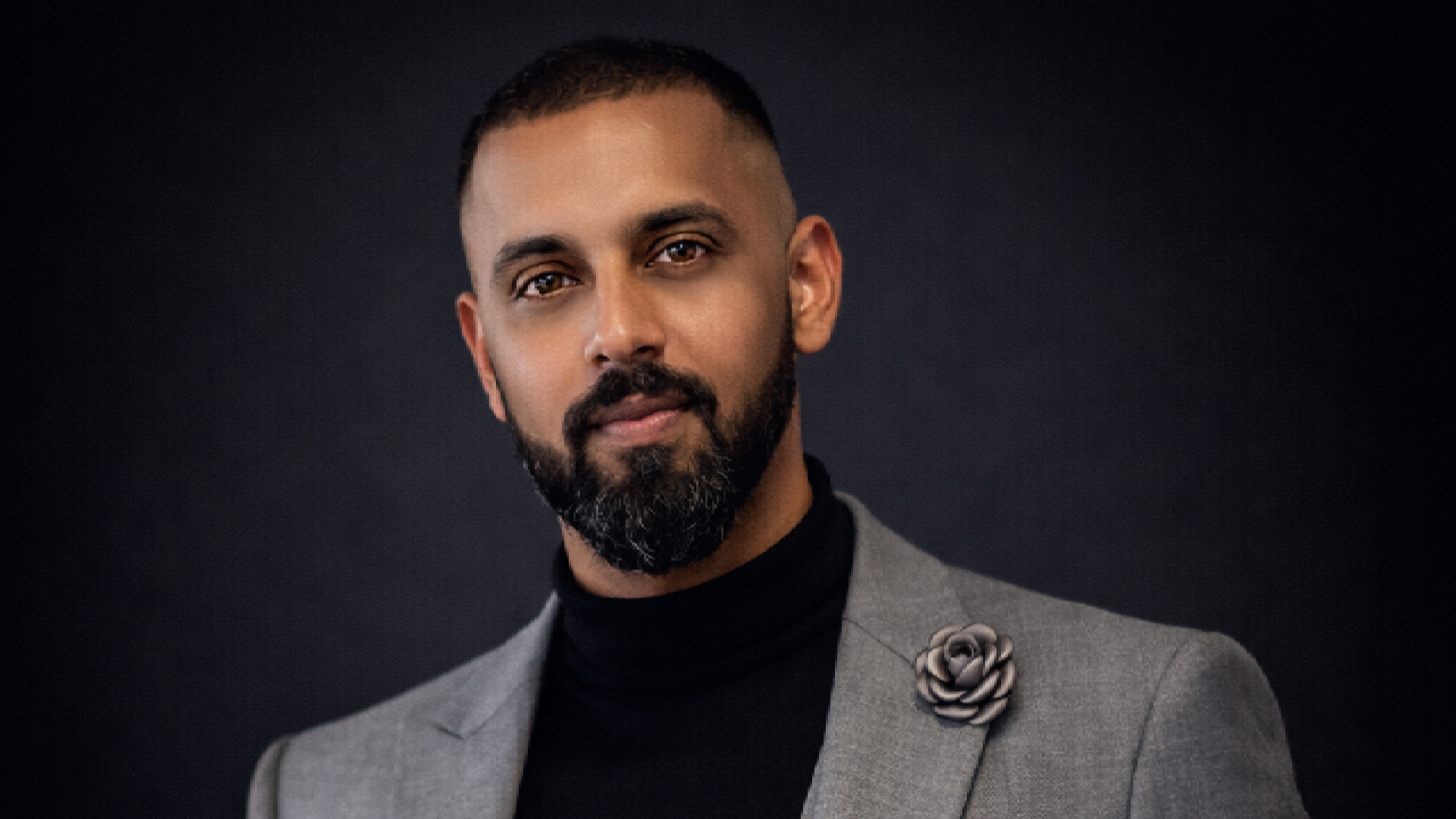
Kume Luvhani and Peter Rix met while working together in banking, where their roles placed them in close collaboration. Luvhani came from a finance and strategy background, Rix from deep technical leadership inside South Africa’s largest banks. What emerged was a partnership grounded in shared values—foresight, trust, and a drive to stay ahead of the curve.
Vaxowave became the embodiment of those shared values—designed to stay small, nimble, and responsive in a market where rapid shifts can render even well‑established business models obsolete.
At its core, Vaxowave works with large, regulated organisations that need to modernize their technology environments without compromising security, cost control, or operational resilience.
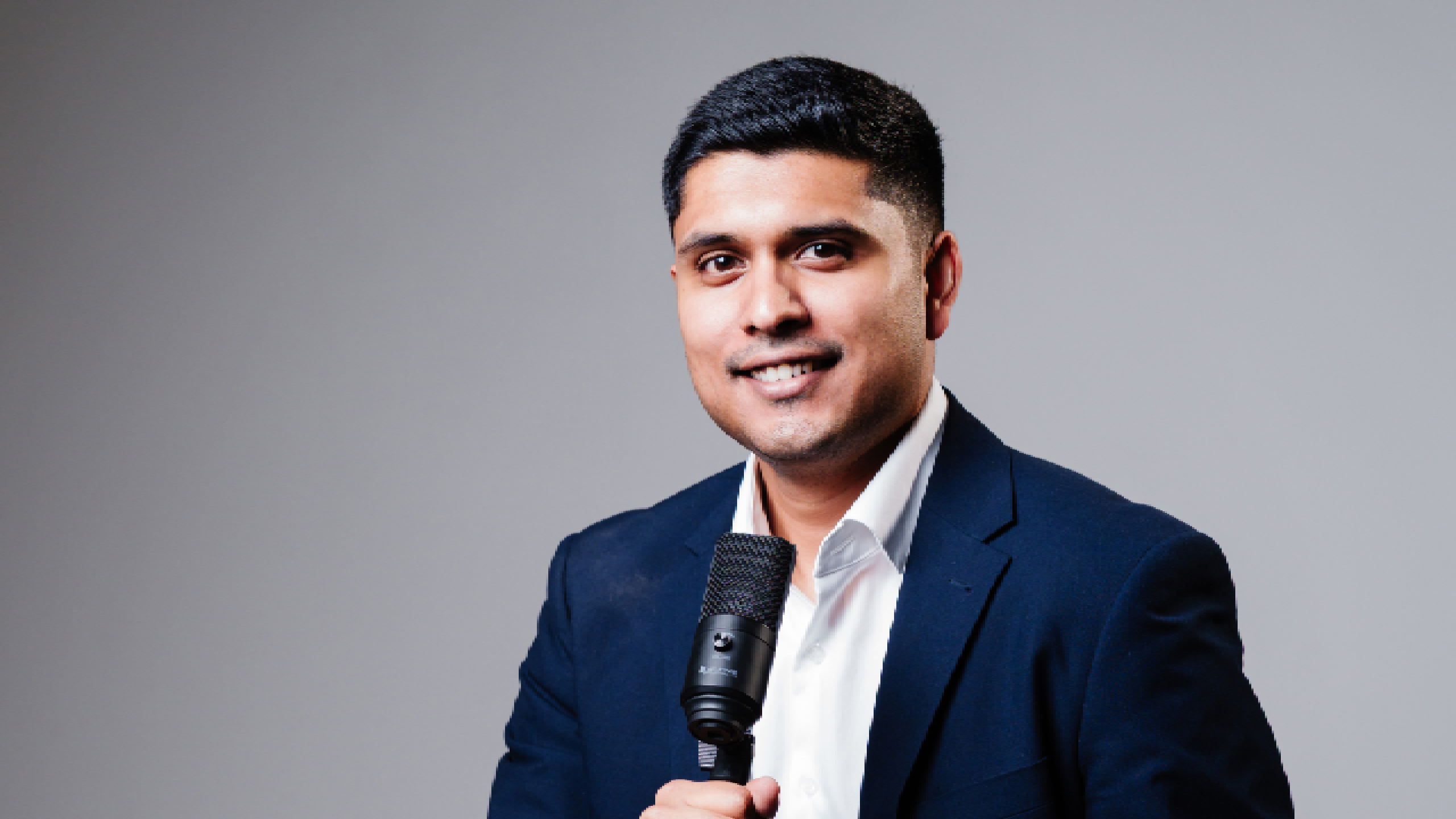
Bryan Welker and Stefan le Roux sat down with the founders of Vaxowave to discuss how that partnership took shape, how foresight informed key decisions, and how long-term thinking has shaped the business through each phase of its evolution.
The Good Business Journal: Where did your journeys begin?
Kume:
I am a qualified chartered management accountant, but my entrepreneurial spirit grew from working in my family’s business from a young age. I was a bit of a rebel so I didn’t want the safety net of working in the family business forever, so I went into banking to prove myself outside that construct.
Peter:
I studied electronic engineering and later did a Bachelor of Commerce part-time in business and quantitative management. Early in my career, I worked at Internet Solutions during the early days of the internet in South Africa. We were literally fighting to get connectivity into the country.
Internet Solutions was later acquired by Dimension Data, and I stayed through that transition. After the dot-com crash, I moved into banking.
Bryan: And where did those journeys converge?
Kume:
We met in 2014 when I became Peter’s finance business partner, at a point when he was already operating at the most senior levels of banking technology leadership. Over time, I moved into being his business manager, and later into the role of head of strategy for technology.
I had very little background in tech. Most of what I know I learned on the job, working closely with Peter and other mentors.
Peter:
When Kume and I started working together, I realised I found someone I could absolutely trust, and I think that’s crucial. We worked quite closely over that period, and we agreed to step out and start something together.
Stefan: Can you give us a high level overview of what you provide at Vaxowave?
Kume:
At a high level, the work we do focuses on helping large organisations design, move to, and run modern cloud environments—often in complex, regulated industries like banking. Today, that work spans cloud transformation, security and cost governance, and increasingly the responsible adoption of AI—particularly in environments where regulatory pressure and operational risk are high.
What we realised early was that very few people understood what it actually meant to move to the cloud. Being early gave us an entry point, but we were clear that it wouldn’t set us apart forever. Over time, the rest of the market would catch up, so we had to plan for what came next.
The vision evolved into building a boutique consultancy that helps large organisations navigate change—starting with cloud, but extending into whatever comes next. That meant staying ahead of the market, partnering with specialists, and structuring the business in a way that allows us to move quickly.
We never wanted to be a thousand-person company. Big organisations struggle to pivot. We wanted to stay fast, nimble, and always ahead of the market. That’s what our clients expect from us.
Peter:
And precisely to Kume’s point, we made very deliberate structural choices from the start. The worst thing for a company is when you have staff sitting on the bench not making money so we built a small core of very senior people and partnered extensively. We pull in specialists when needed—whether that’s sustainability, payments, or specific industry expertise. It means we punch far above our weight.
We also chose not to have offices, and this was pre-COVID. Our view was simple: spend time with clients, not buildings. When COVID hit, our model already worked. We didn’t have big overheads or panic transitions. The tools eventually caught up with us.
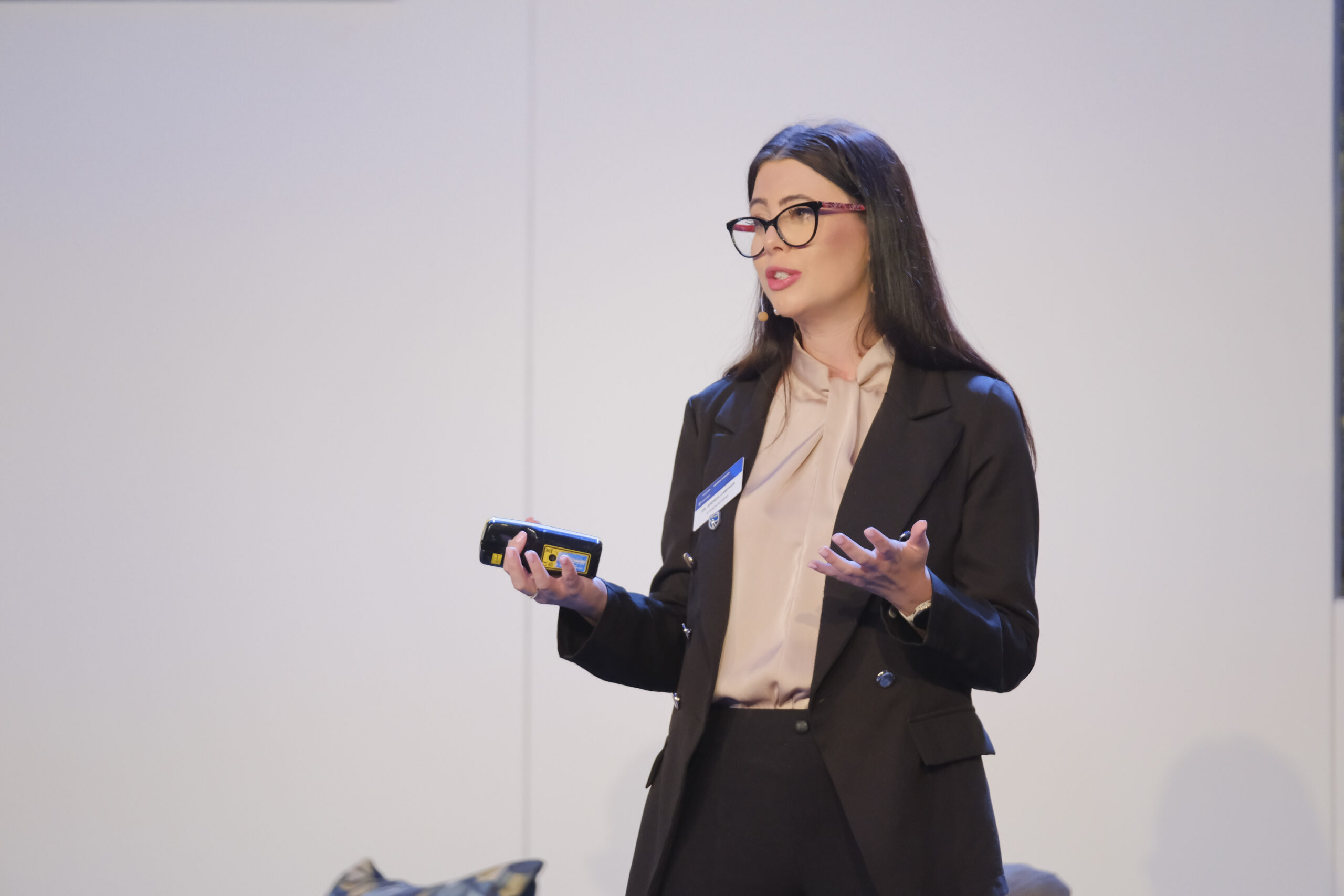
The next challenge for most enterprises isn’t getting to the cloud anymore, but controlling the complexity that comes with scale—AI sprawl, rising costs, fragmented security models, and decisions being made faster than governance can keep up.
Stefan: What is your philosophy around hiring, especially relating to graduates?
Peter:
Many of the senior people who join us are ex-CIOs or executives who’ve had enough of corporate life. They want something different—more autonomy, fewer politics, more meaning. They trust us because many of them have worked with us before.
As a result, we have a depth of experience that’s unusual for a company our size. That allows us to operate at the highest levels of our clients’ organisations.
On the graduate side, we invest heavily. We’ve taken people who didn’t necessarily have opportunities and supported them, mentored them, and grown them alongside very senior leaders.
Stefan: Can you tell which quality is most correlated with success among the graduates you’ve taken on?
Peter:
The differentiator is hunger. You can’t teach hunger.
Kume:
The ones who make it are the ones who want success more than I want it for them. Technology isn’t linear. A lot of learning is self-driven. People need to be willing to put in extra hours and push themselves.
I use myself as an example. Early in my career, I’d get to the office at 6am and leave at 6:30pm. I didn’t know technology, so I had to learn faster than everyone else. I’d ask CIOs if I could help them with anything—anything—just to be exposed.
I made director at the bank at 29. That didn’t happen because I stuck to an “8am to 4pm schedule.”
Bryan: How do you think about work, family, and balance?
Kume:
For me, balance is about boundaries and communication—but it’s not static. Some weeks I work less. Some weeks there’s pressure and I work more.
I honestly think your partner makes or breaks you. As we’re doing this interview, my husband is looking after the baby because I asked him to. Sometimes he needs support, sometimes I do. That’s real life.
I married later, and it was the best decision I made. I was mature enough to know what my non-negotiables were. My career matters, and my partner supports that.
Peter:
For me, balance isn’t about having the freedom to do nothing, it’s about doing what you love. Years ago, I was very unhealthy—I couldn’t run a kilometre without almost dying, and I was working relentlessly without looking after myself. That forced a change. Over time, I built a disciplined exercise routine, and today I do triathlons, marathons, and Ironman events.
I exercise every day because it clears my head, releases pressure, and gives me perspective. We built this company so we could do the things we enjoy and avoid the things we don’t. That’s our balance.
Stefan: Peter, if you could say something to your younger self to precipitate that change sooner, what would it be?
Peter:
People have asked me that question many times. If you’d asked my younger self, he probably wouldn’t have listened. I worked extremely hard, and while I would have liked better health earlier, that focus gave me the foundation I have today in finance, technology, and how to run large, complex organisations. It was a phase of life, and without it, I don’t think I’d be where I am today.
Kume:
I don’t think you should skip stages in life. When I was younger, I was a bit of a party animal. I wasn’t irresponsible, but I lived my life, and a lot of the relationships I built back then are still with me today, and I value them immensely.
I think it’s important to get those things out of your system. It helps with maturity later on. You shouldn’t knock one phase over another—just live responsibly and keep the important things important.

Bryan: What would you say to an 18-year-old deciding what to study today?
Peter:
It’s incredibly difficult to answer because things are changing so fast. AI, cloud, quantum computing—everything is shifting.
My advice is adaptability. Wherever there’s change, there’s opportunity. Don’t run from it. Learn how to learn.
My eldest son is a copywriter. AI affects his industry directly—but it also gives him access to tools others don’t have. The people who will lose are the ones who don’t adapt.
Kume:
I always say: follow your passion, but be willing to merge it with technology. We will never live in a world without human jobs. Technology is an enabler, not an enemy.
You don’t need a tech degree to be effective with AI. But if you don’t use it, you’ll get left behind.
Bryan: How do you define leadership?
Kume:
I believe leadership is a calling. You can teach frameworks, but under pressure people revert to who they truly are. Leaders are born, then cultivated.
I don’t see myself as a boss. I listen, I’m stubborn when I disagree, and I want to know people personally. Leadership is how you carry yourself, not what you announce.
Peter:
Leadership is also about putting people into roles they love—doing things that make their eyes shine.
I also think leadership is in the eye of the beholder. Not everyone will follow you, and that’s okay. The goal is alignment: right people, right roles, right energy.
Stefan: South Africa has one of the highest SME failure rates in the world, do you have any insight as to why that is?
Kume:
Admin is massively underestimated. People think running a business is just about being good at your technical skill, and it’s not. SARS, payroll, compliance, cash flow—those things matter, and they don’t go away just because you’re good at what you do.
We partnered with many SMEs early on, particularly as execution partners, and what we saw again and again was a mismatch between technical ability and commercial discipline. Registering a company is easy, but running one is not. People underestimated the responsibility that comes with building something sustainable, and without that hunger and discipline, the business simply couldn’t hold.
Peter:
Too many people operate transaction by transaction, instead of thinking in terms of relationships that last. If you don’t approach your clients with a “client forever” mindset, the business will eventually catch up with you.
South Africa is a hard place to run a business. You can’t survive on passion alone. You need to be well-rounded, disciplined, and prepared for complexity—because running a business here demands far more than just a good idea.
Stefan: South Africa is often defined by its constraints, like loadshedding and other failing infrastructure. How do you see the path forward in spite of those factors?
Peter:
Change is the defining feature of South Africa—and that change creates opportunity. From electricity constraints to transformation and the evolution of the banking sector, the country is constantly being reshaped. For those willing to engage thoughtfully, understand the landscape, and partner with the right people, those pressures become advantages rather than obstacles.
Kume:
If each of us focuses on improving the lives of the people we can directly influence—our teams, their families, the communities closest to us—we don’t need to wait for government to fix everything. That collective responsibility is how a better country is actually built.
Bryan:
In a country and an industry defined by constant change, Kume Luvhani and Peter Rix’s partnership reflects a commitment to foresight, trust, and long-term thinking. It has shaped not only the business they built, but how they continue to move with change rather than resist it. Technology will keep changing, but the real advantage lies in knowing which decisions are irreversible and having the discipline to make them well.
Every week, The GBJ editorial team sits down with some of South Africa’s best. With a tenacity and spirit that can create success out of nothing more than a glimmer of hope, we believe South African businesses deserve a platform to tell their stories.
Born from WDR Aspen, The GBJ wants to ask you: how are you telling your story? Reach out and let us help you with your voice.